
 English

























































































































































































































































































































































































































































































































































































































































































































































































































































































































































































































































































































































































































































































































































































































































































































































































































Chikungunya Cases Rise; PAHO Urges Preparedness
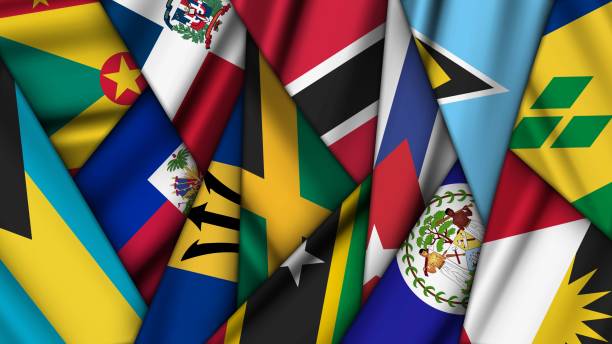
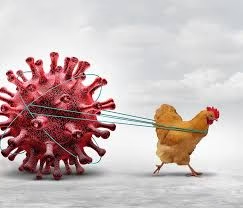
Chikungunya cases are rising across the Americas. As a result, PAHO has issued an epidemiological alert.
Since late 2025, several countries have reported steady increases. Moreover, some areas now show local transmission again. These areas had not seen the virus for years. Therefore, health officials urge quick action.
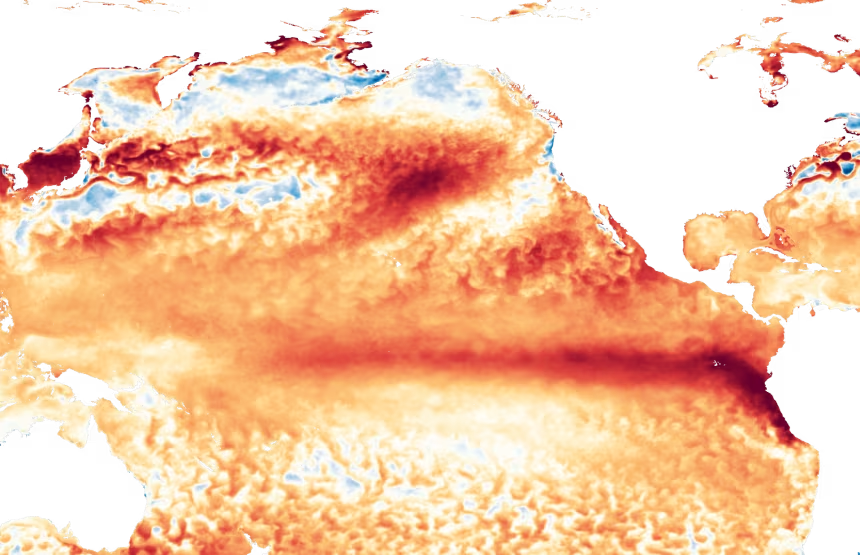
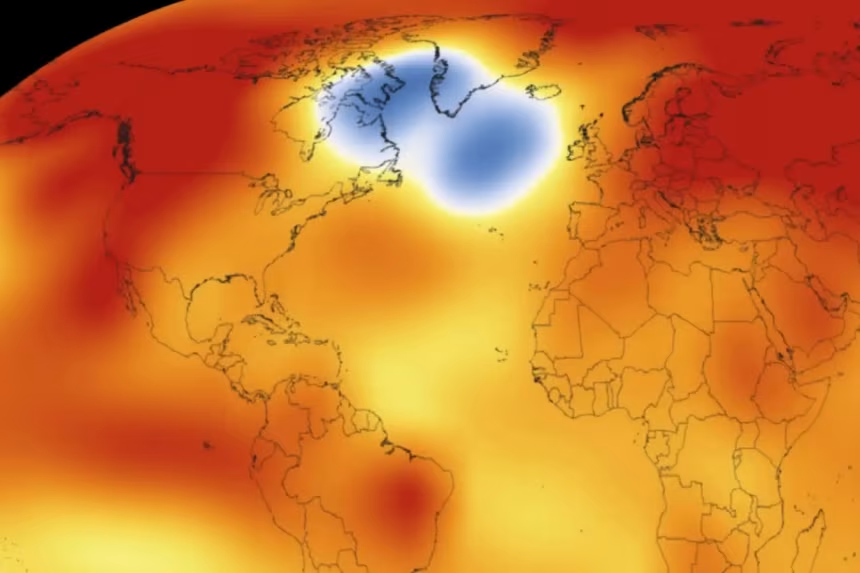
According to PAHO, this trend fits patterns in regions with Aedes aegypti mosquitoes. However, extreme heat also fuels mosquito breeding. In addition, the virus persists in endemic zones. The Asian and ECSA genotypes continue to circulate. Thus, experts stress strong surveillance and fast response.
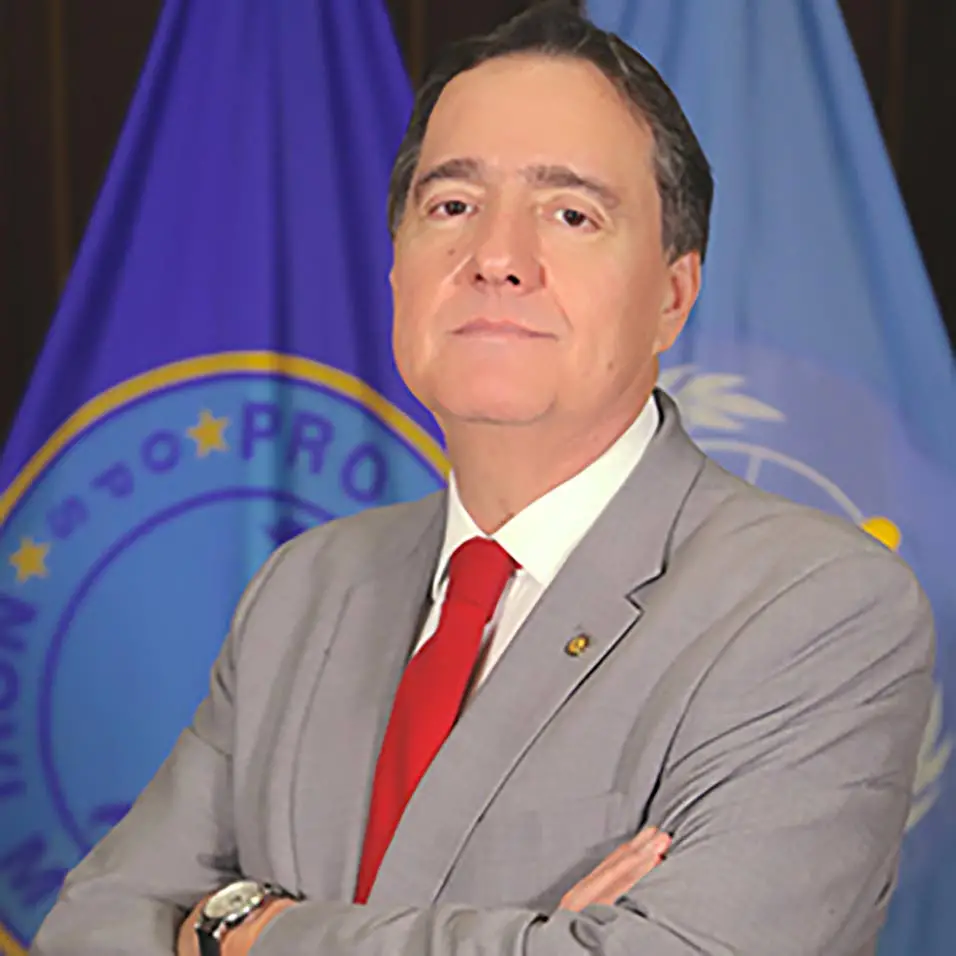
“Chikungunya spread across the Americas in 2013,” said Sylvain Aldighieri of PAHO. After years of low levels, cases now surge again. He noted sharp increases in the Intertropical Zone. Therefore, PAHO wants health workers ready for outbreaks. It also urges public awareness campaigns.
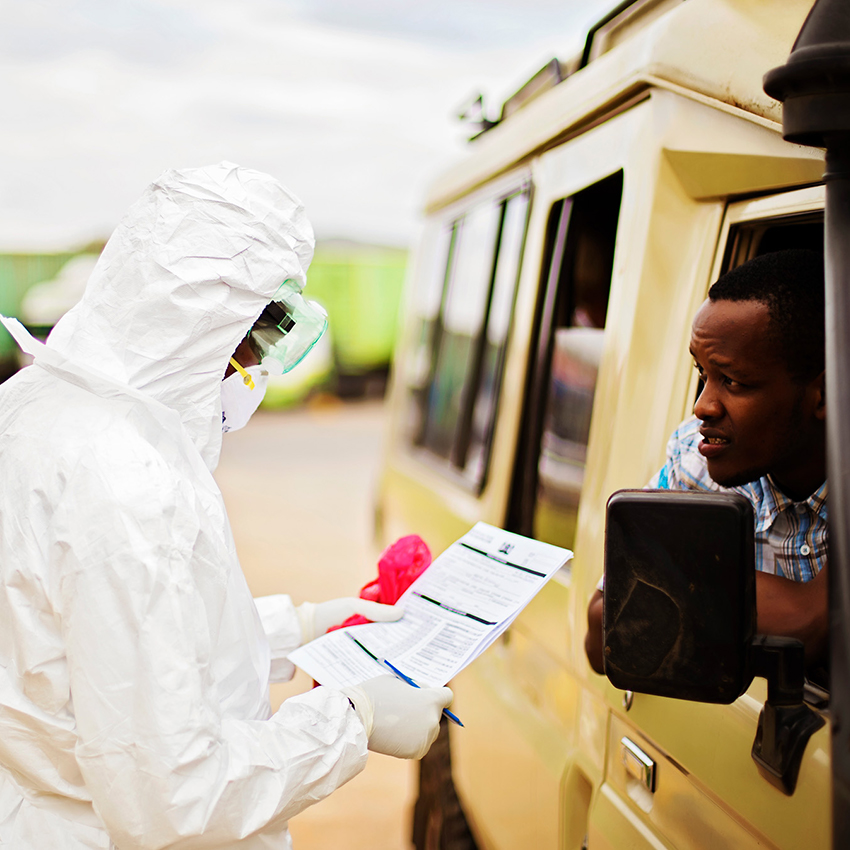
PAHO advises countries to boost laboratory and epidemiological surveillance. Early detection can limit outbreaks. At the same time, doctors should ensure proper care. Vulnerable groups face higher risks. These include pregnant women, infants under one, older adults, and people with health conditions.
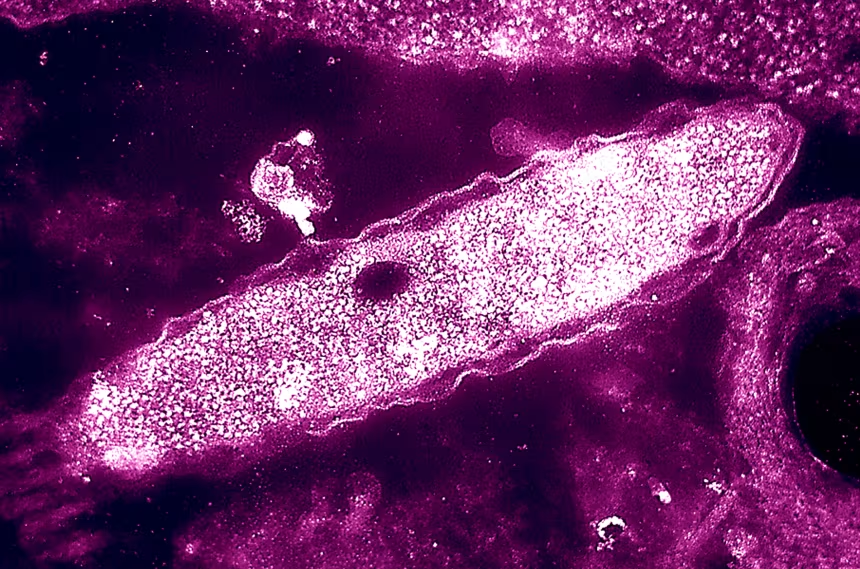
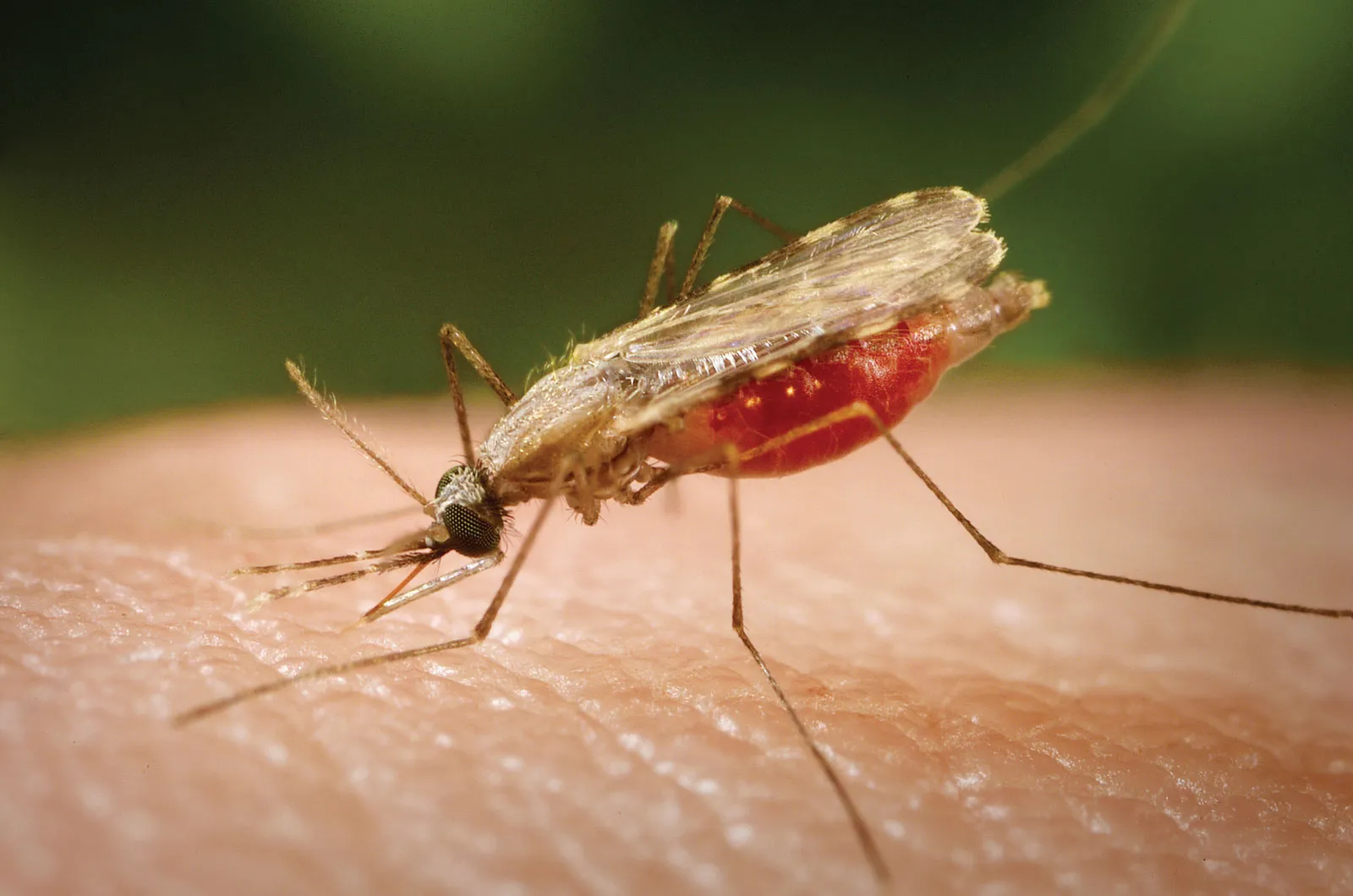
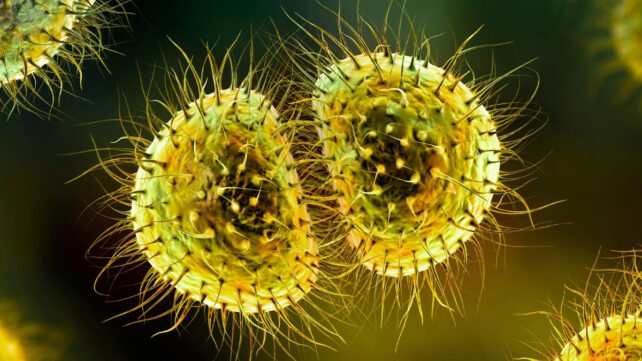
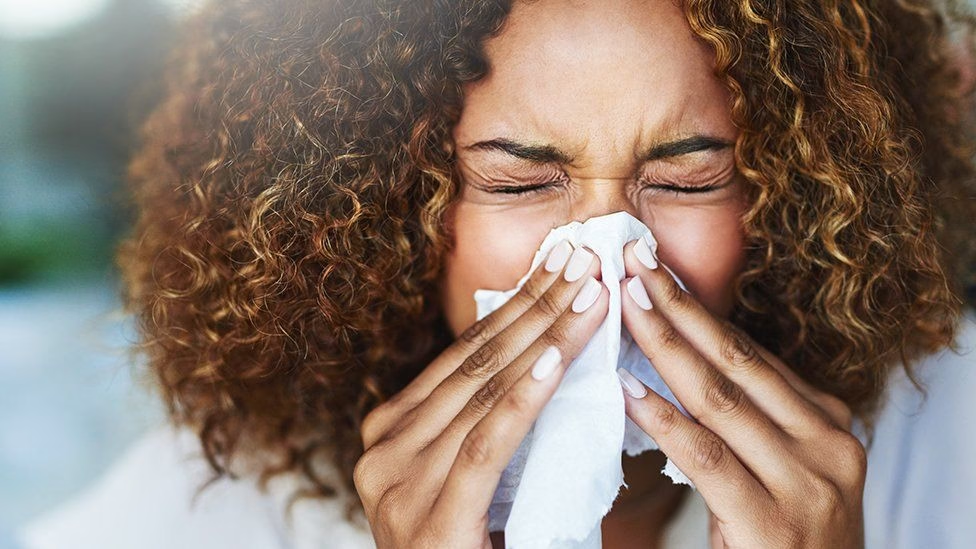
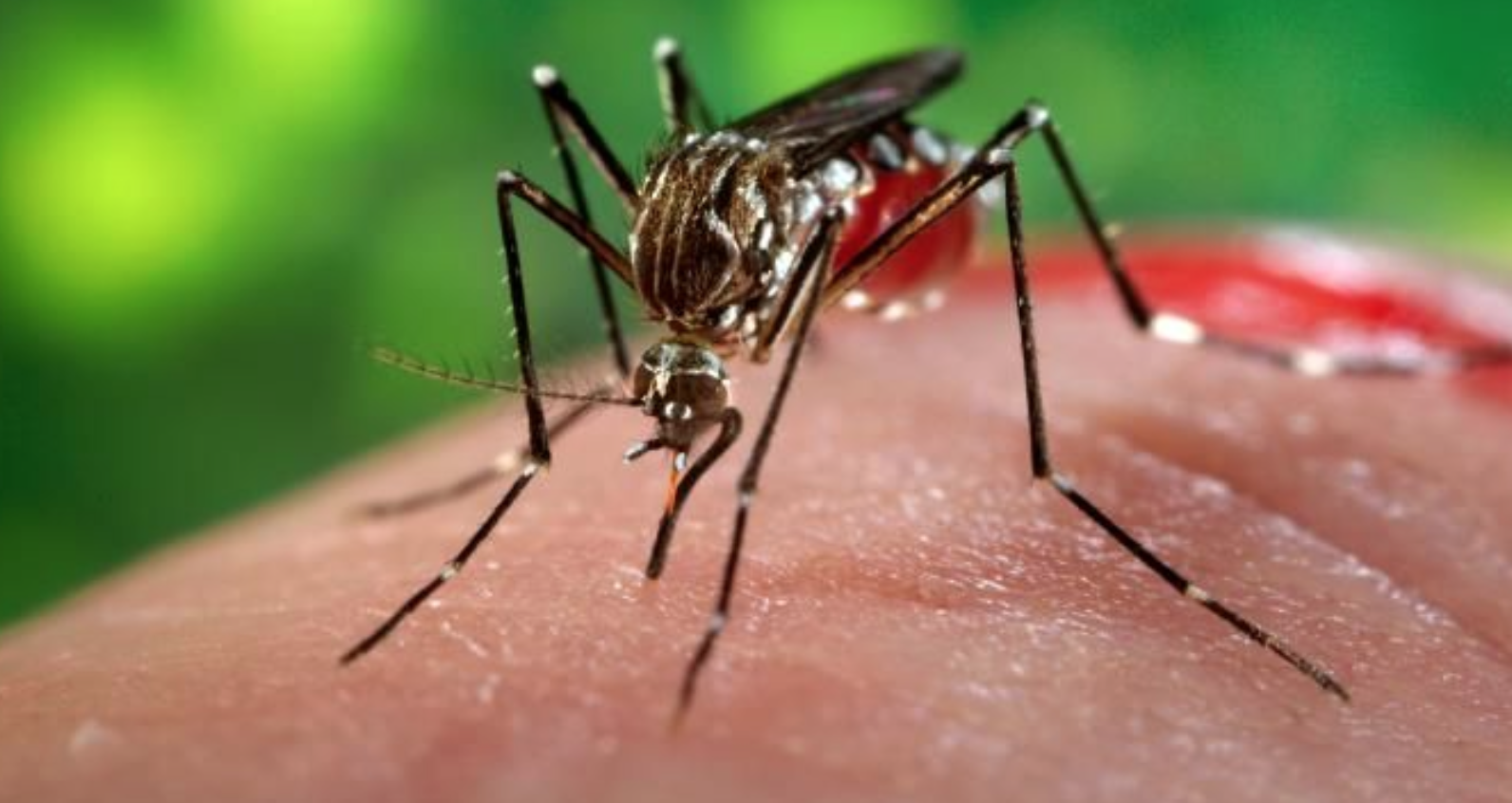
Chikungunya spreads through Aedes aegypti and Aedes albopictus mosquitoes. These insects also spread dengue and Zika. Infection often causes high fever and severe joint pain. Patients may also suffer headaches, fatigue, nausea, and rash. In about 60% of cases, joint pain can last months. However, no specific antiviral treatment exists. Doctors manage symptoms with pain relievers and fever reducers.
Globally, over 502,000 cases were reported in 2025. More than 208,000 were confirmed. In total, 186 deaths occurred across 41 countries. In the Americas alone, over 313,000 cases emerged. The region recorded 170 deaths in 2025.
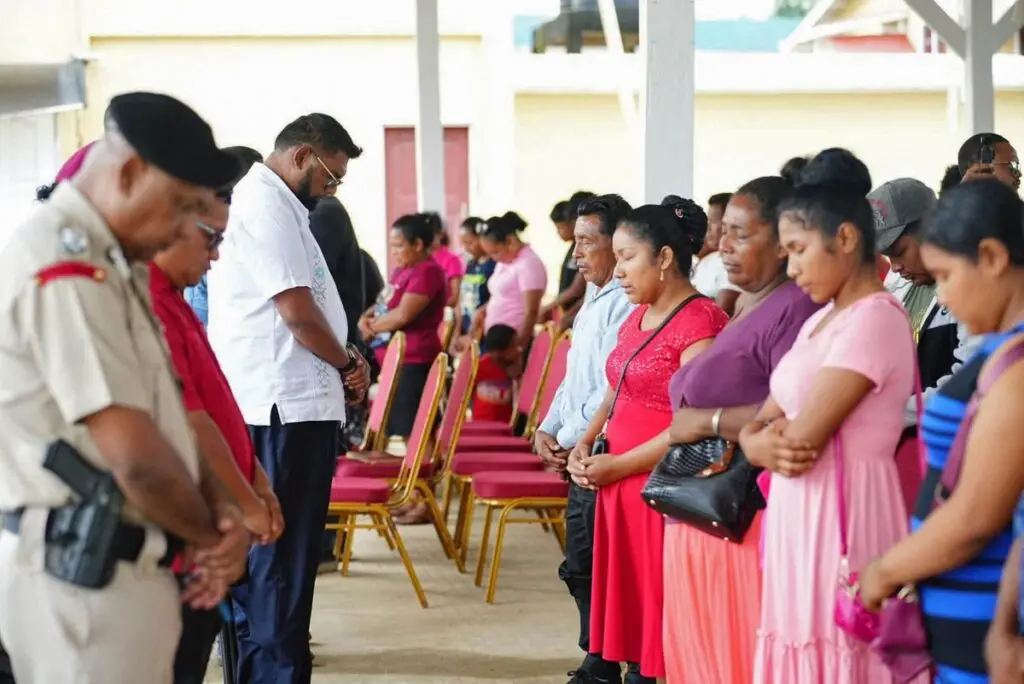
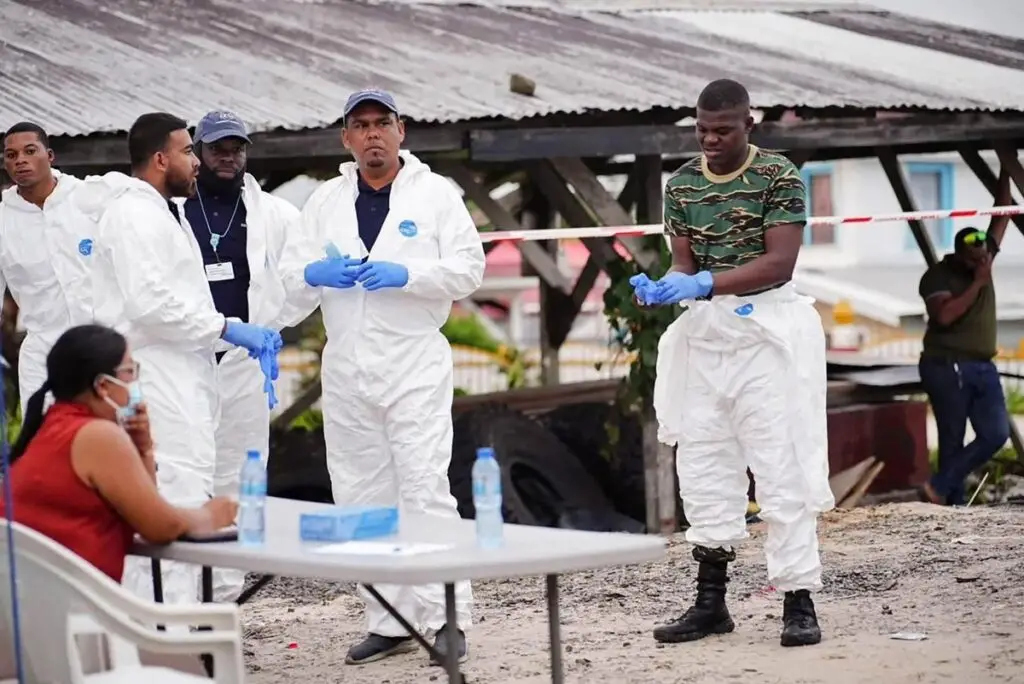
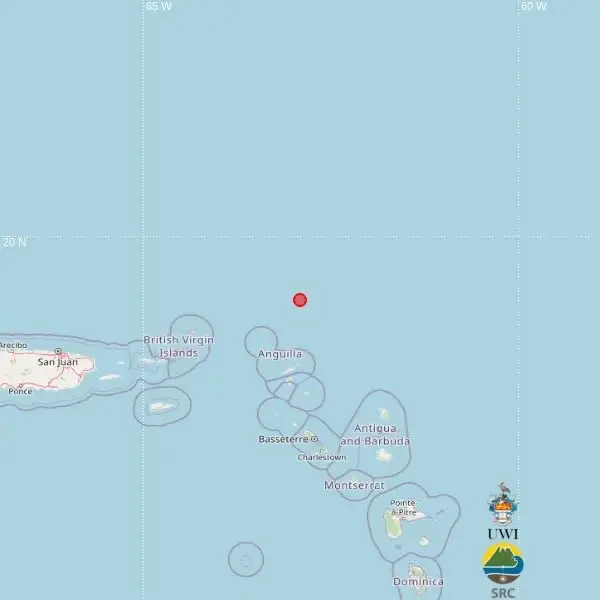
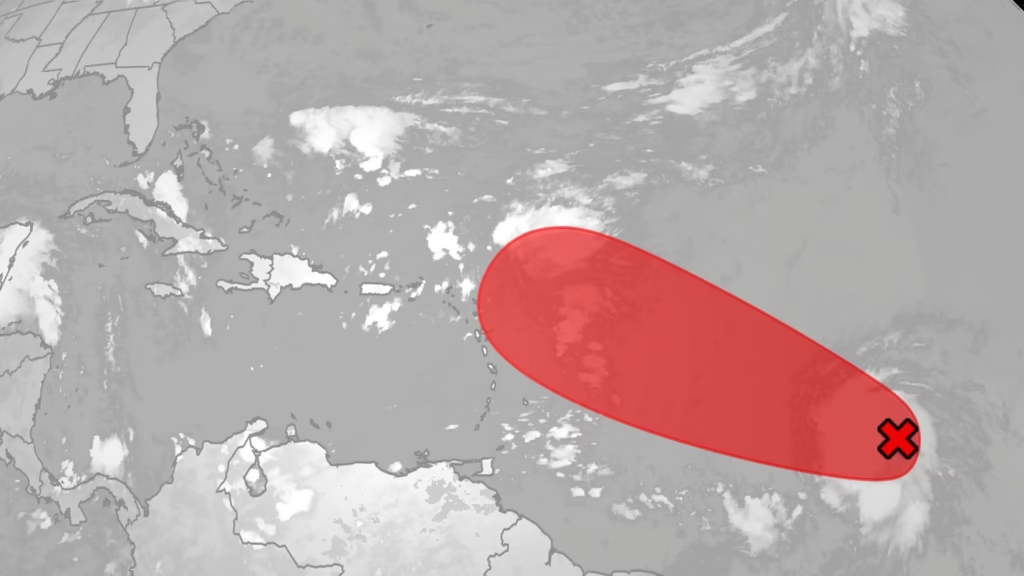
Although total regional cases declined from 2024, some countries report spikes. Guyana, French Guiana, and Suriname now show renewed transmission. Notably, these areas had seen no cases for nearly a decade.
Genomic studies confirm circulation of the ECSA genotype. However, experts have not detected the A226V mutation.
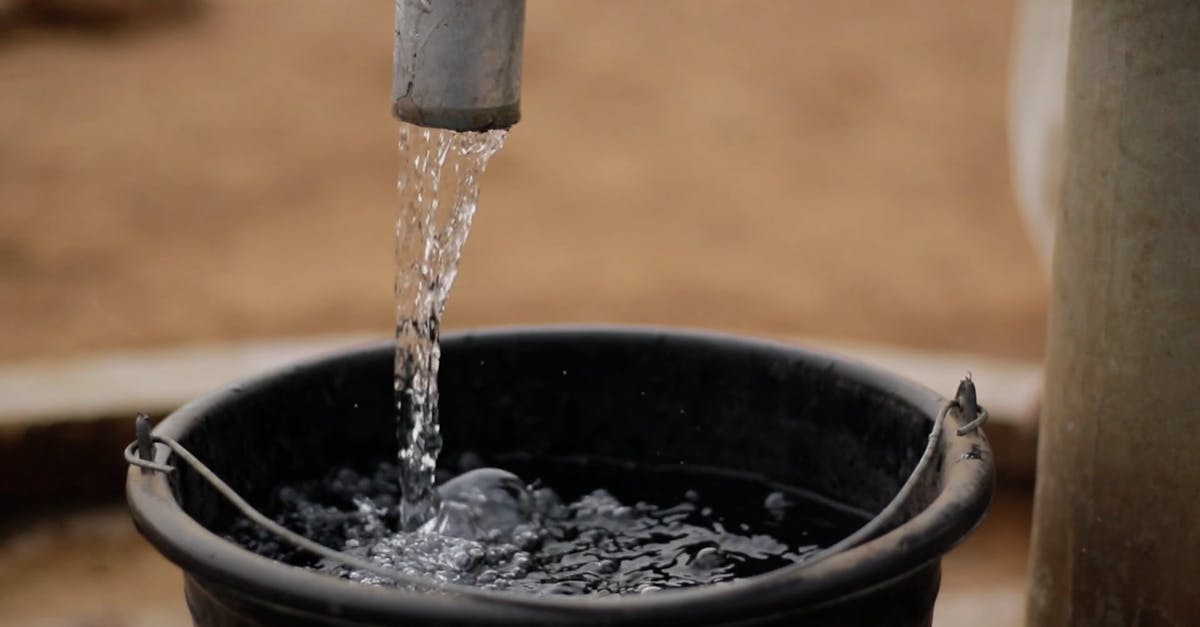
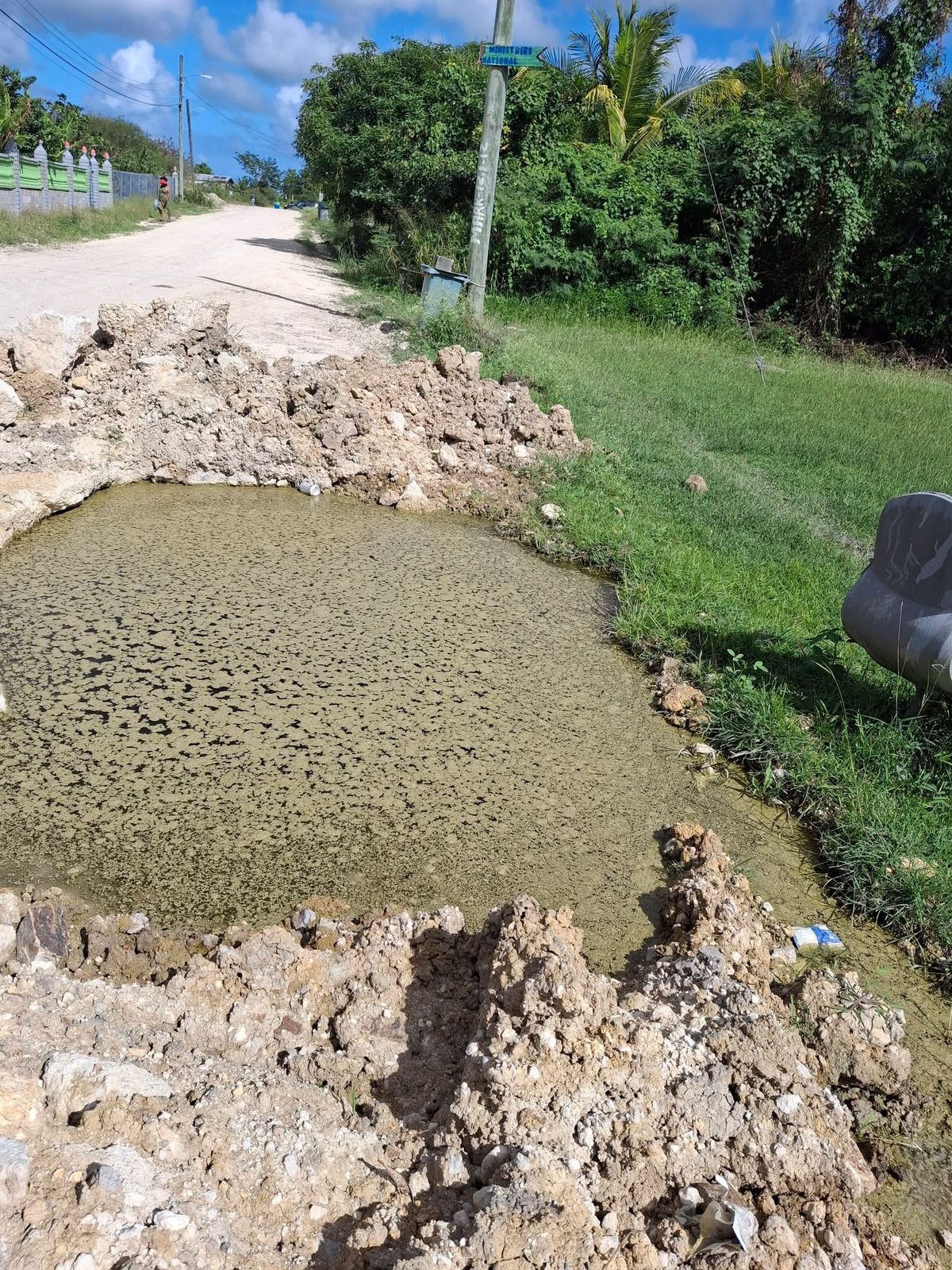
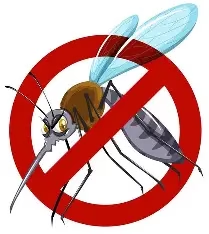
Finally, PAHO urges stronger vector control. Communities should remove standing water. People should use repellents and bed nets. Together, these steps can curb the spread.