
 English
























































































































































































































































































































































































































































































































































































































































































































































































































































































































































































































































































































































































































































































































































































































































































































































































































































































































































UWI Economist Calls for End to Free Tertiary
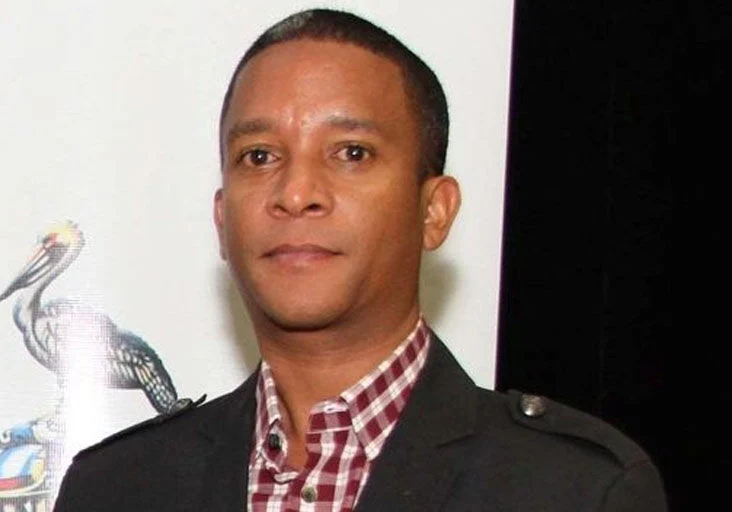
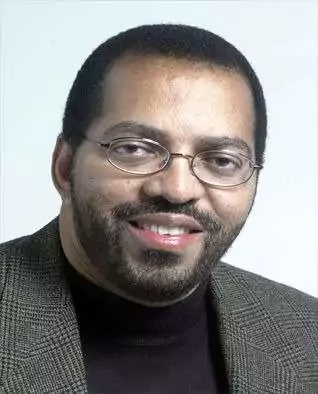
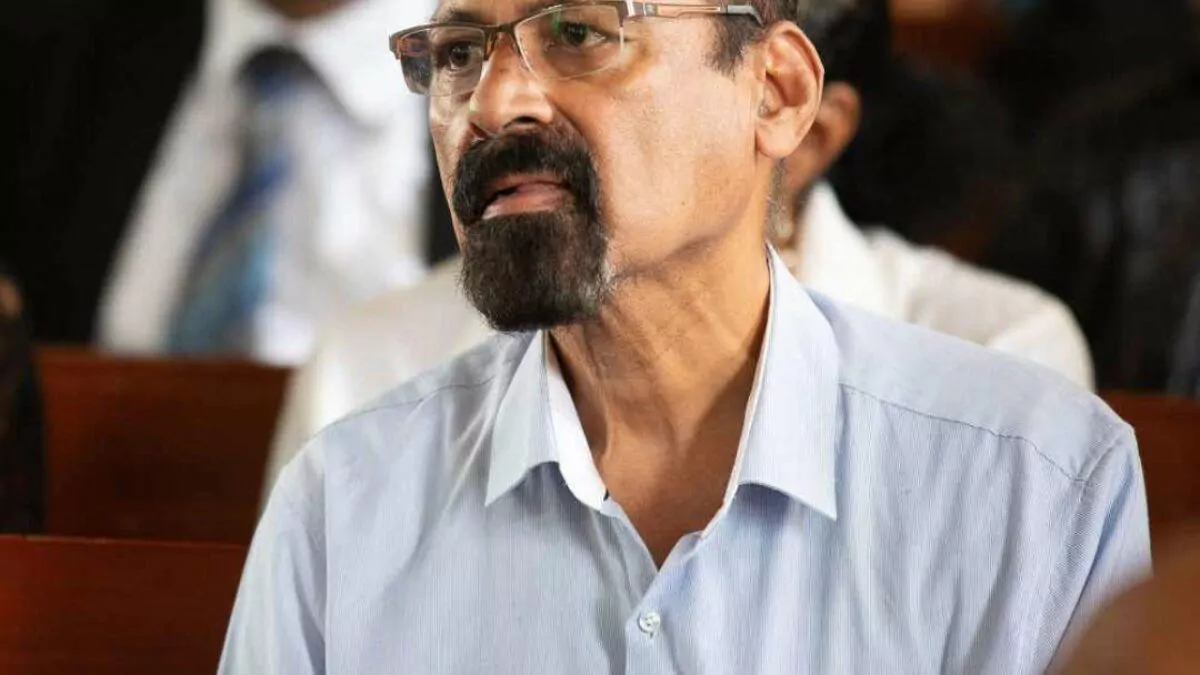
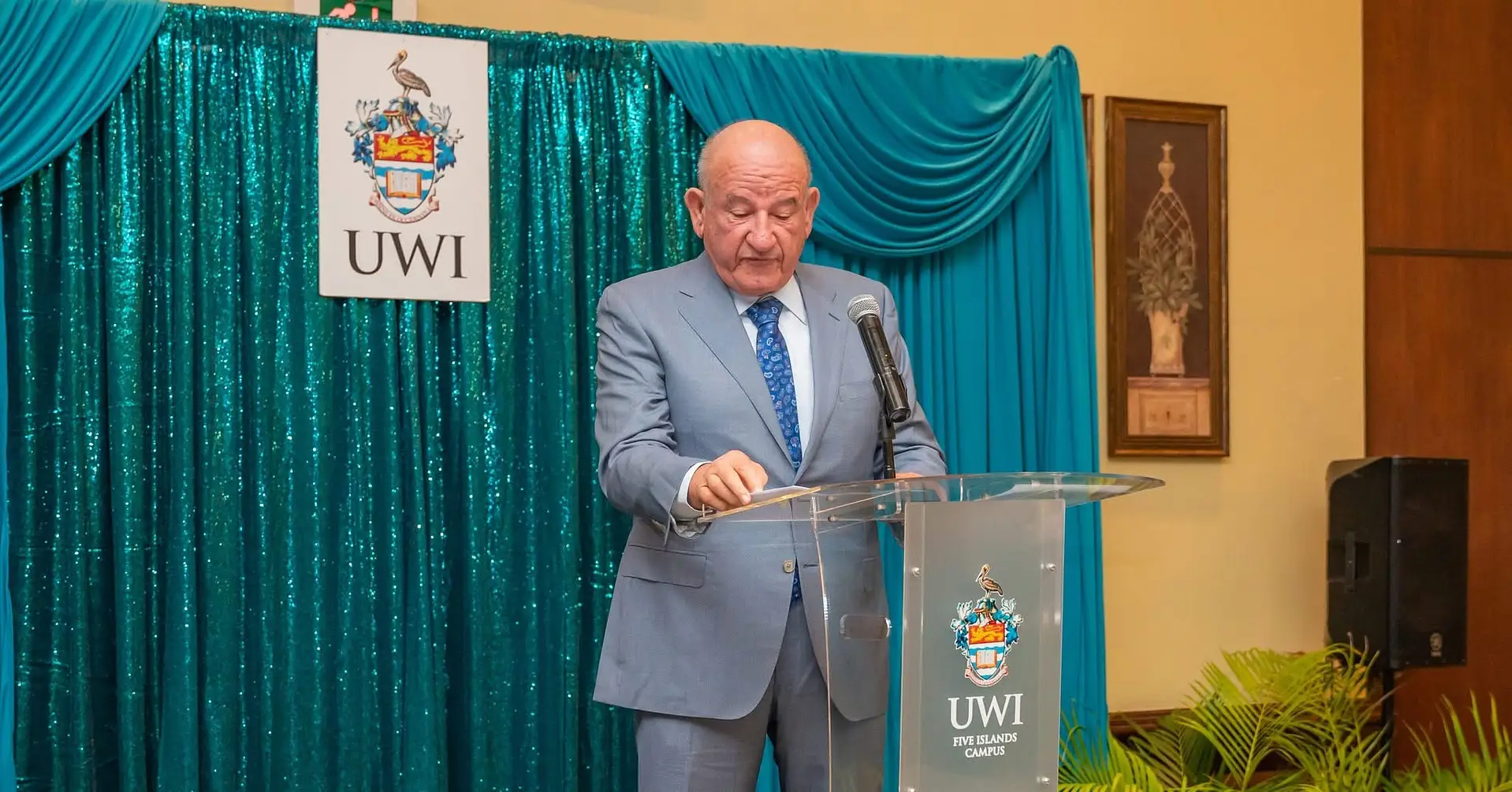
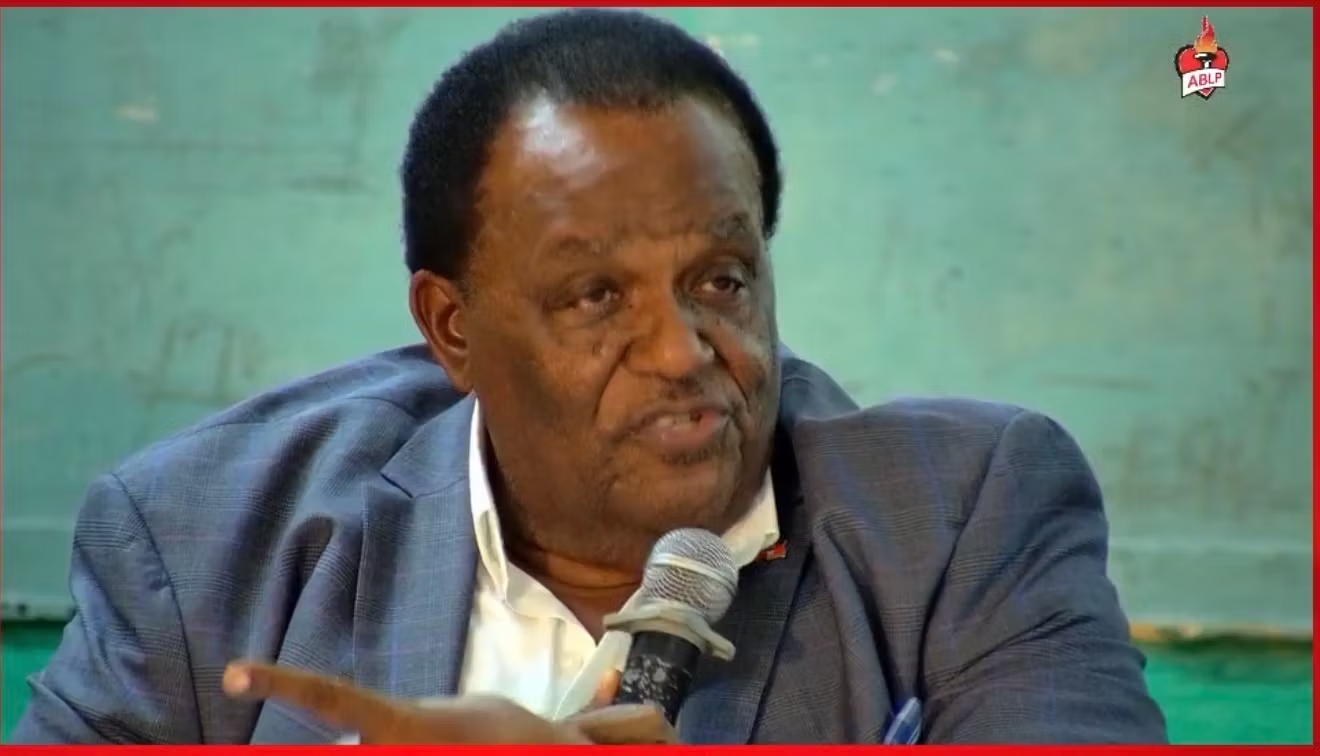
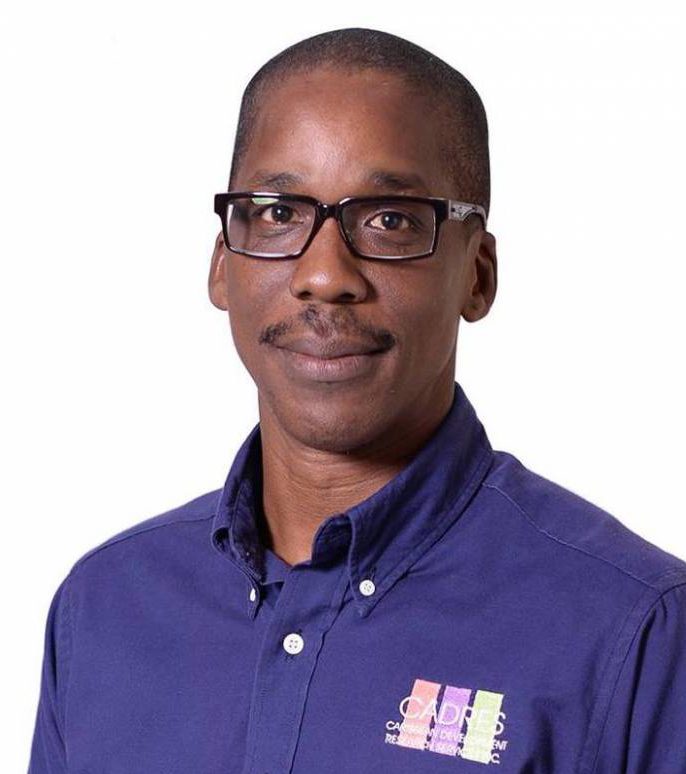
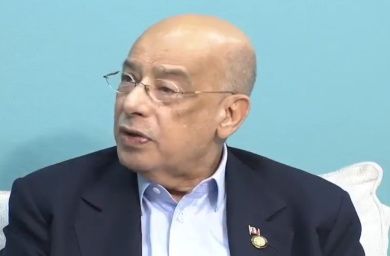
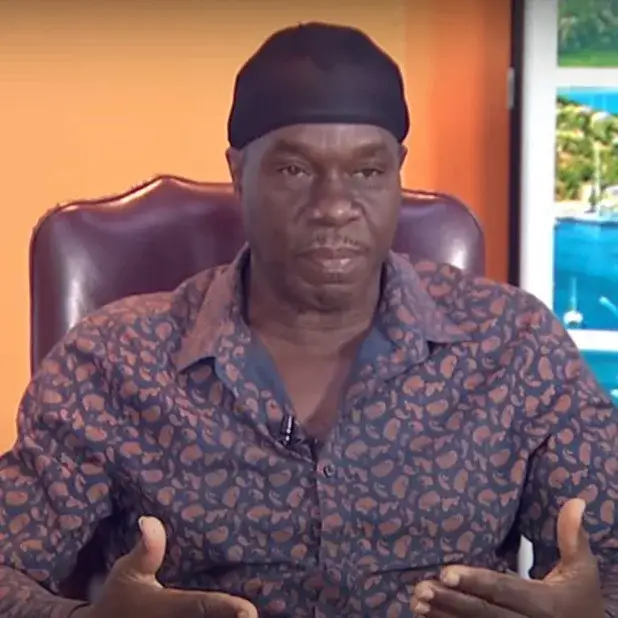
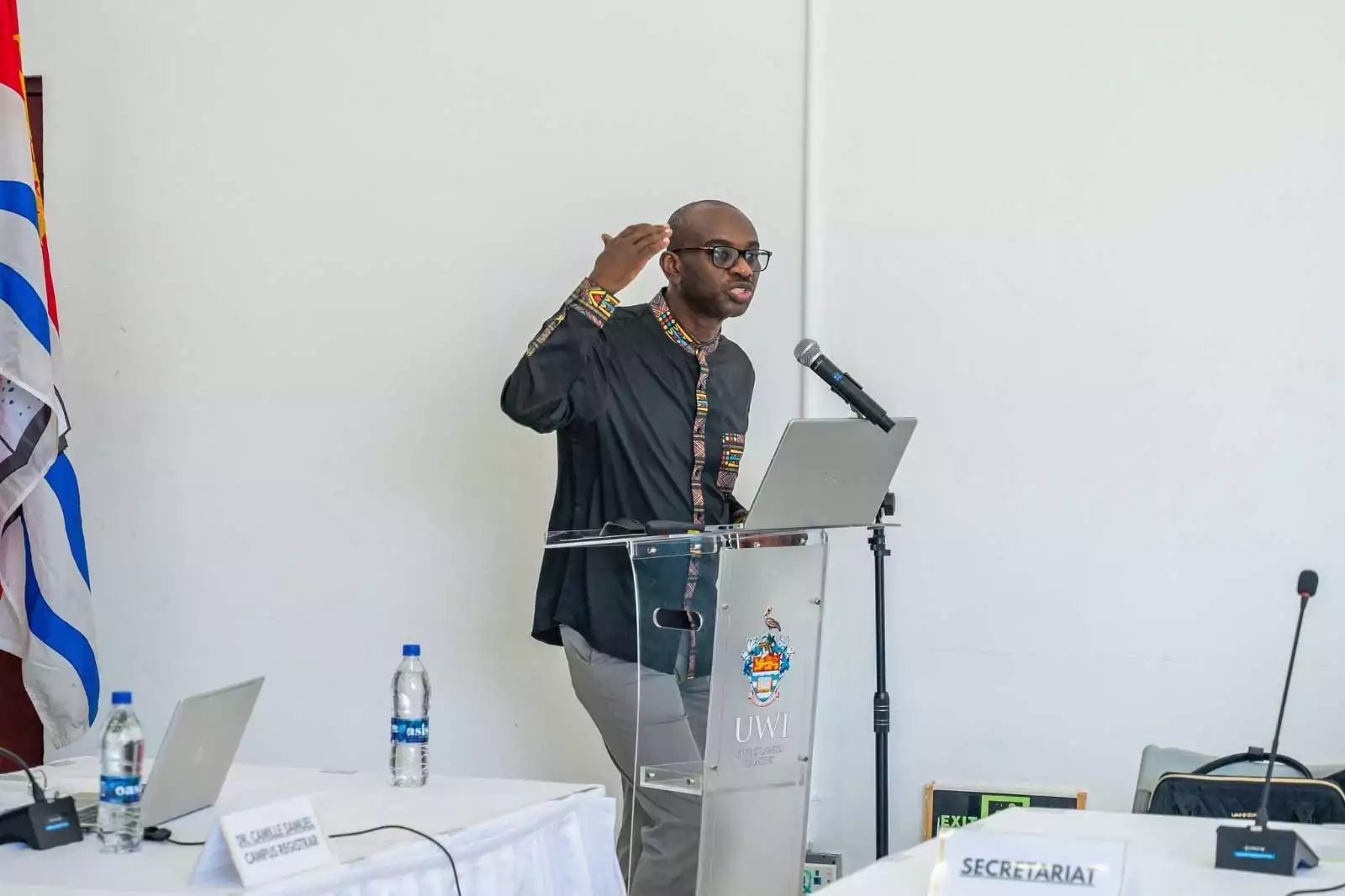
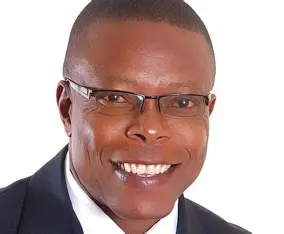
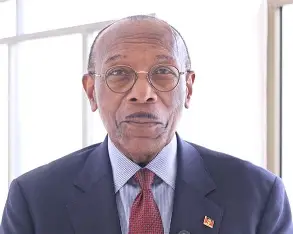
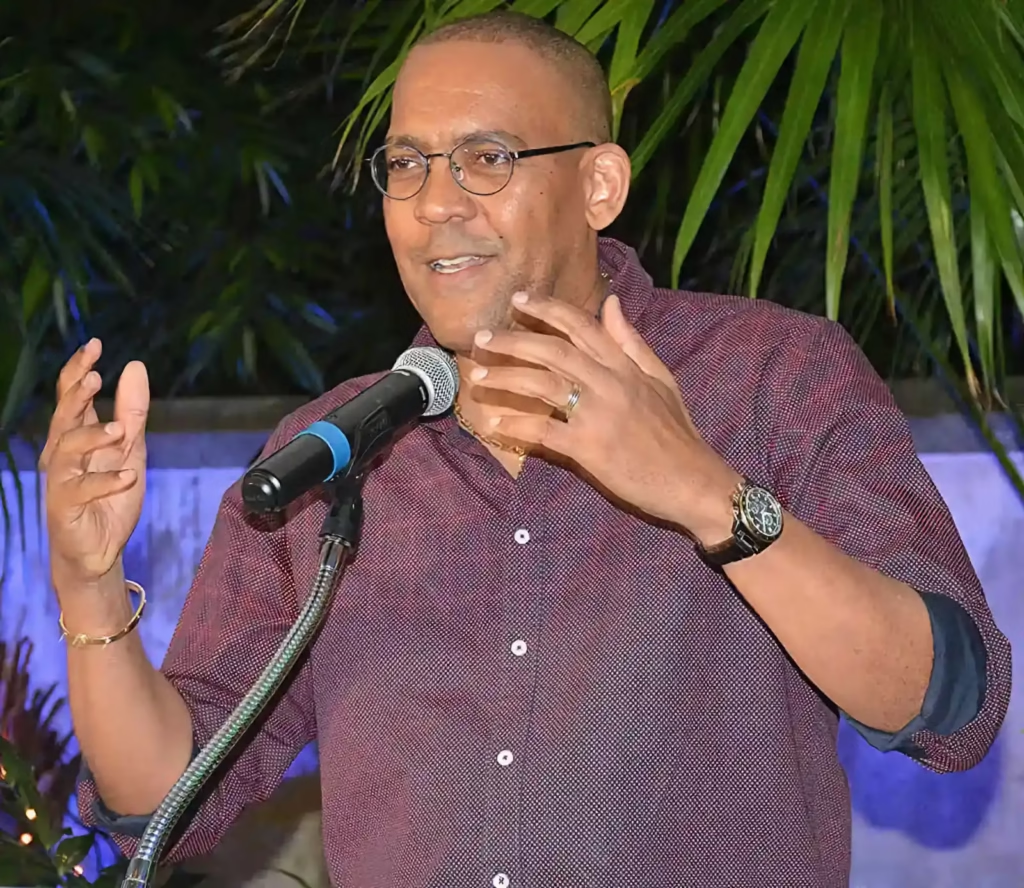
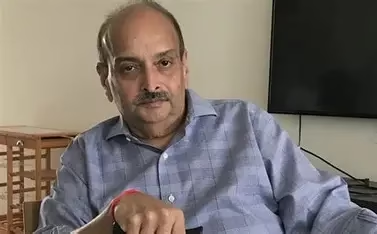
UWI economist Dr Daren Conrad is urging the State to end full funding for tertiary education.
He says public financing should stop at secondary school. After that, students should pay part of the cost.
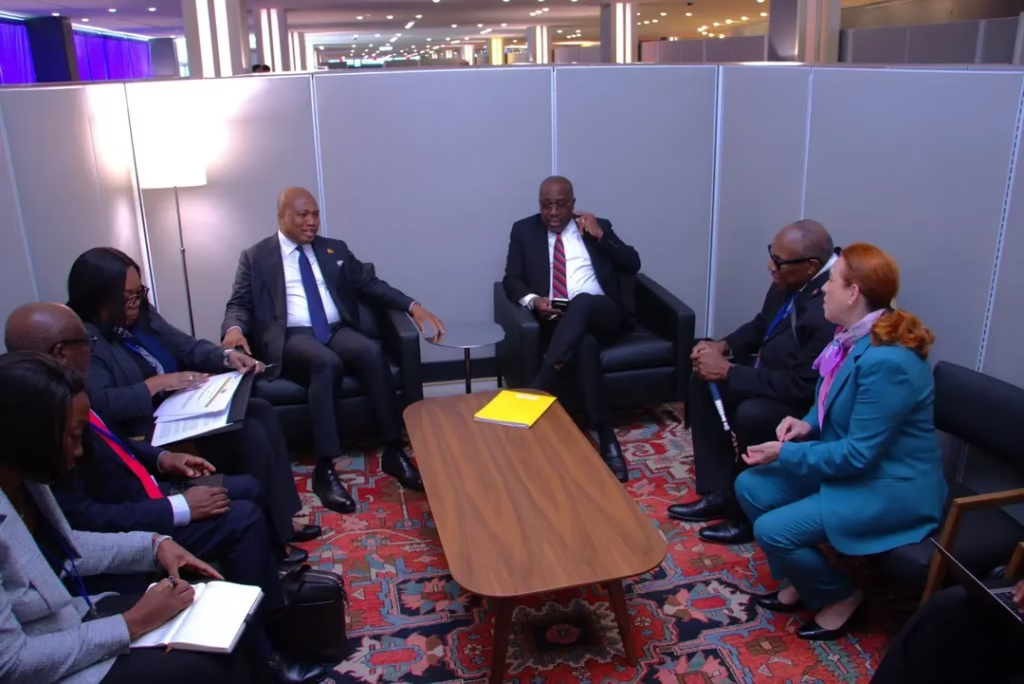
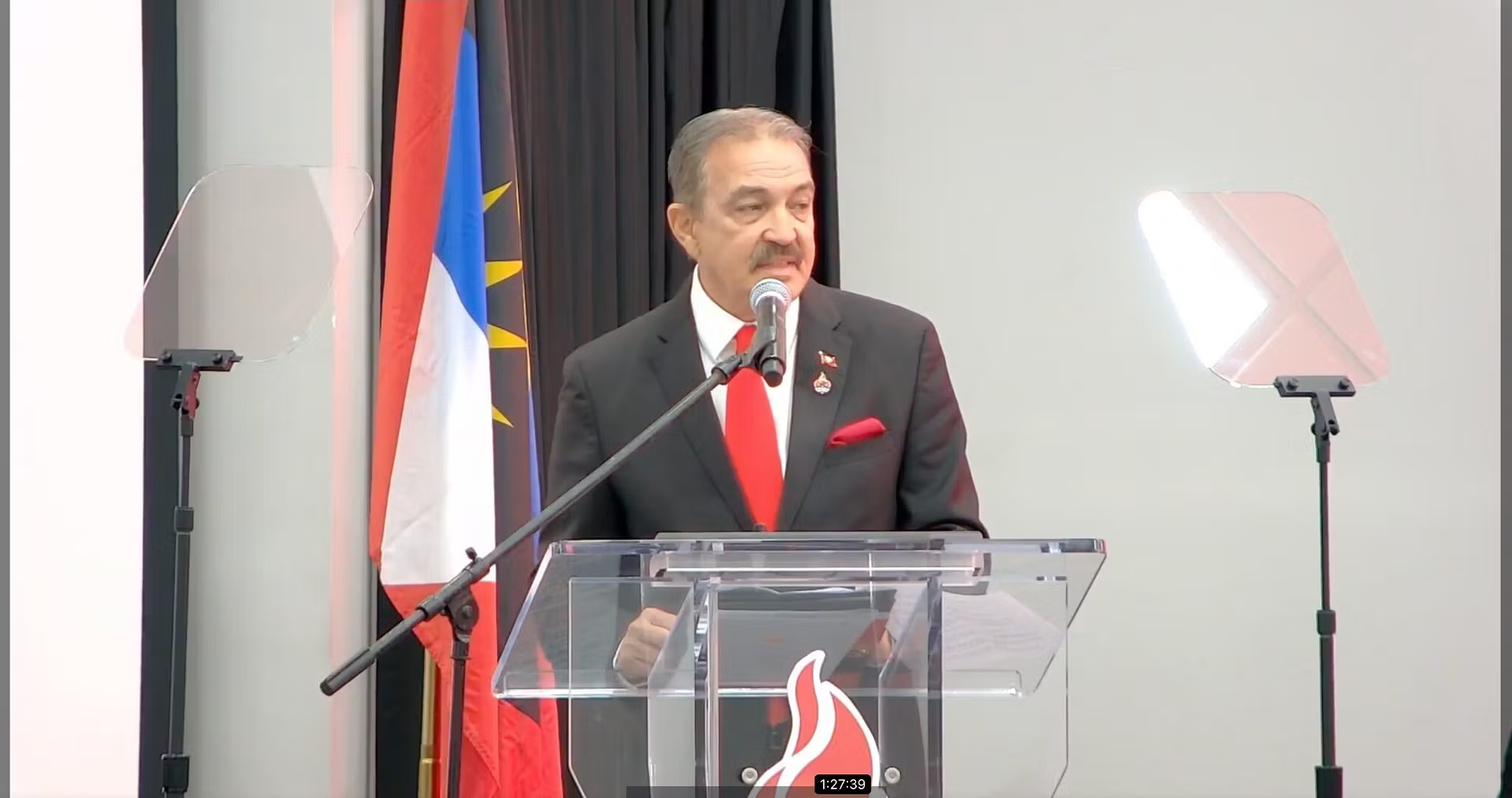
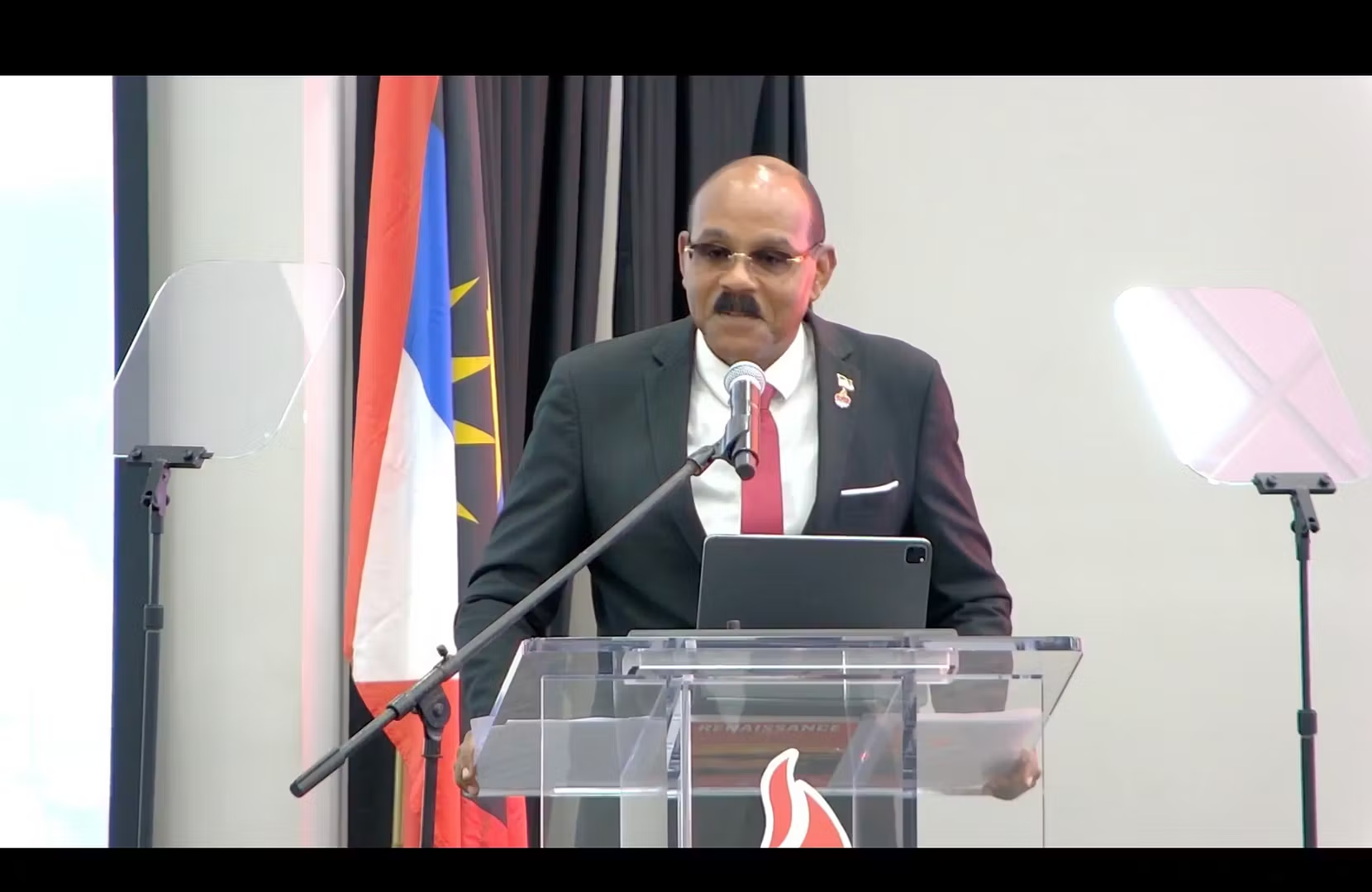
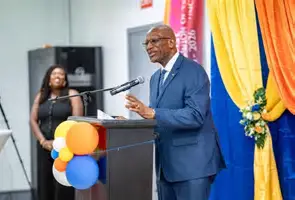
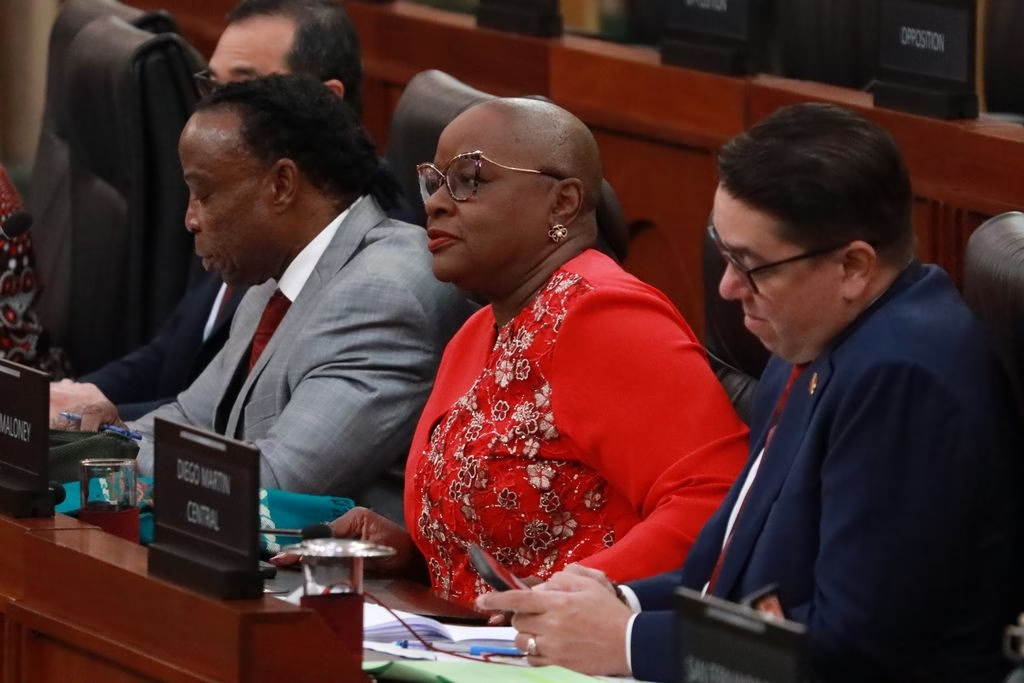
Conrad spoke at a UWI Trade and Economic Development Unit panel. The discussion focused on backpay promises and the macroeconomy.
According to Conrad, full university funding has hurt the labour market. He said it has led to saturation and wage suppression. As a result, many graduates struggle to find meaningful work.
He warned that Trinidad and Tobago cannot absorb the number of graduates produced. Therefore, many highly skilled workers remain underemployed.
Conrad also highlighted a growing skills mismatch. Universities produce graduates without matching economic needs. Meanwhile, public finances face added strain.
He pointed to sector data showing saturation in energy, manufacturing, and transportation. Consequently, new graduates face limited job openings.
Some graduates now pursue master’s degrees to delay unemployment. However, Conrad said this trend worsens the problem. He noted that many master’s holders earn modest salaries.
Although unemployment remains in single digits, Conrad urged caution. He said headline figures hide underemployment and informal work. In addition, small business closures often go unreported.
The economist also questioned recent public sector backpay. While it boosted morale, he said it did not lift economic activity. Instead, households saved the money.
He stressed that wage increases must link to productivity. In the private sector, employers measure performance. However, he doubts this happens meaningfully in the public sector.
Conrad warned that a growing public wage bill could strain finances. Instead, he said sustainable jobs must come from small businesses. Stronger confidence would encourage expansion and risk-taking.
Moreover, he noted that artificial intelligence is reshaping work. Technology now replaces routine labour, adding pressure to the market.
He called for updated labour market data. Policymakers, he said, rely on outdated figures. Without reform, the country risks heavy spending without returns.
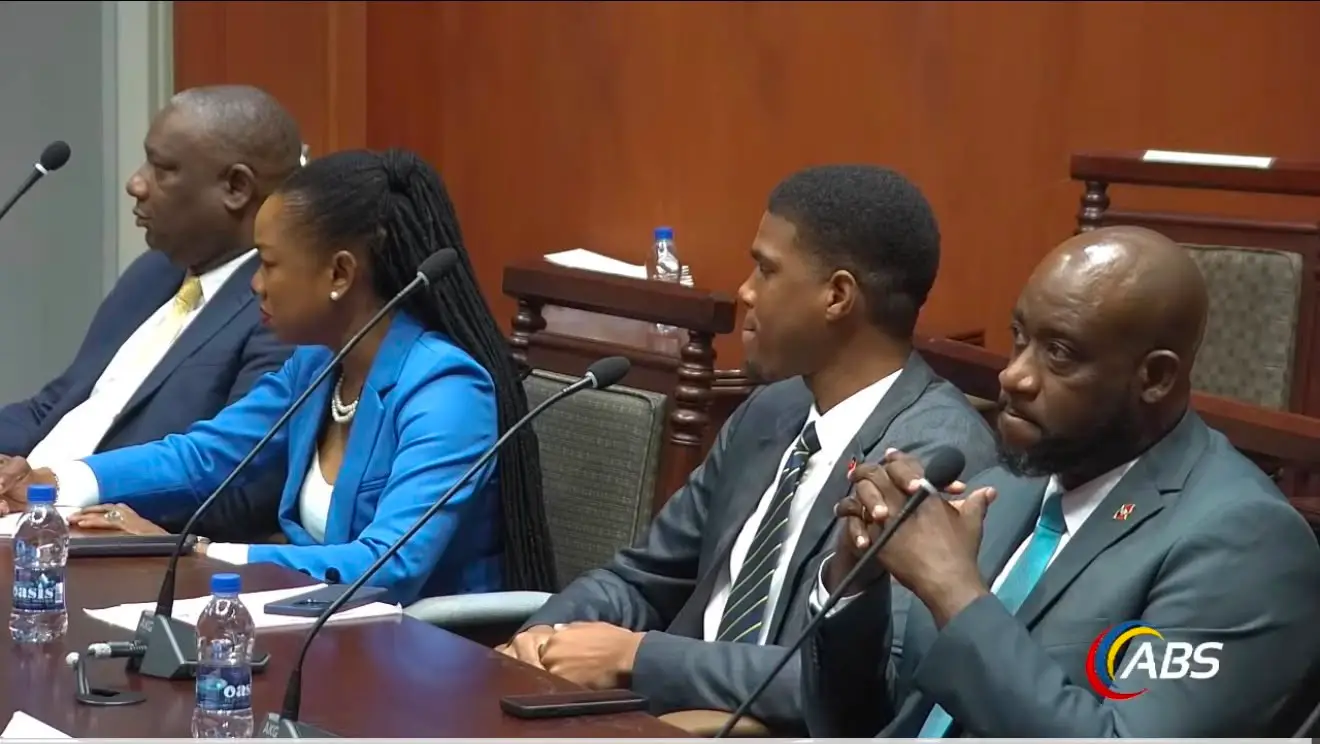
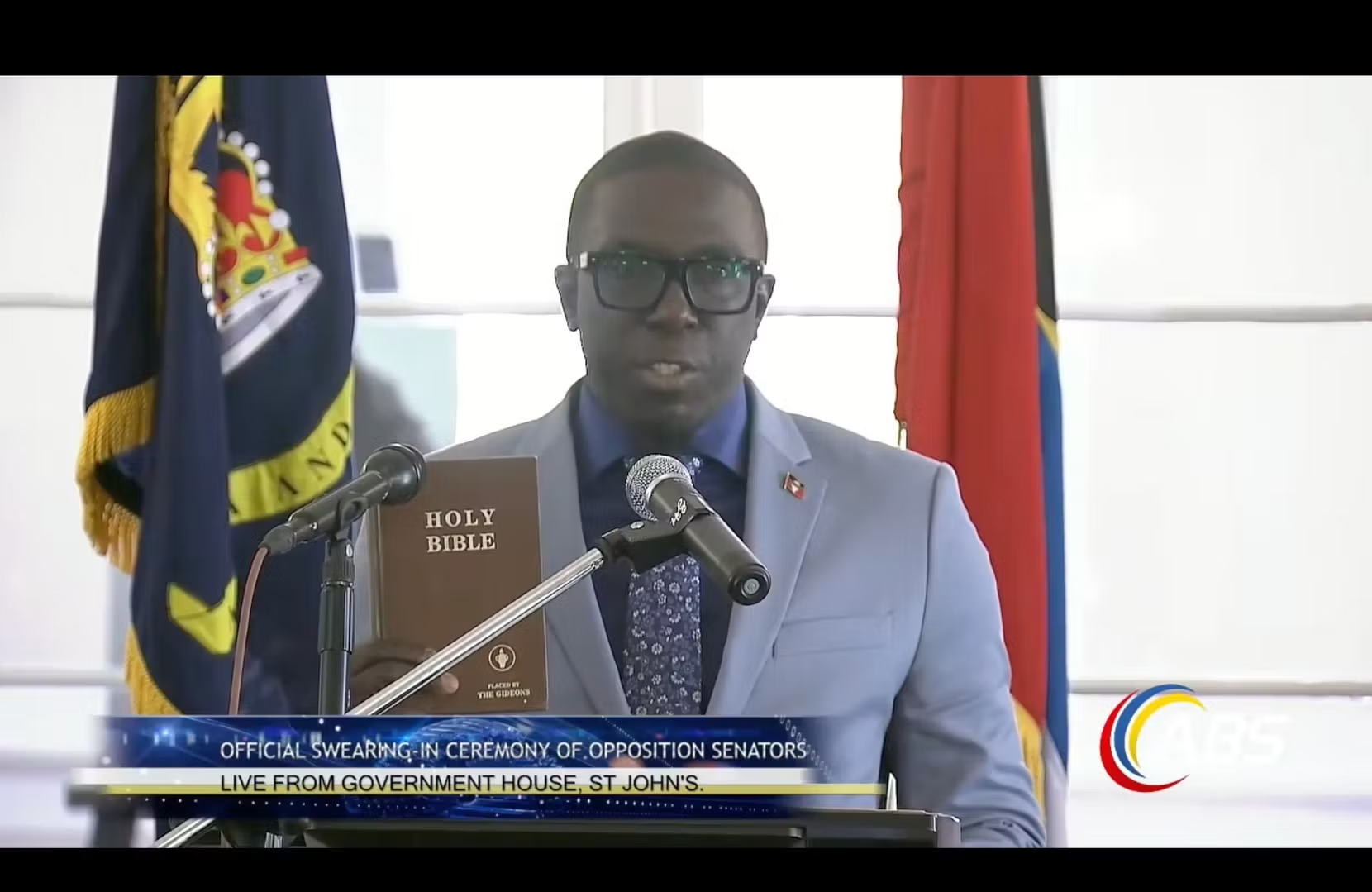
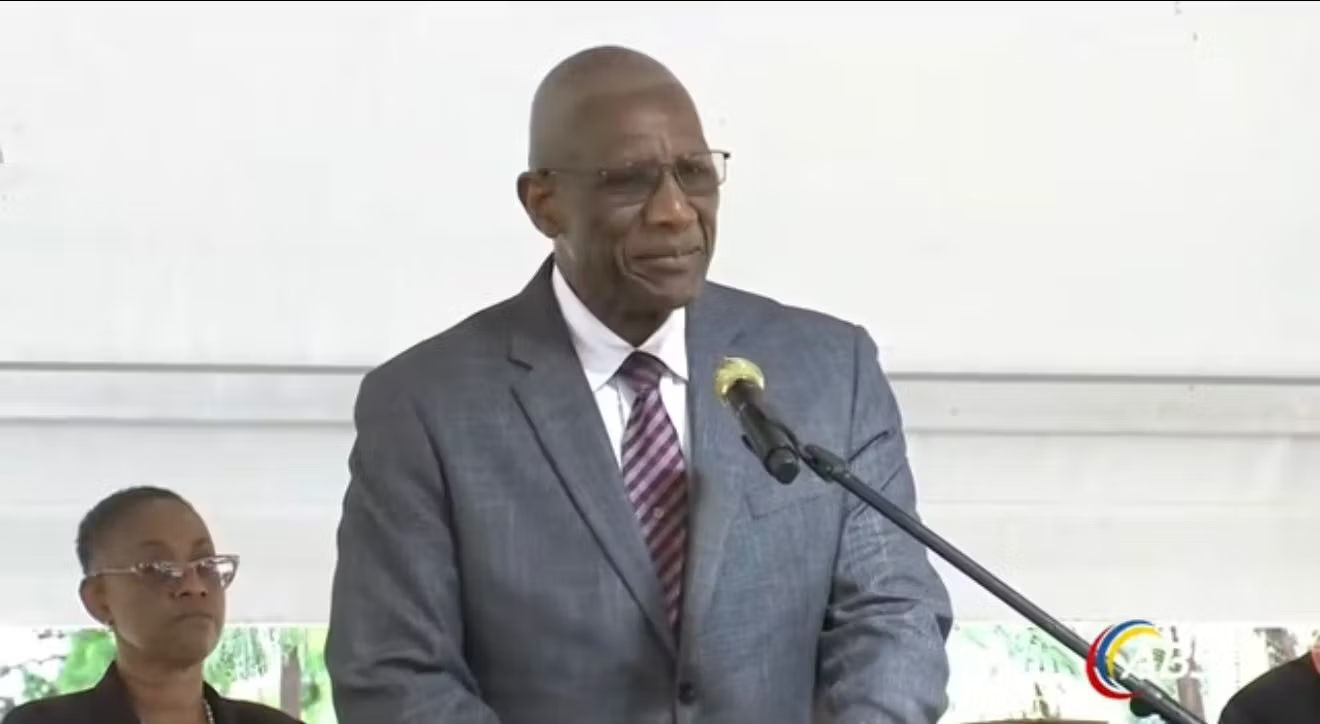
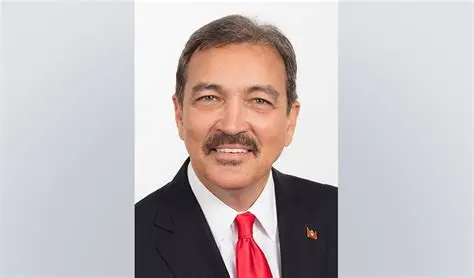
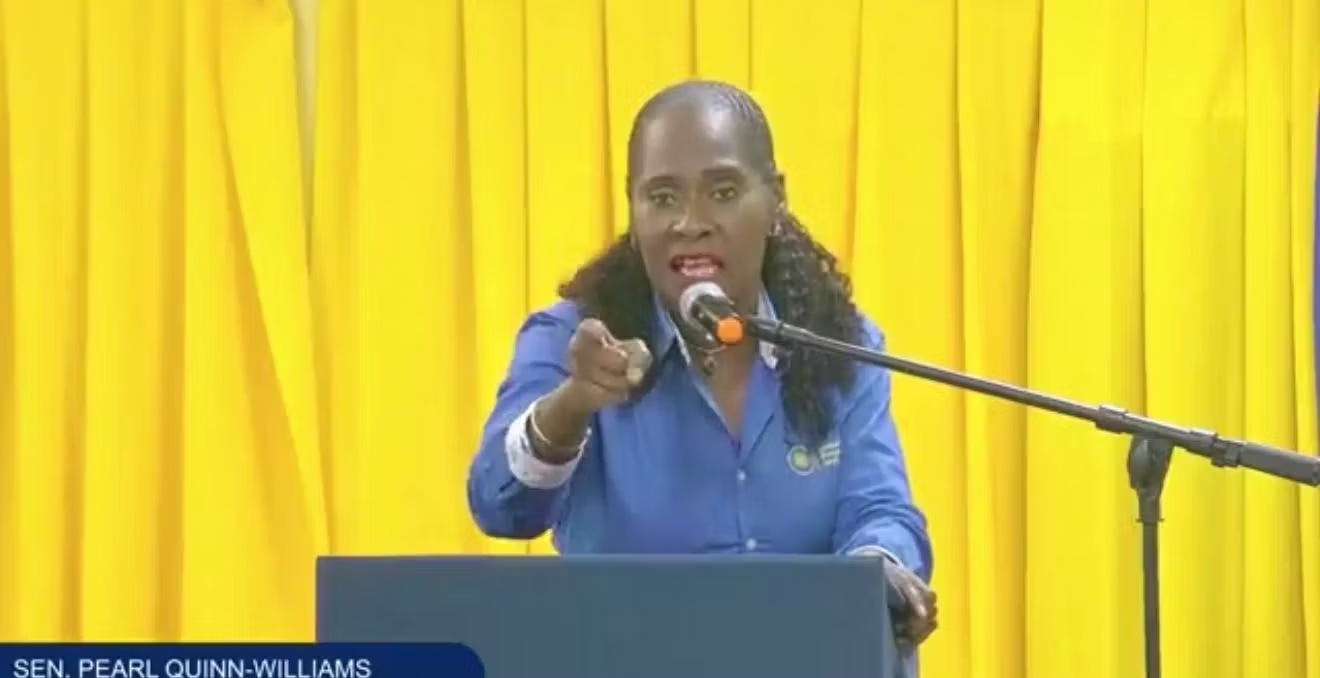
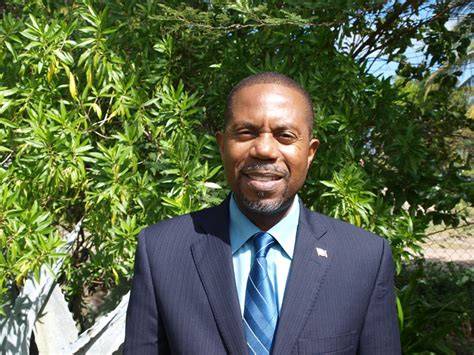
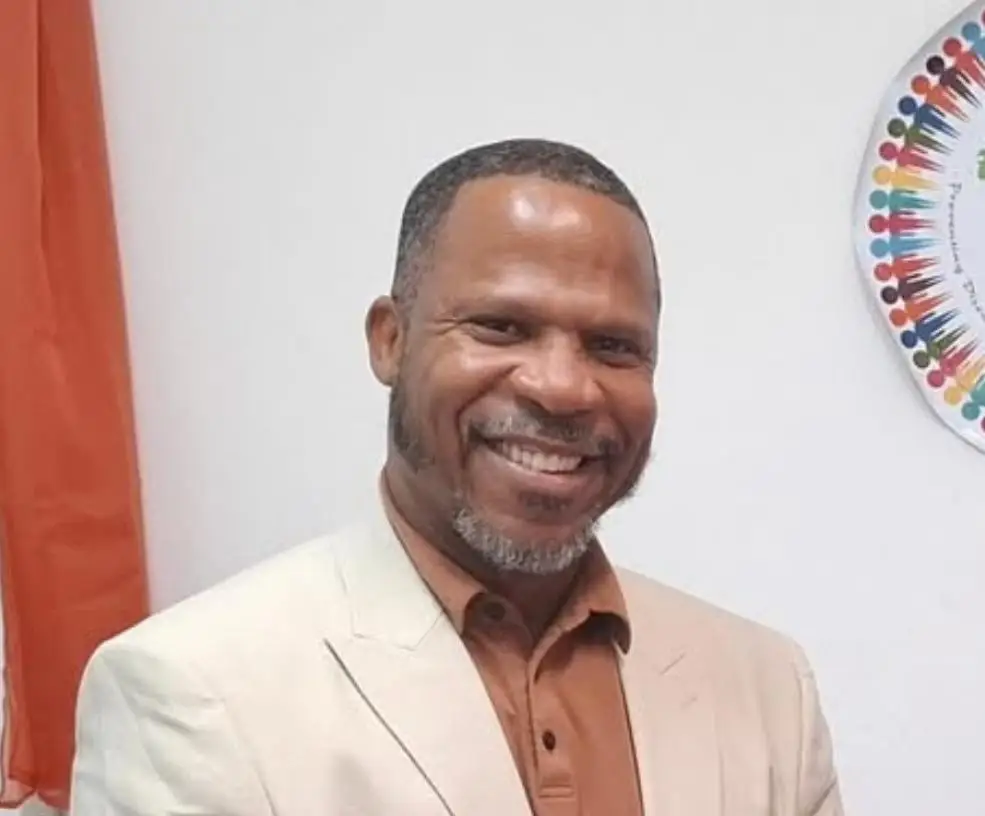
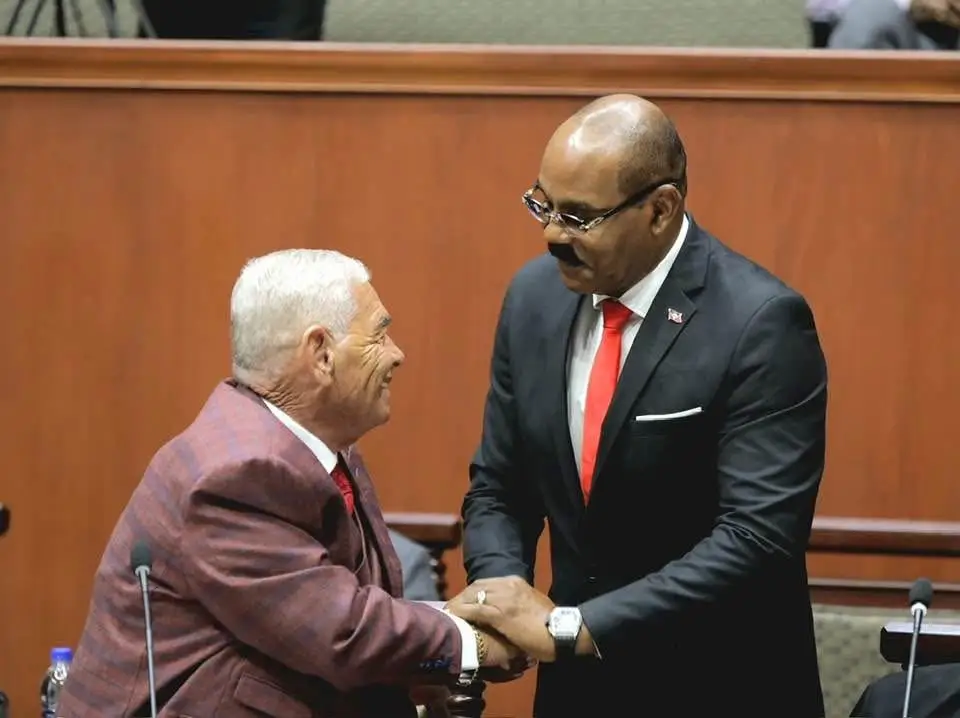
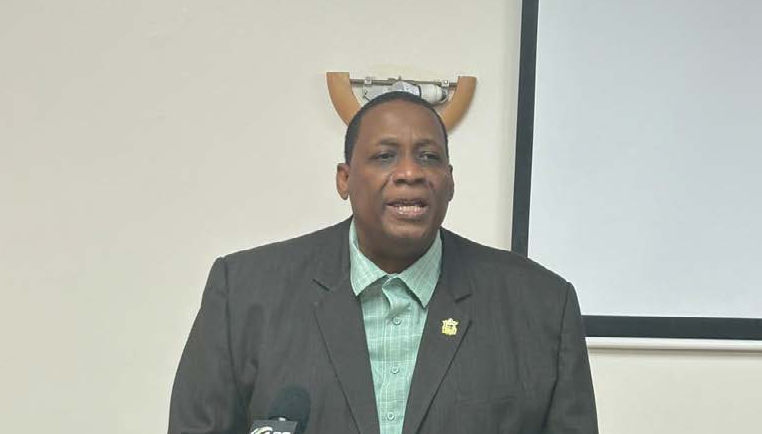
Meanwhile, Planning Minister Kennedy Swaratsingh defended backpay. He described it as a strategic intervention. He said it supports social justice and economic participation.
The minister linked wage adjustments to growth and diversification. He also noted that labour force participation fell sharply over the past decade. Therefore, he said fair pay can help reverse that trend.