
 English





















































































































































































































































































































































































































































































































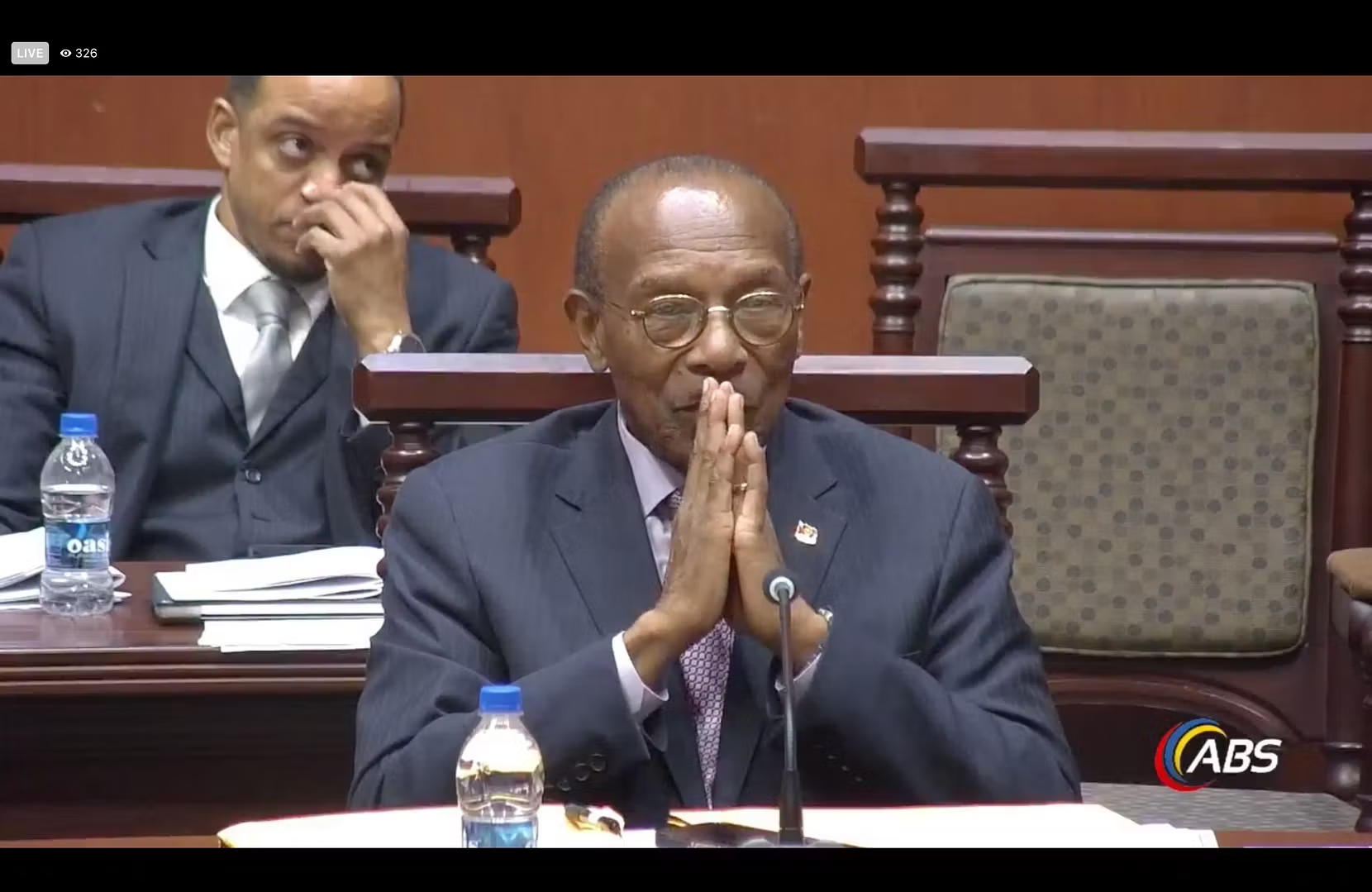
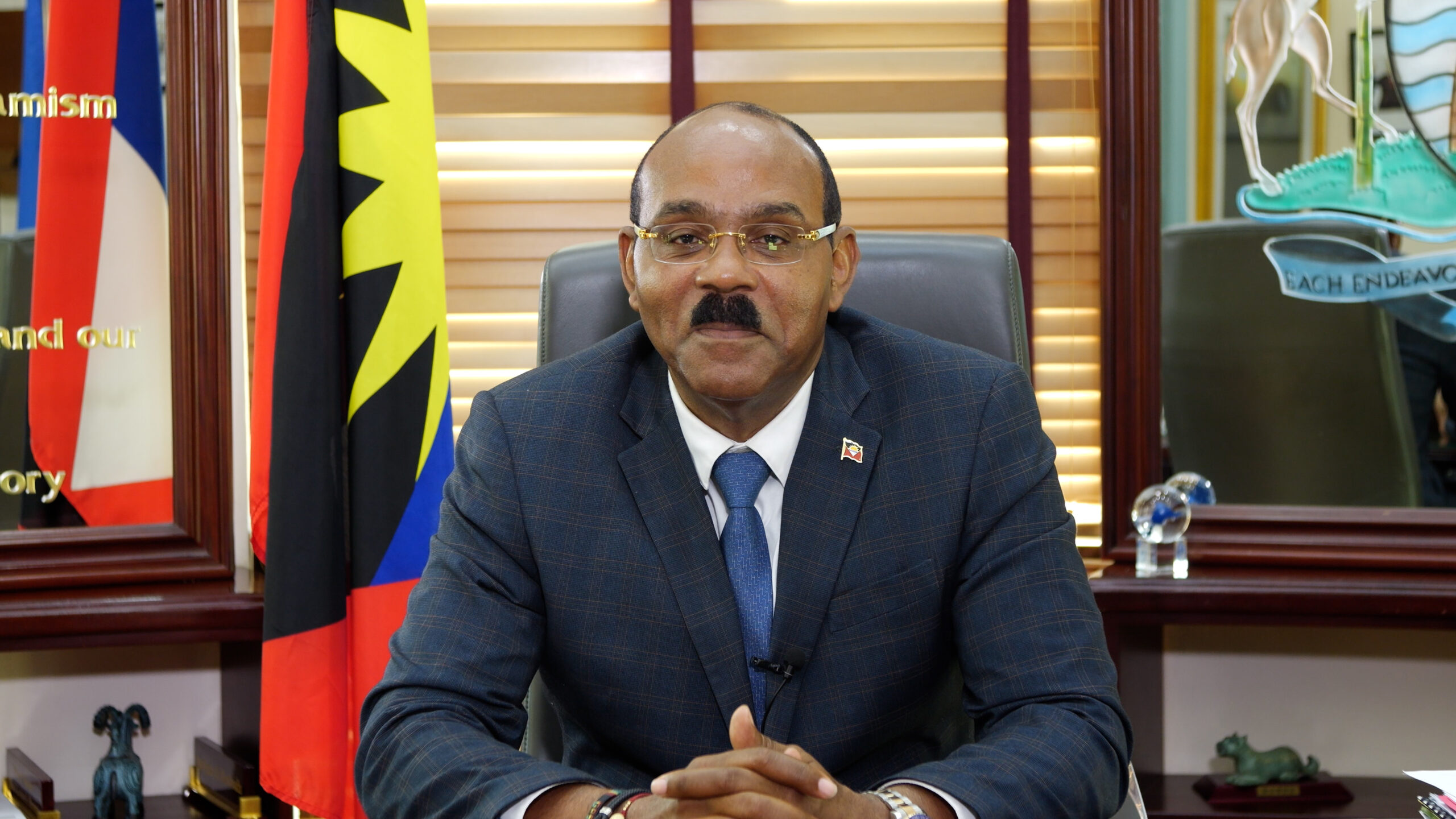















































































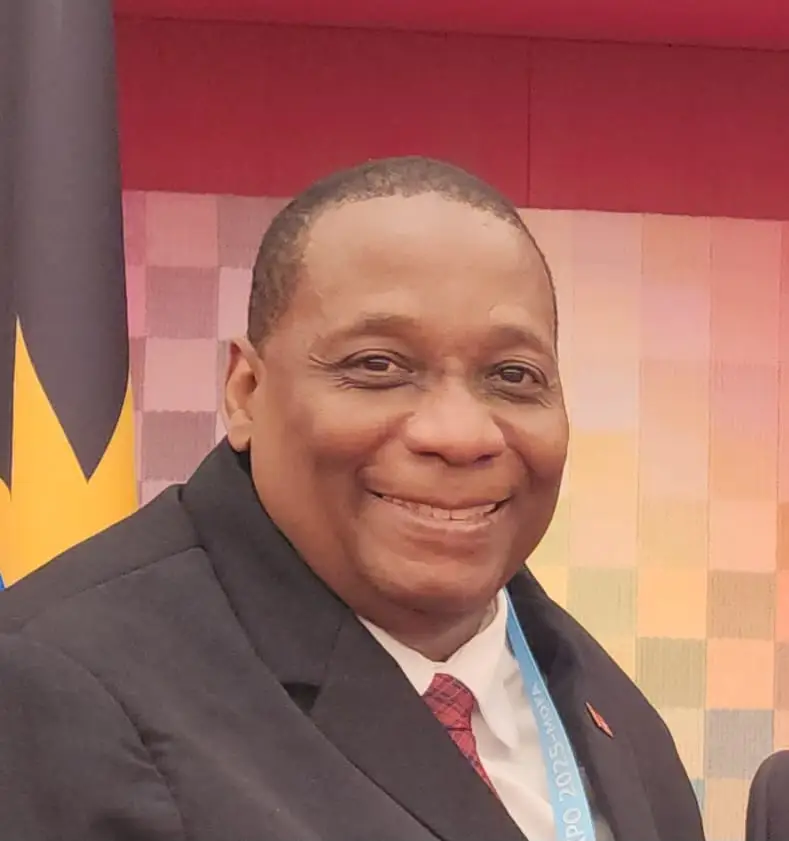

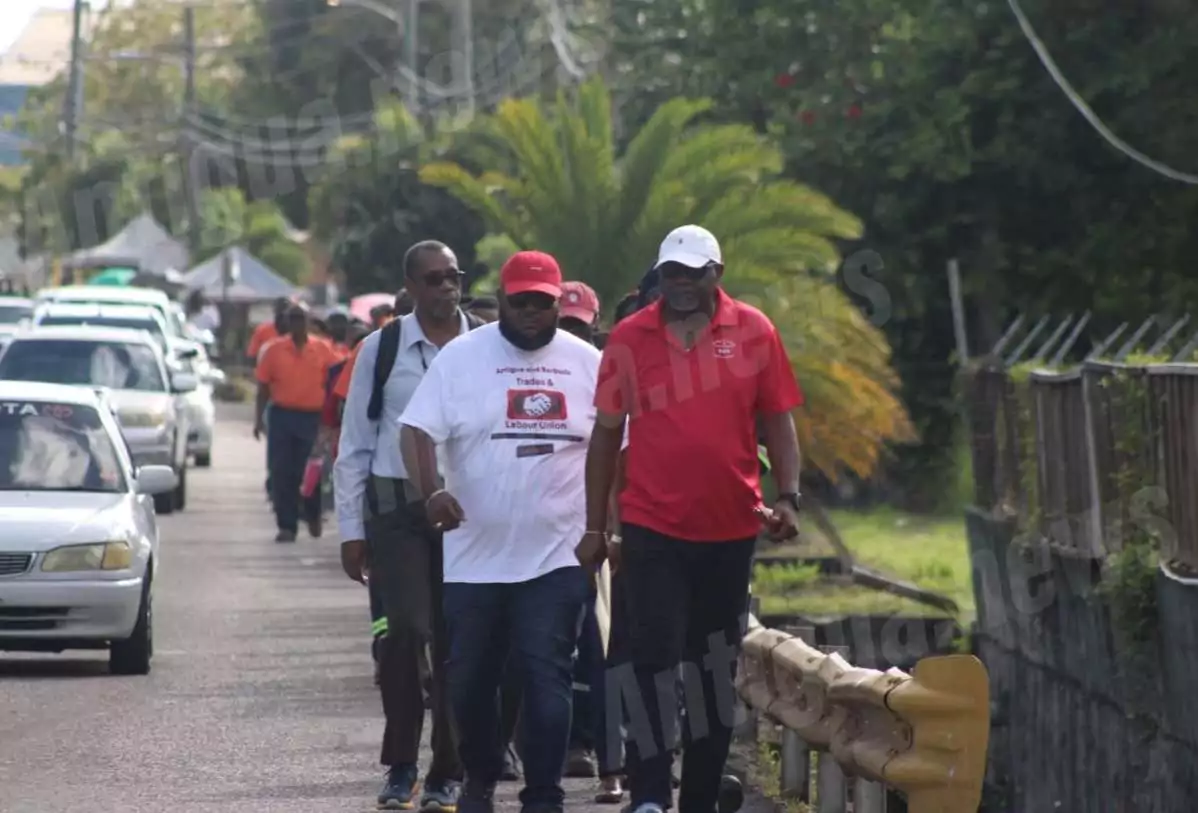
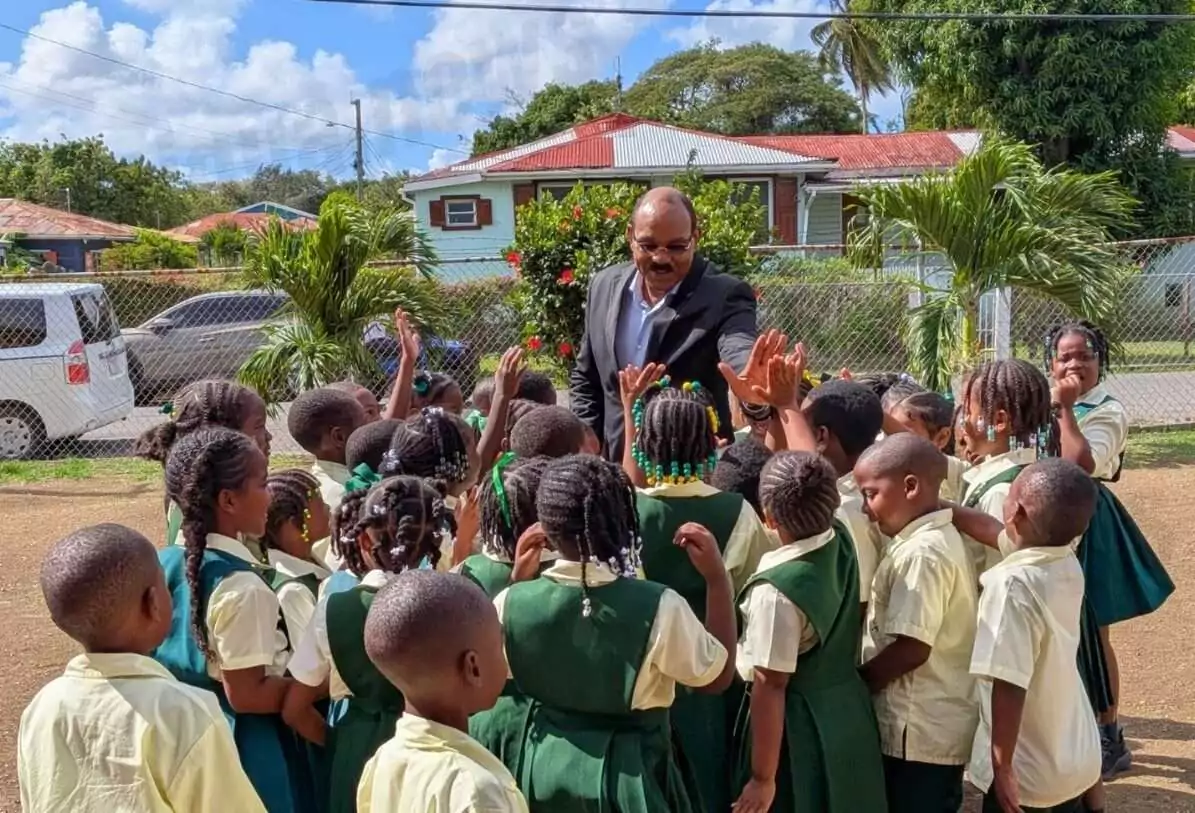
















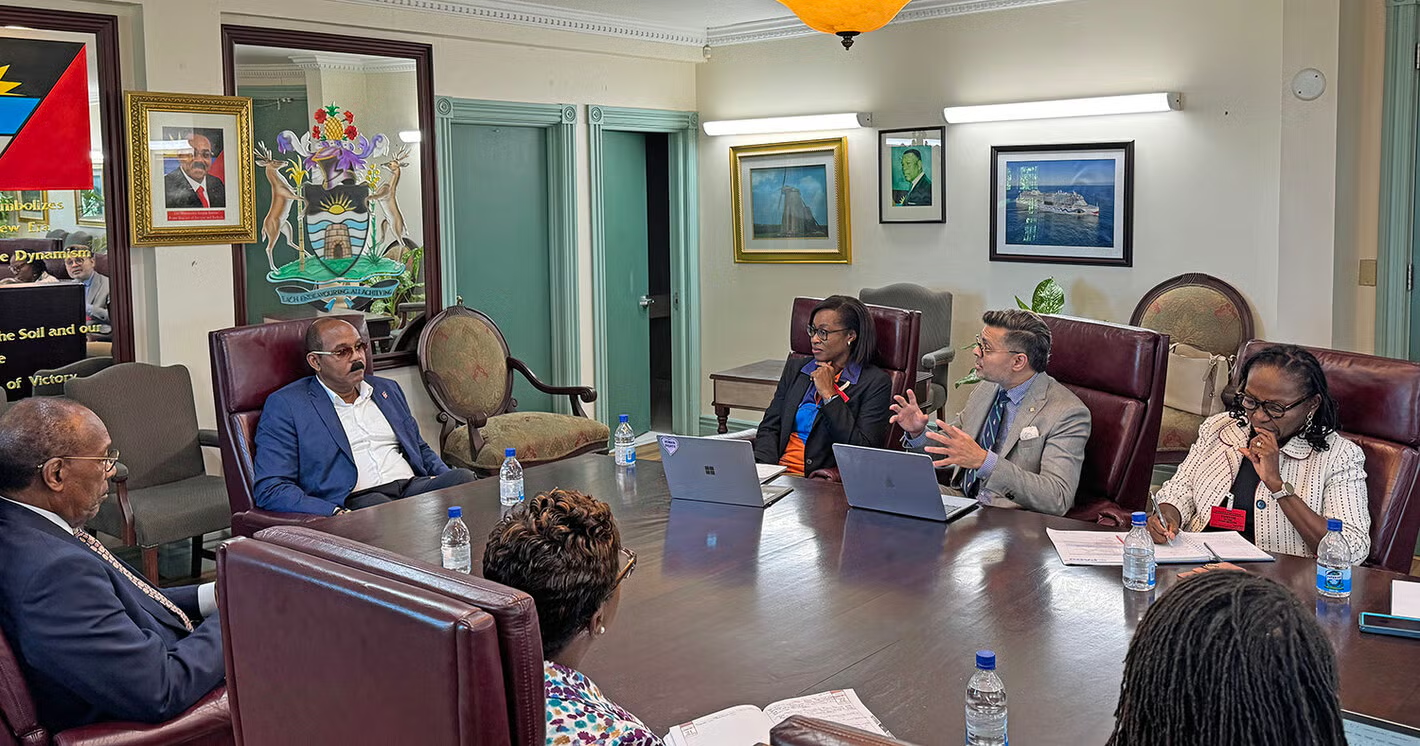





































































































































































































































































































































































































































































Blaze the Minister: Browne Targets APUA Over Water Woes
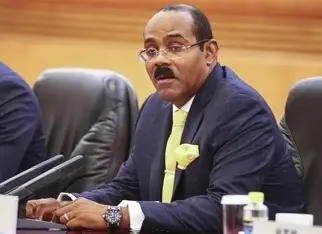
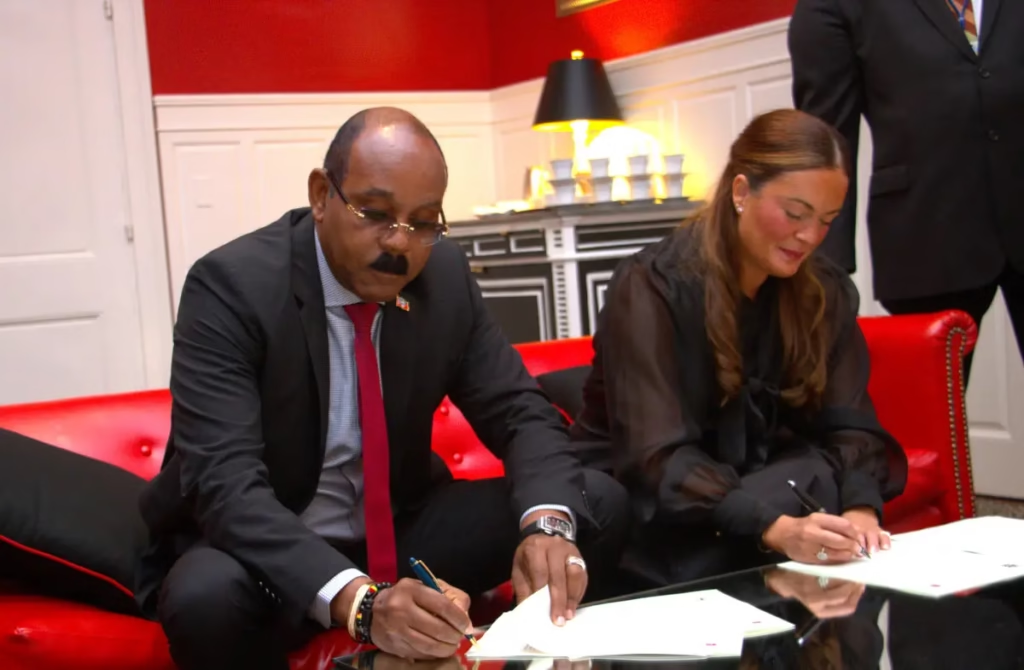
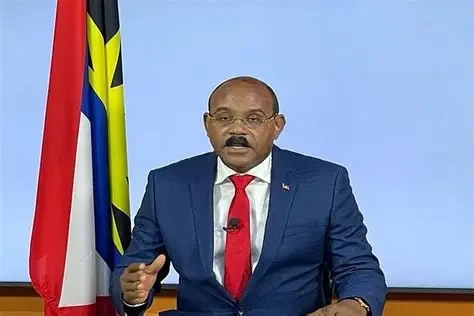
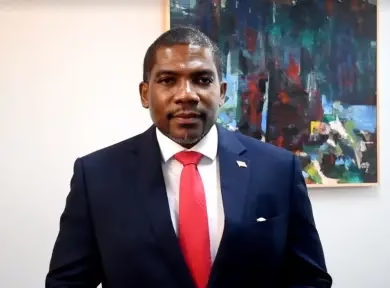
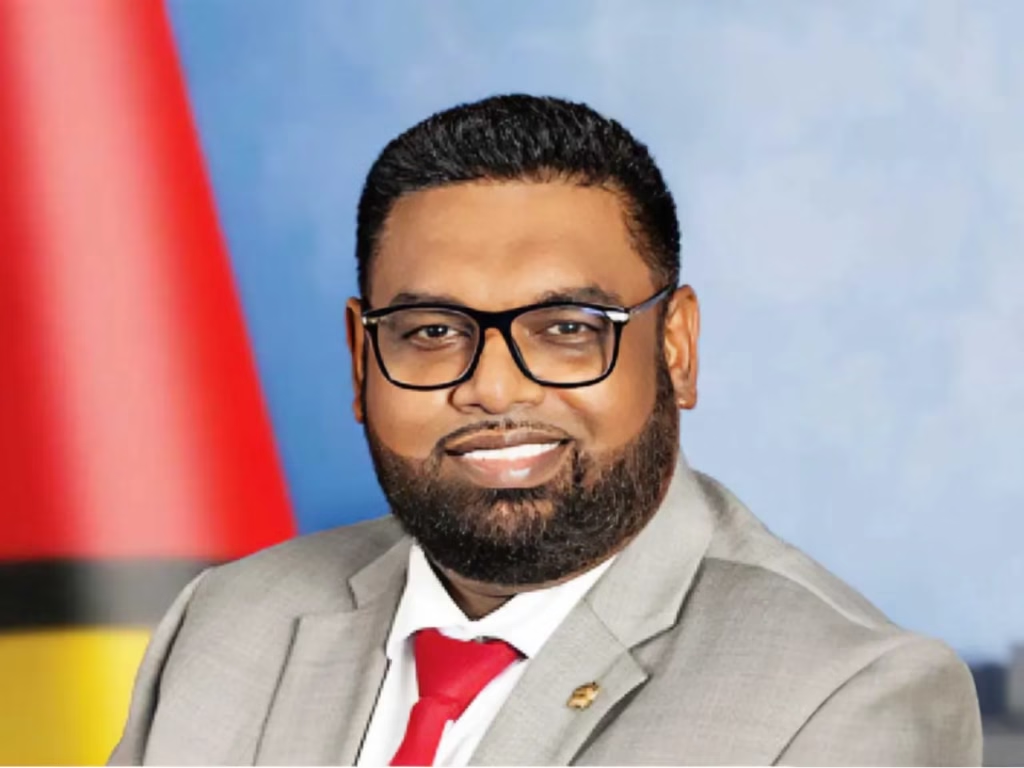
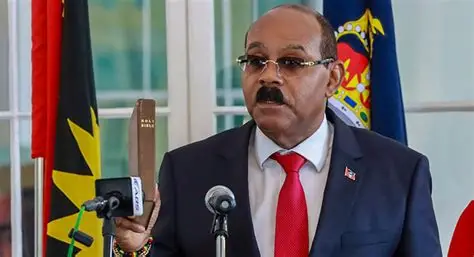
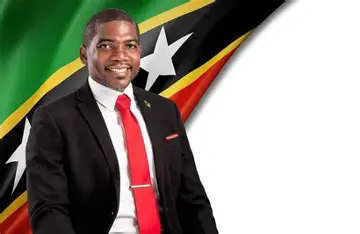
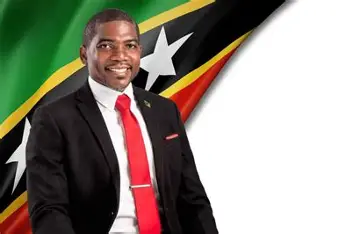
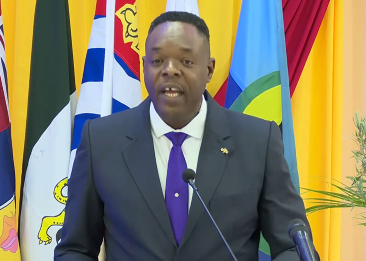
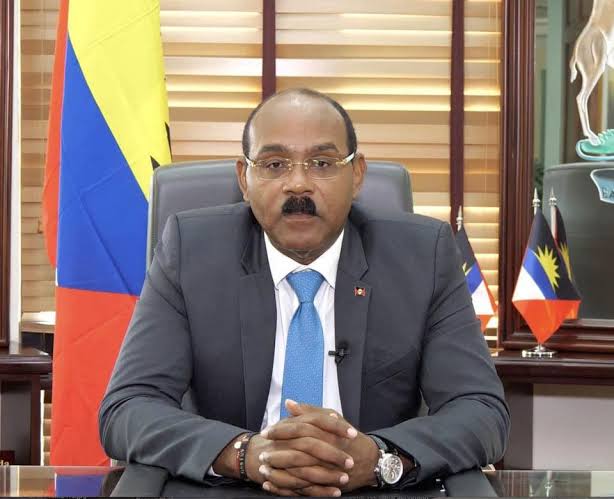
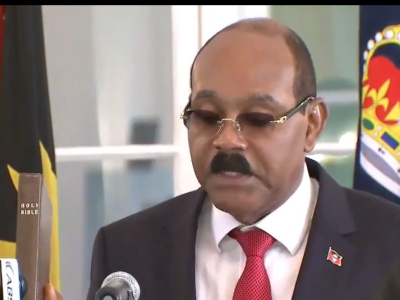
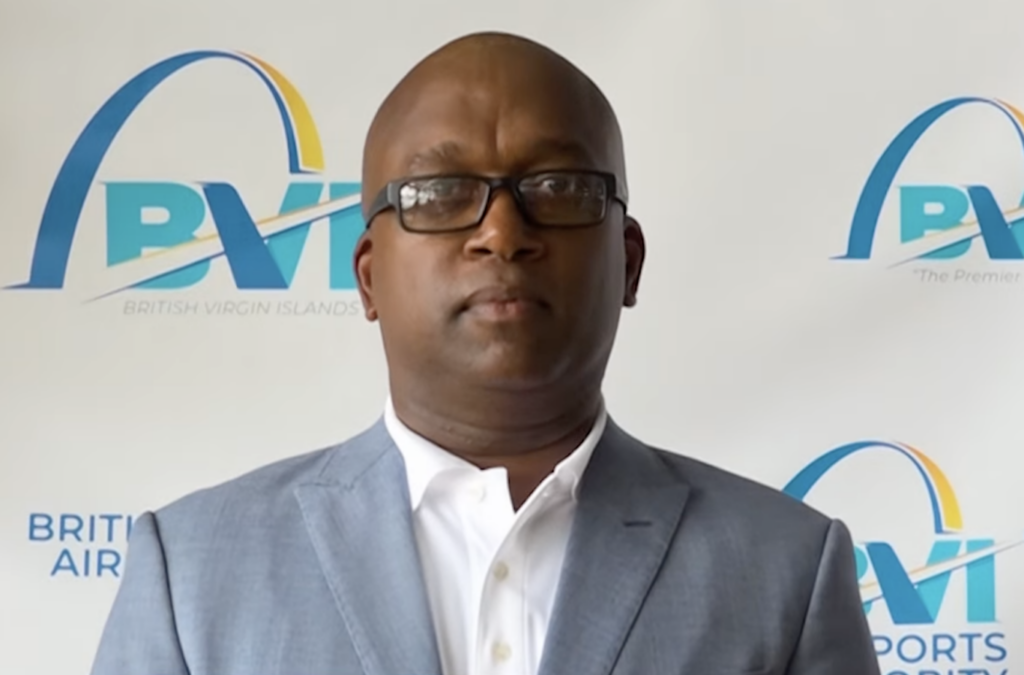
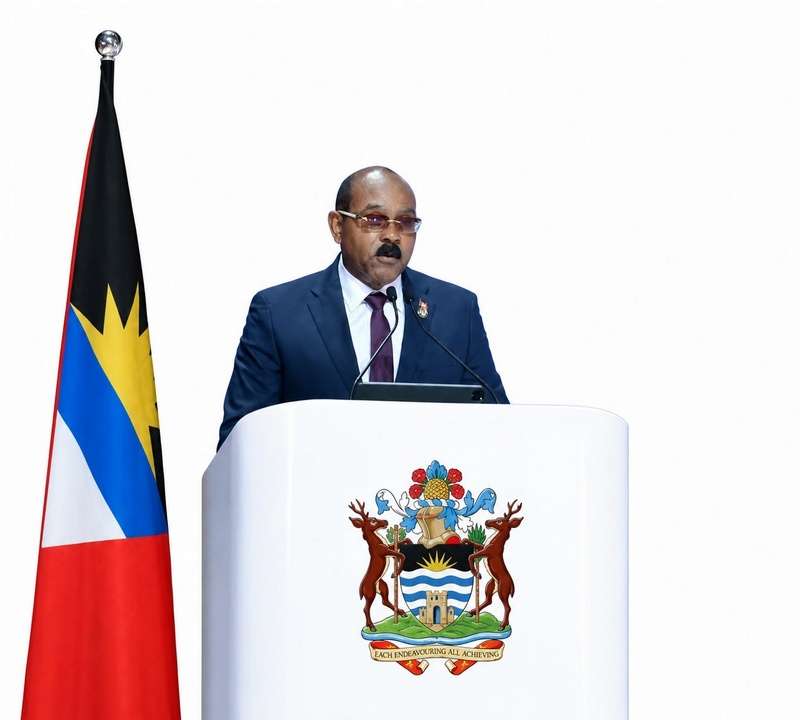
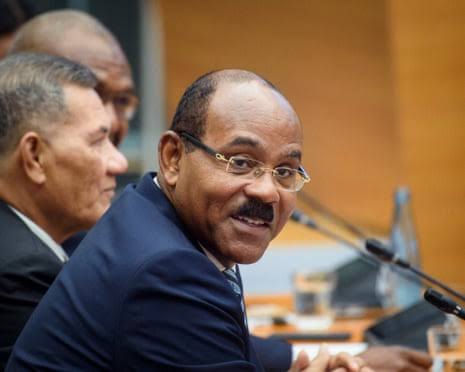
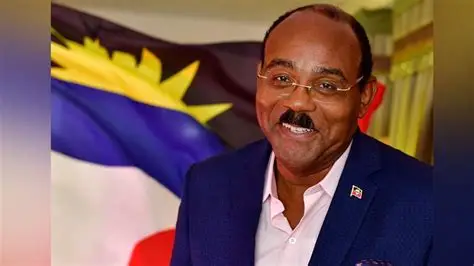
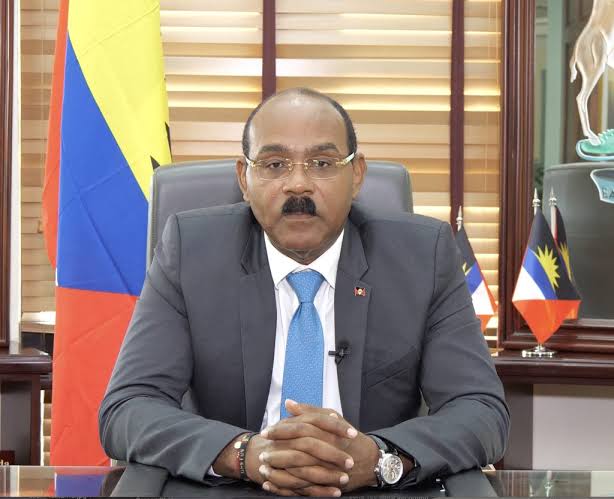
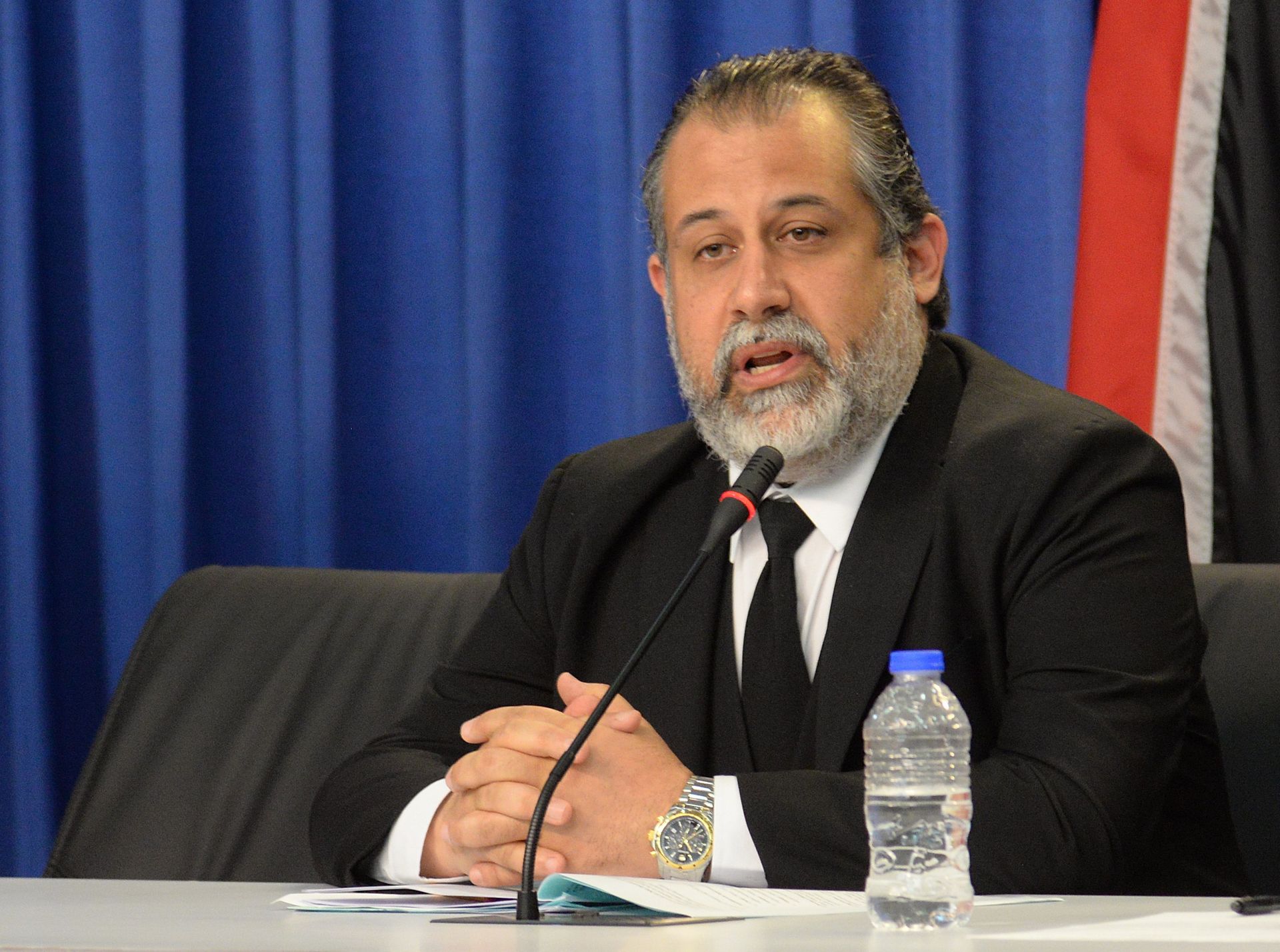
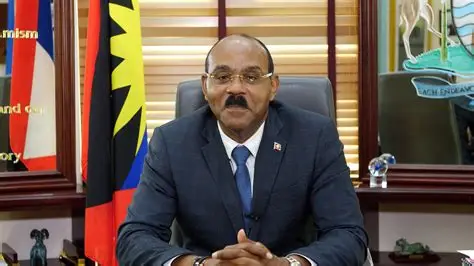
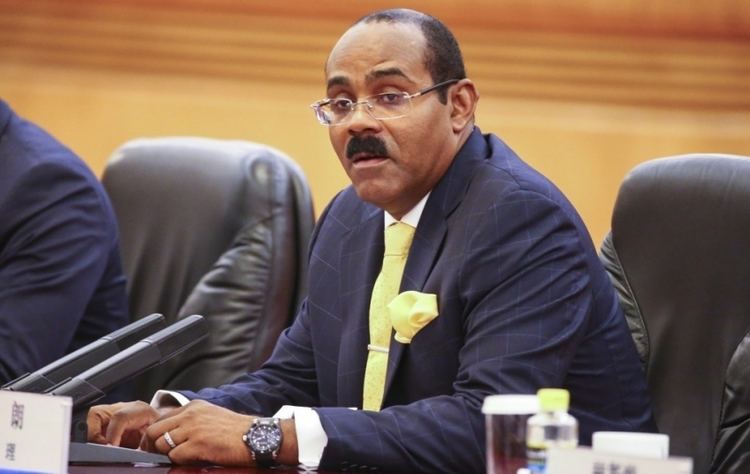
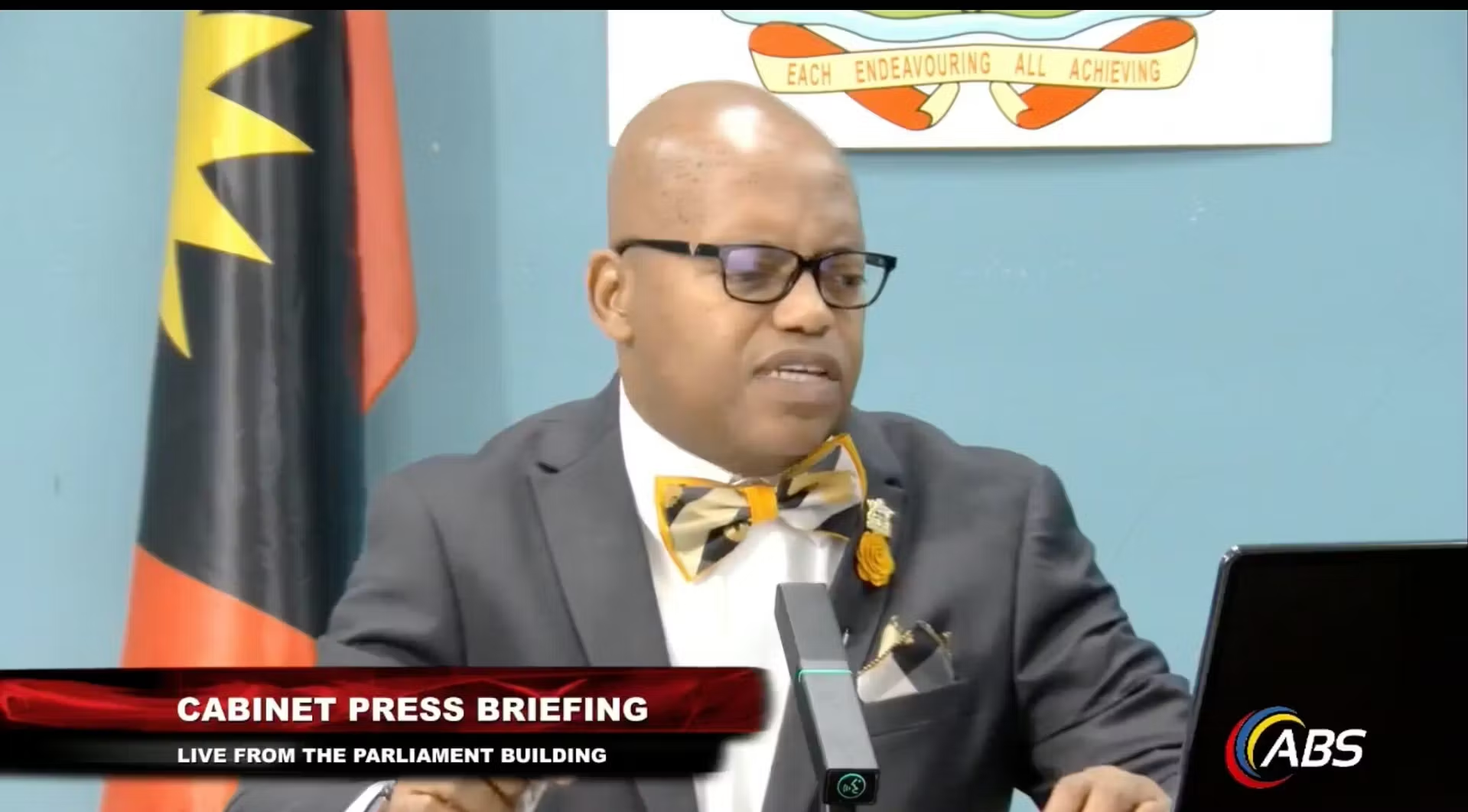
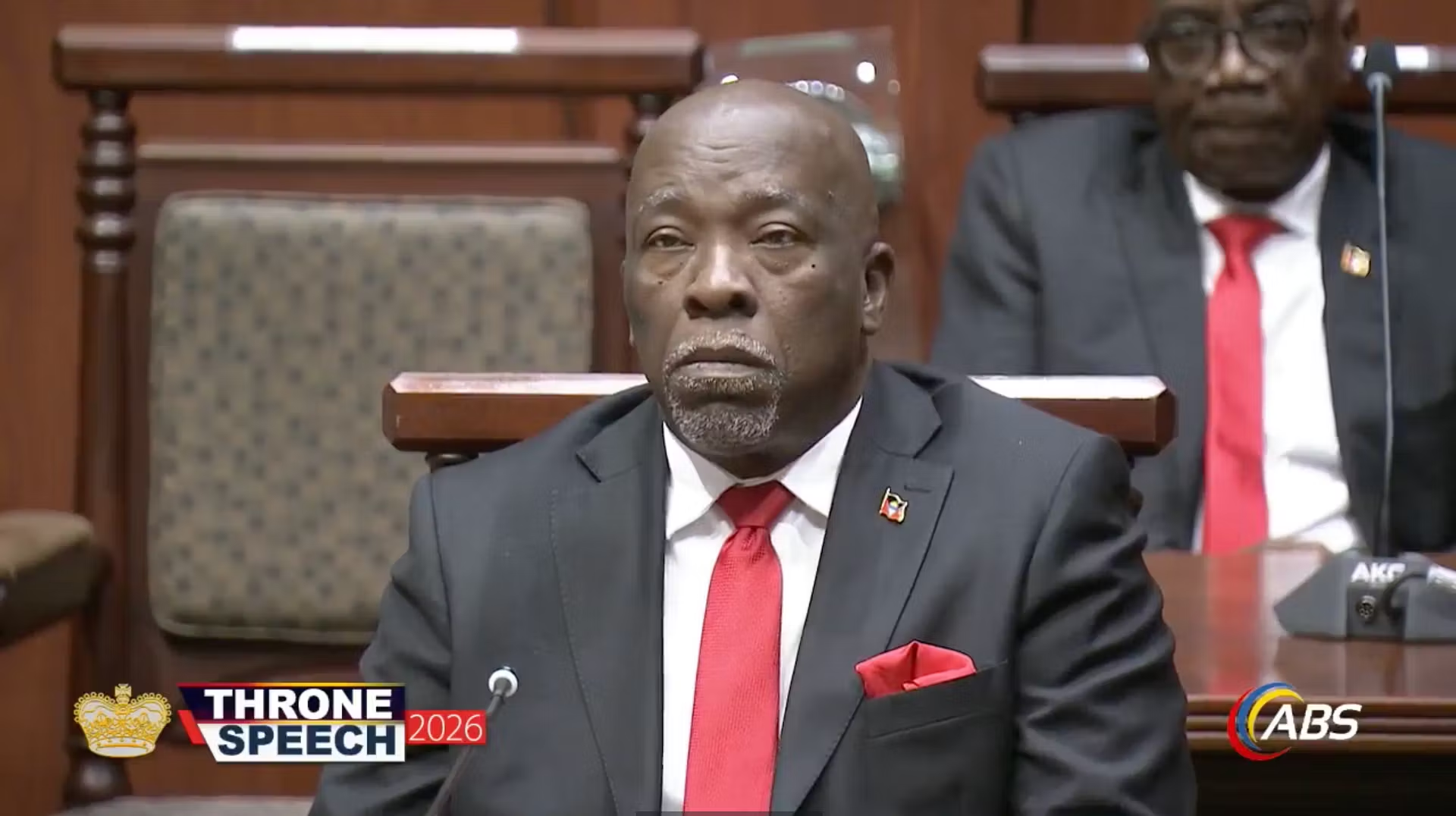
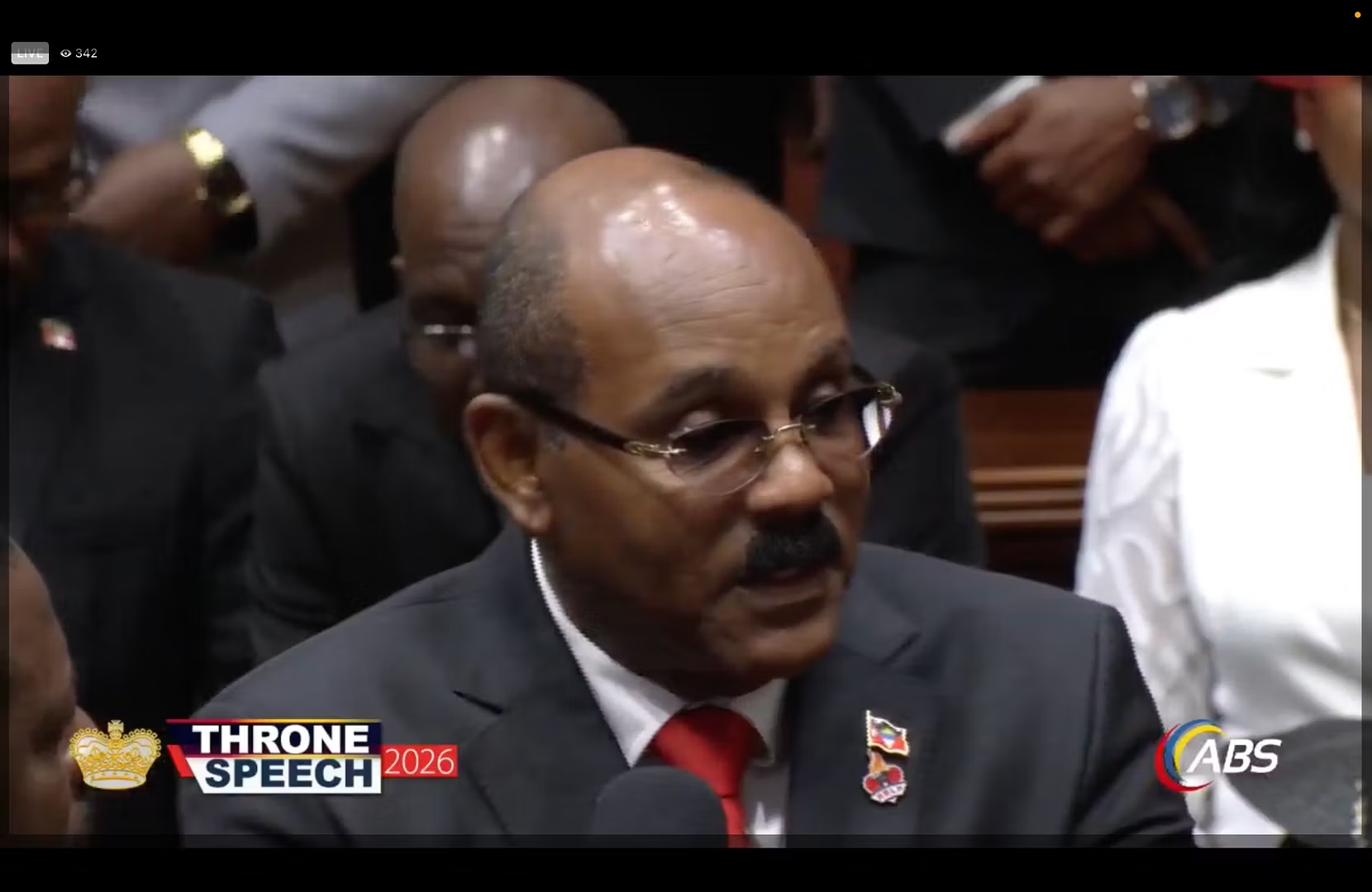
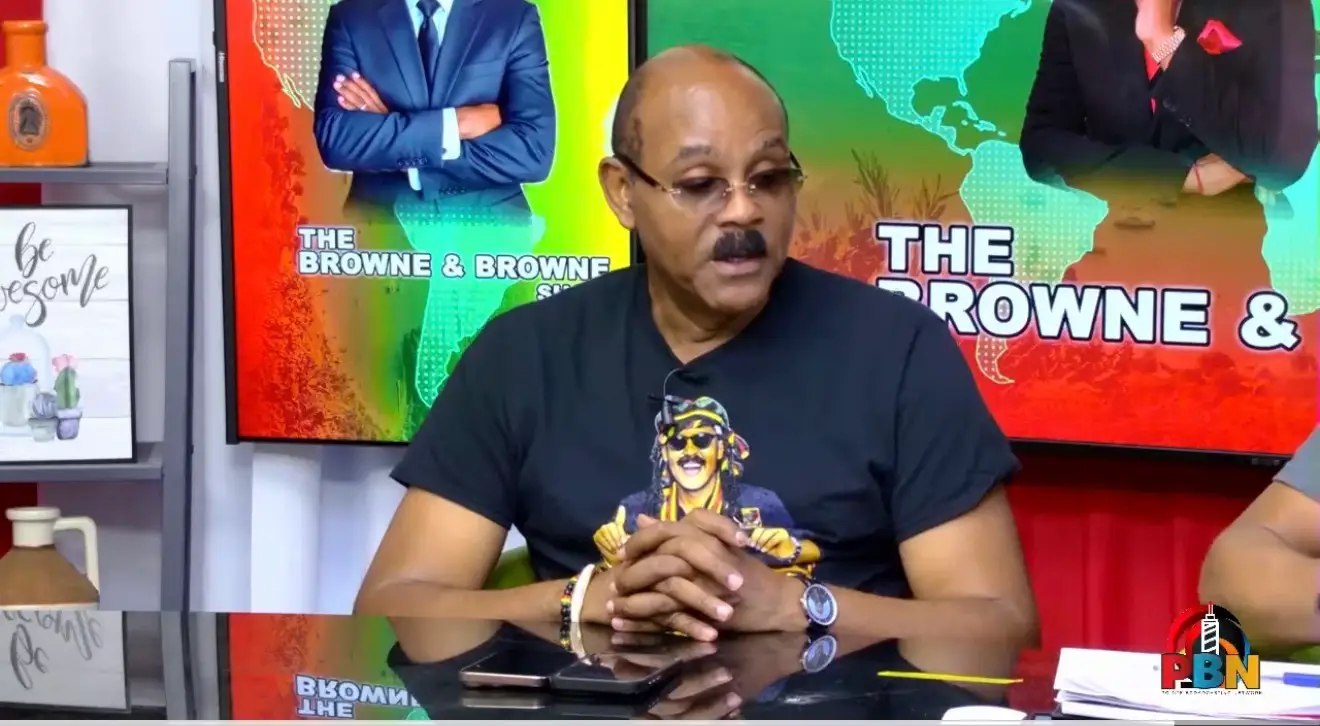
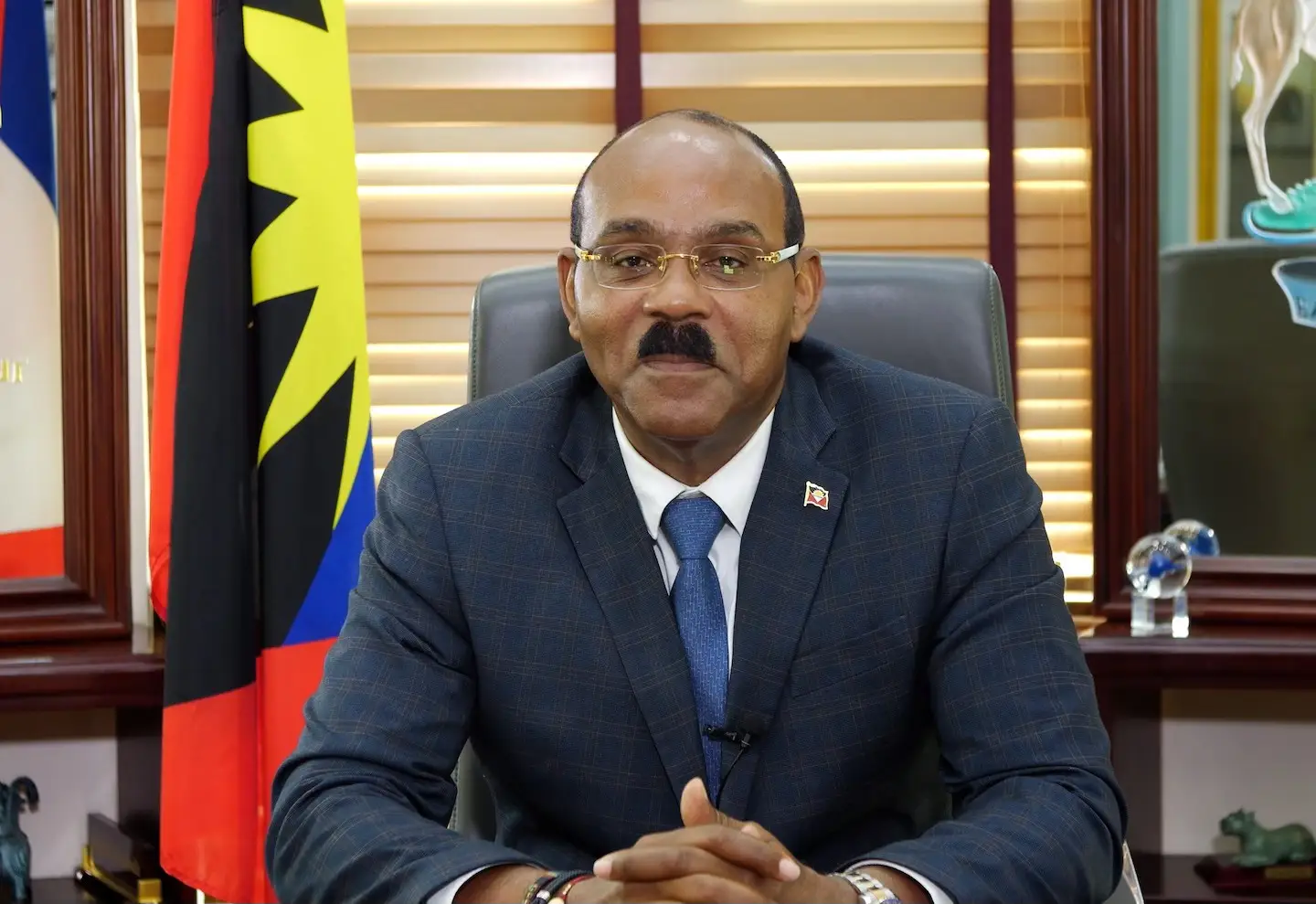
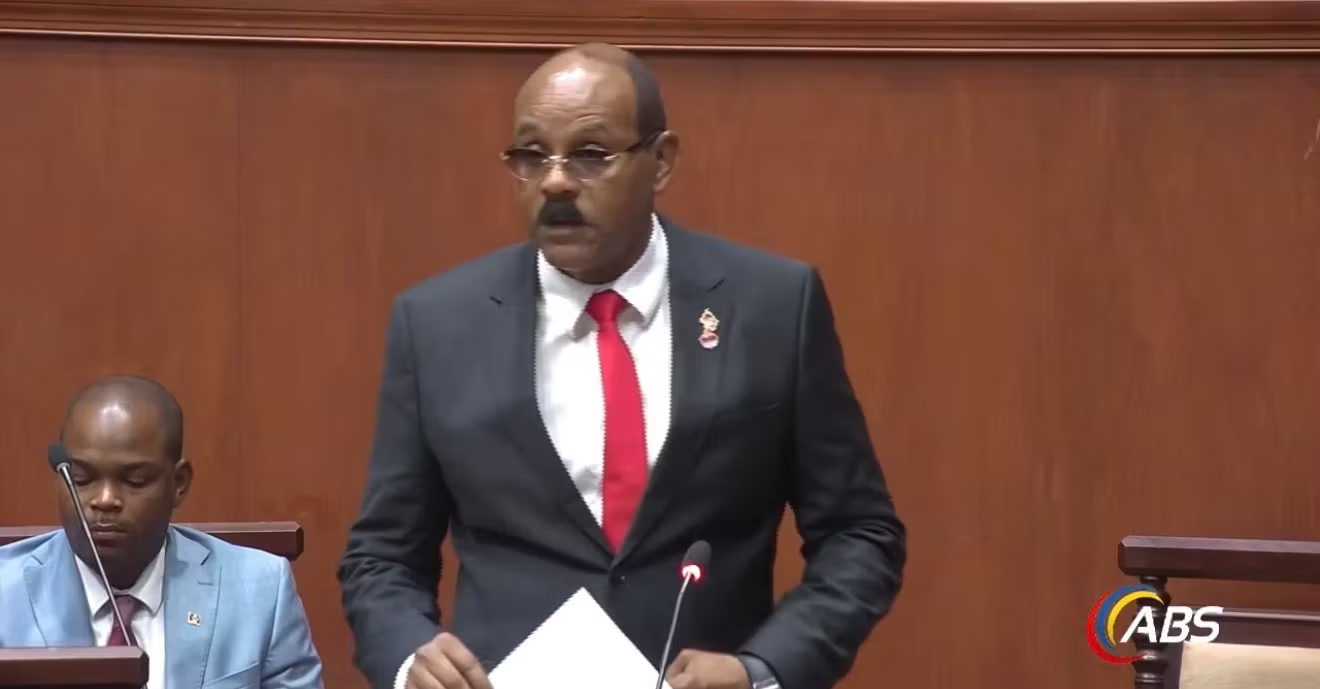
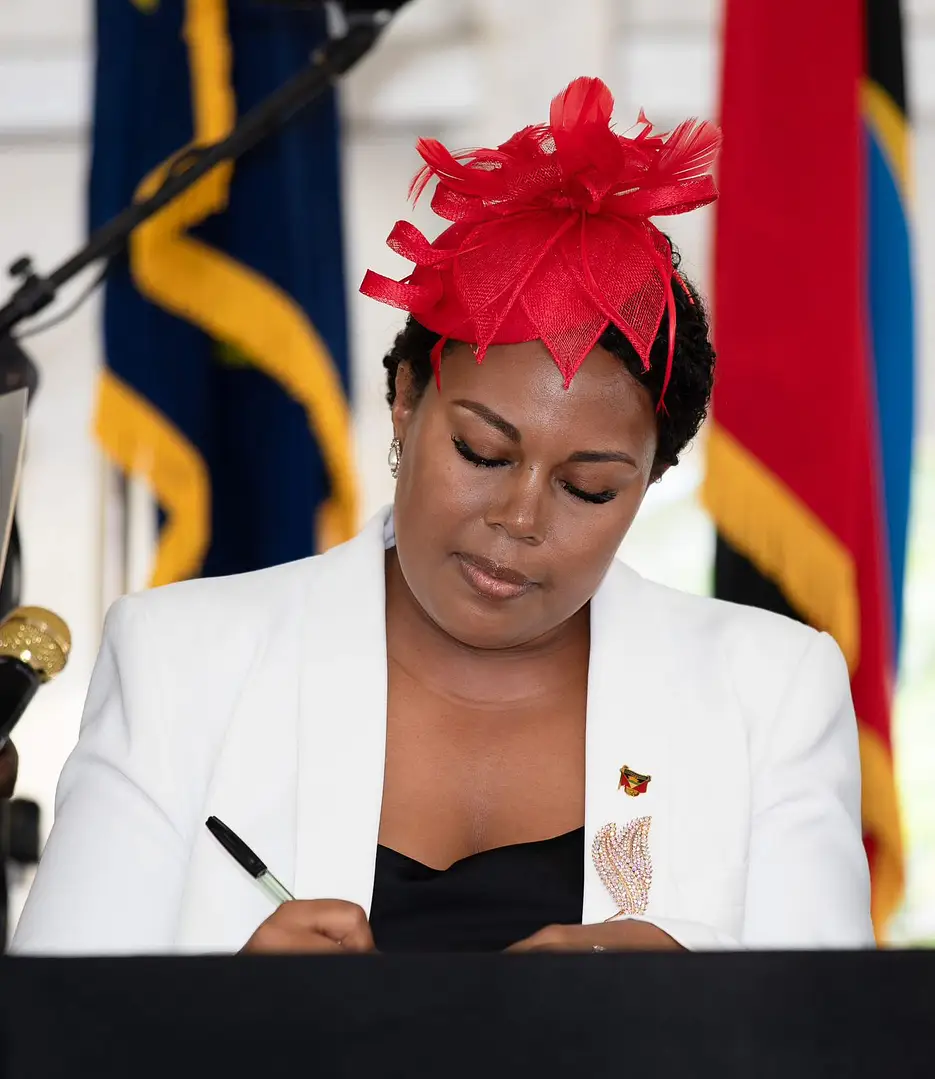
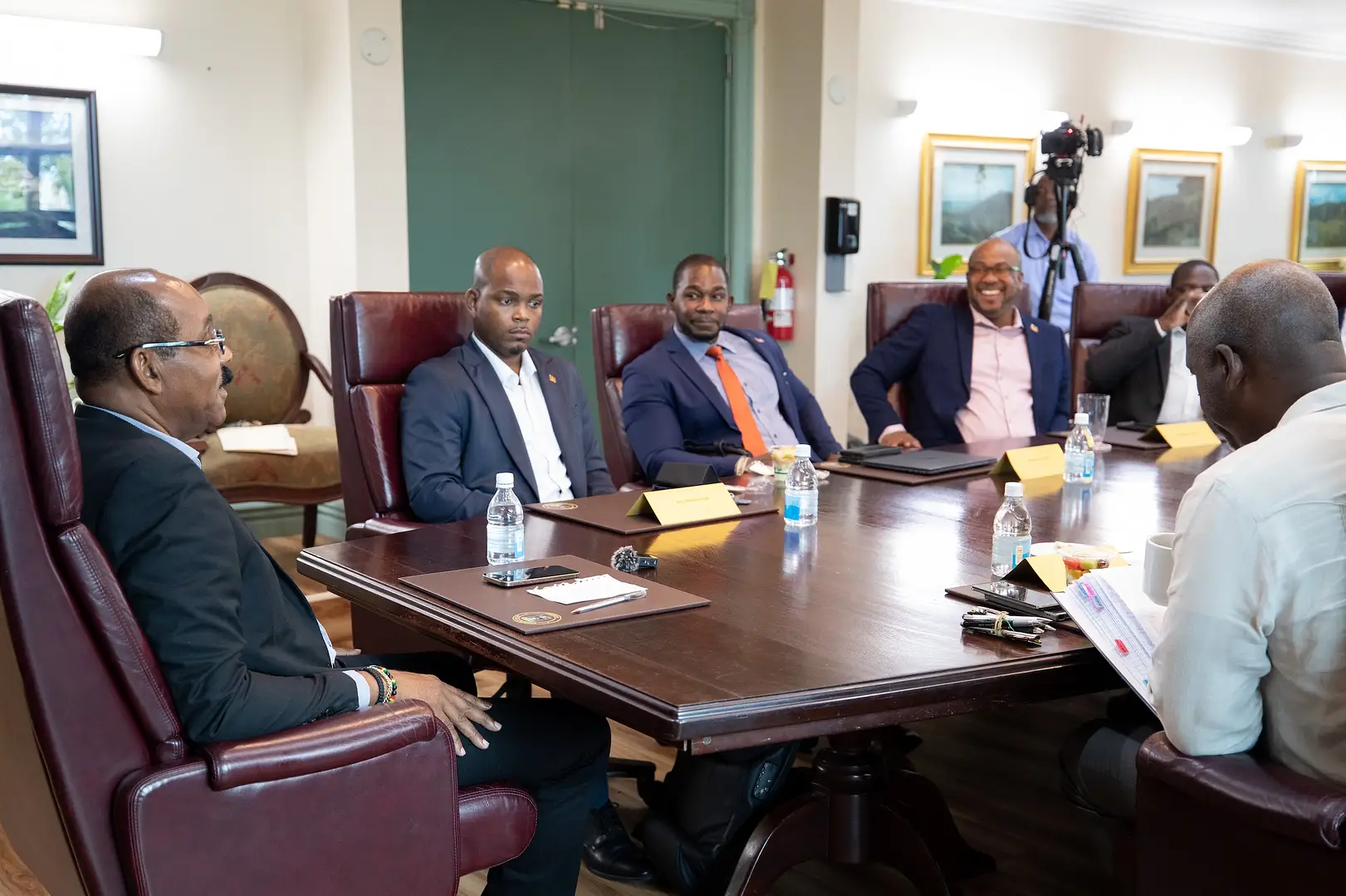
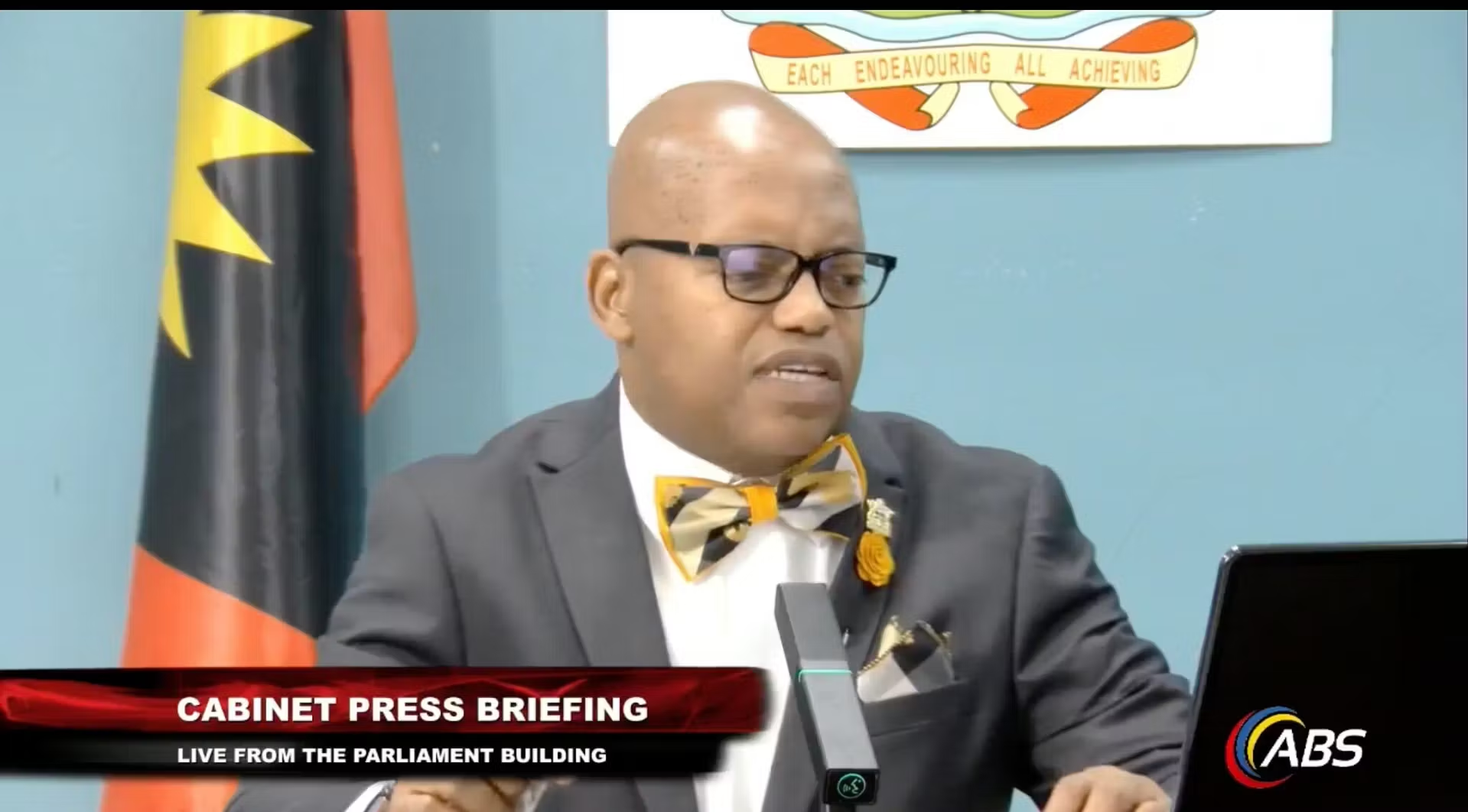
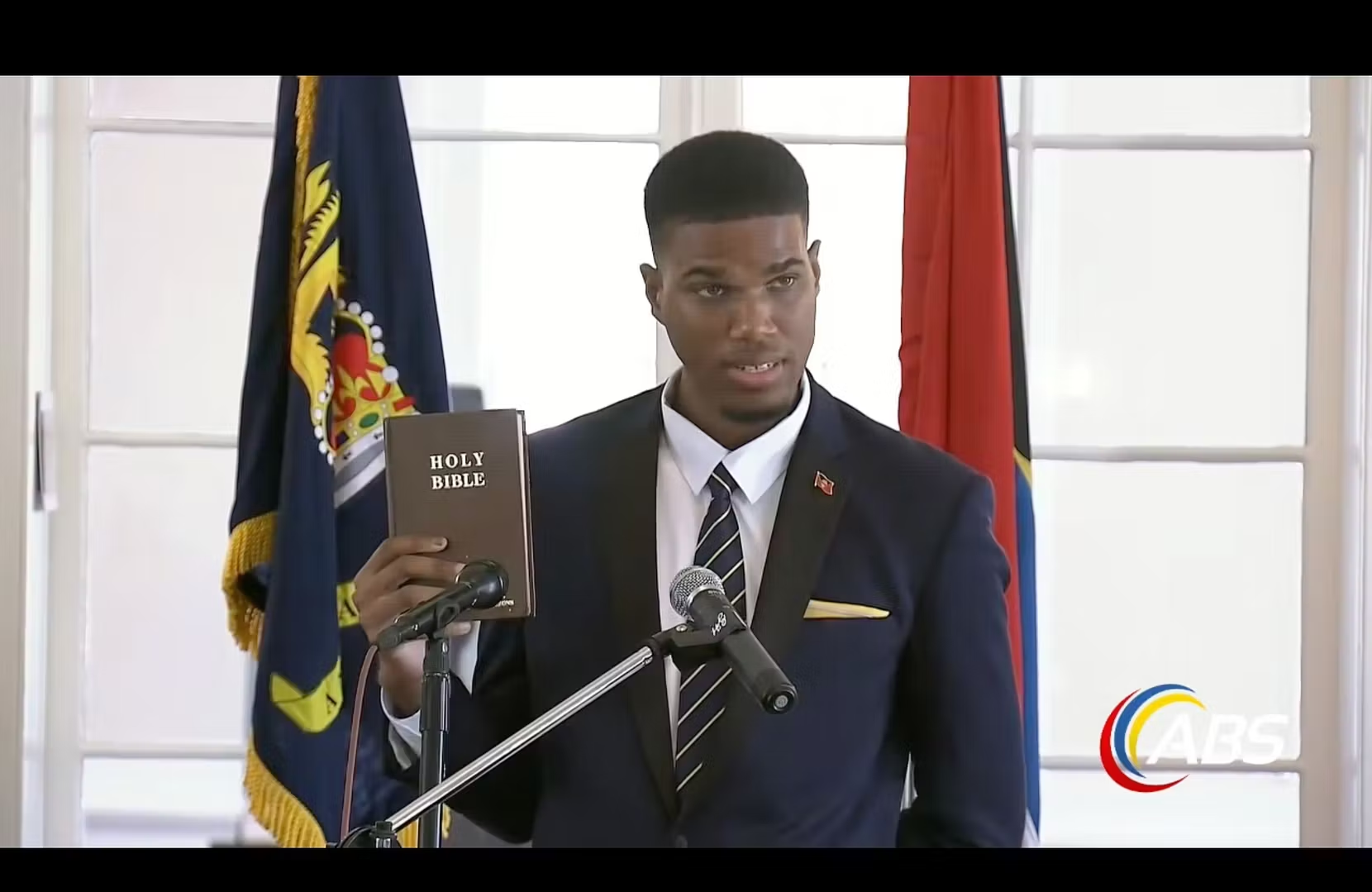
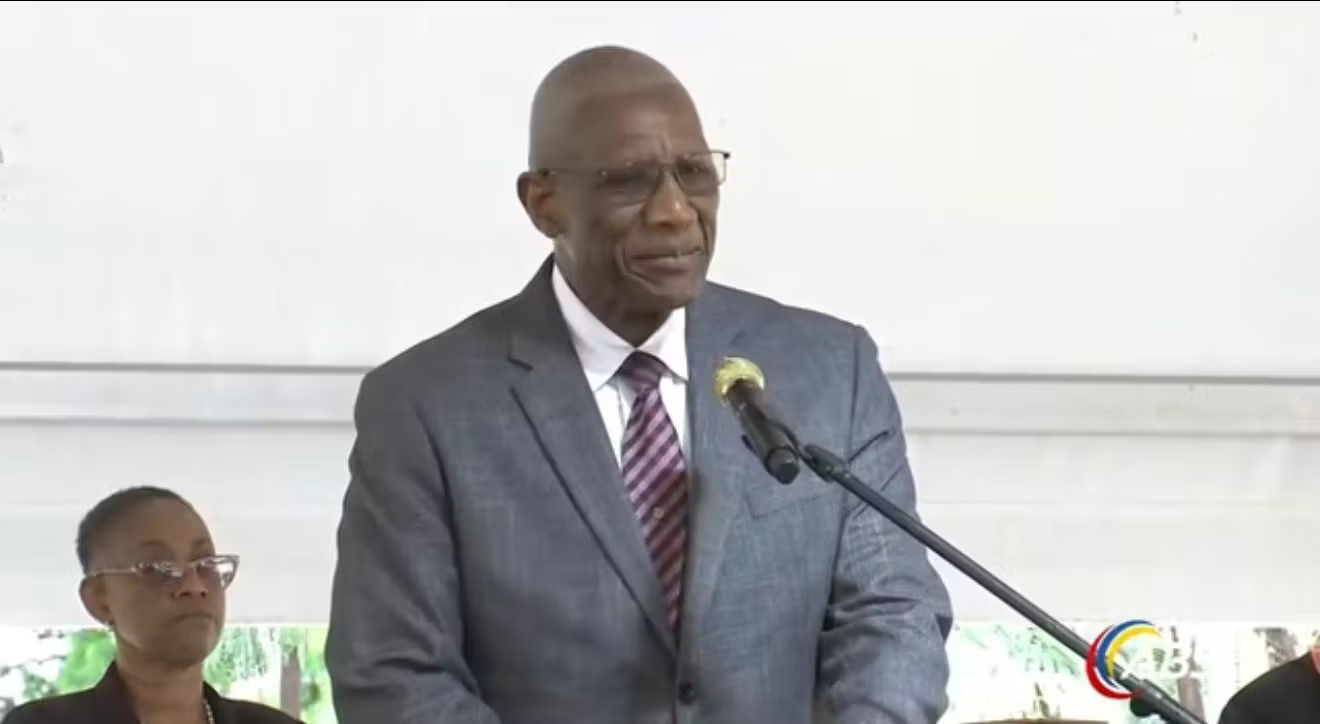
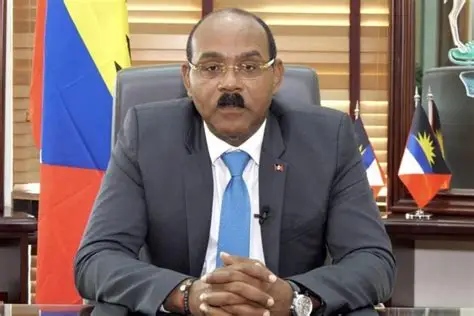
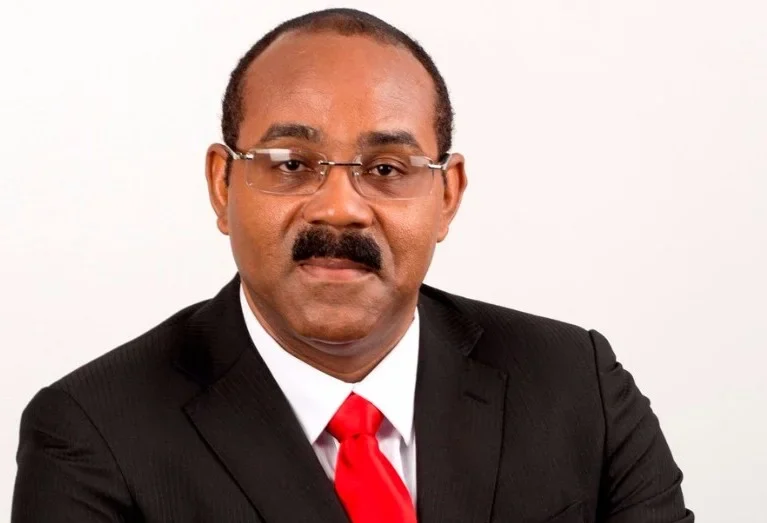
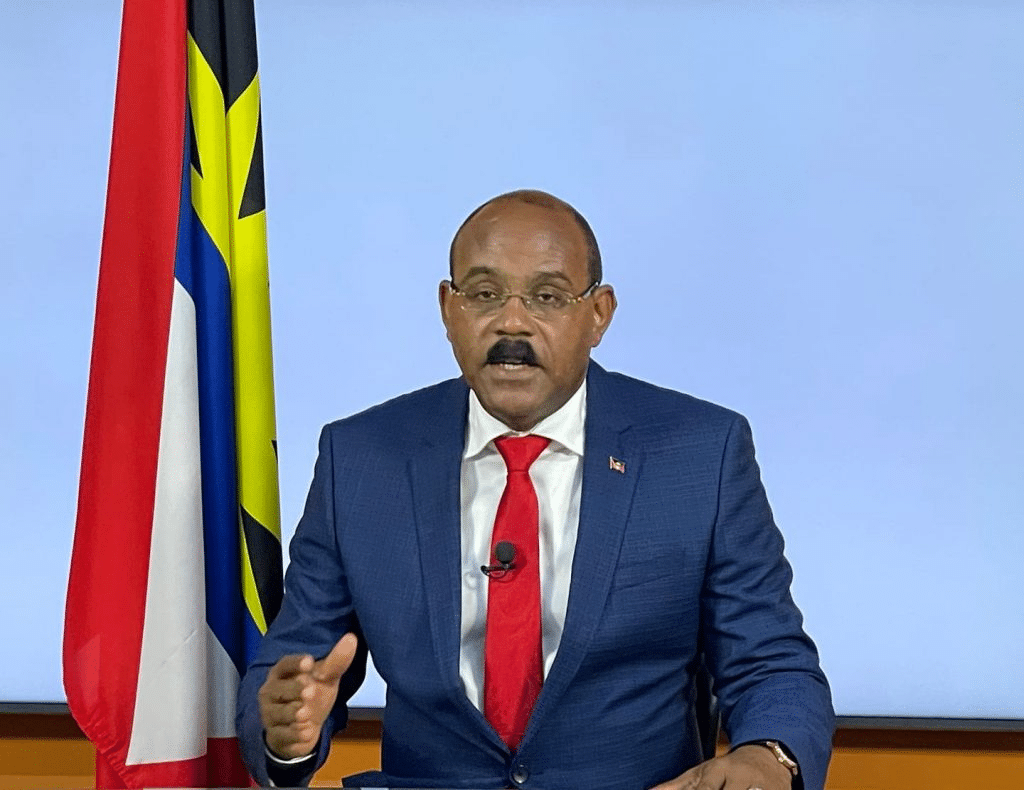
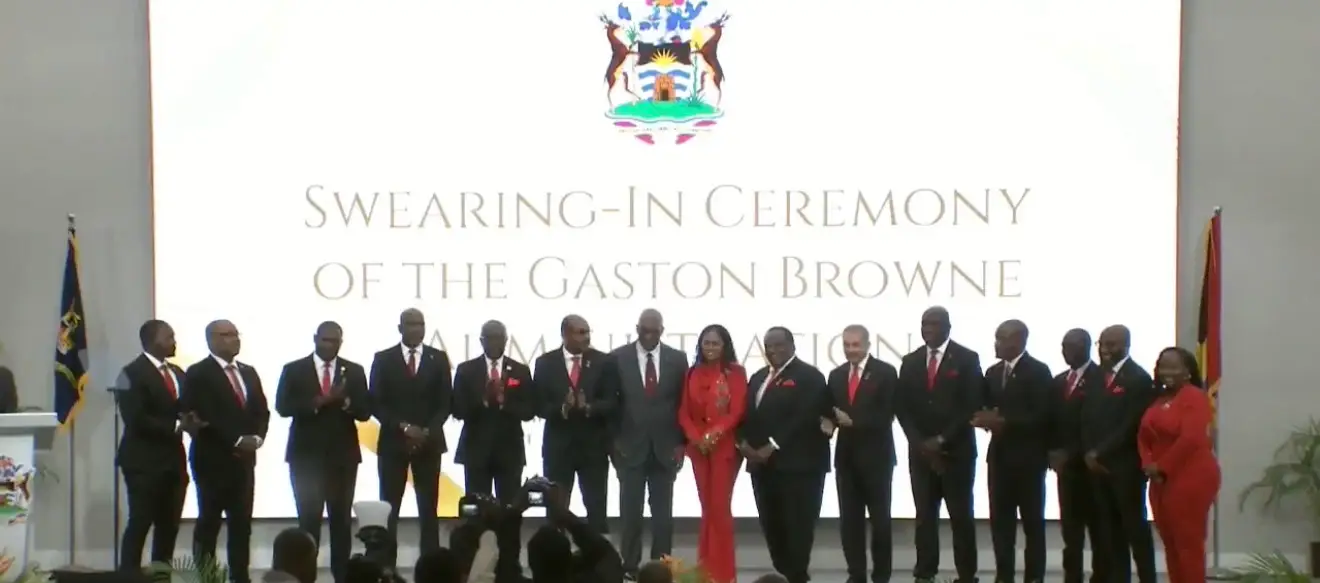
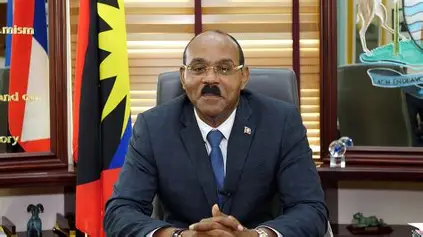
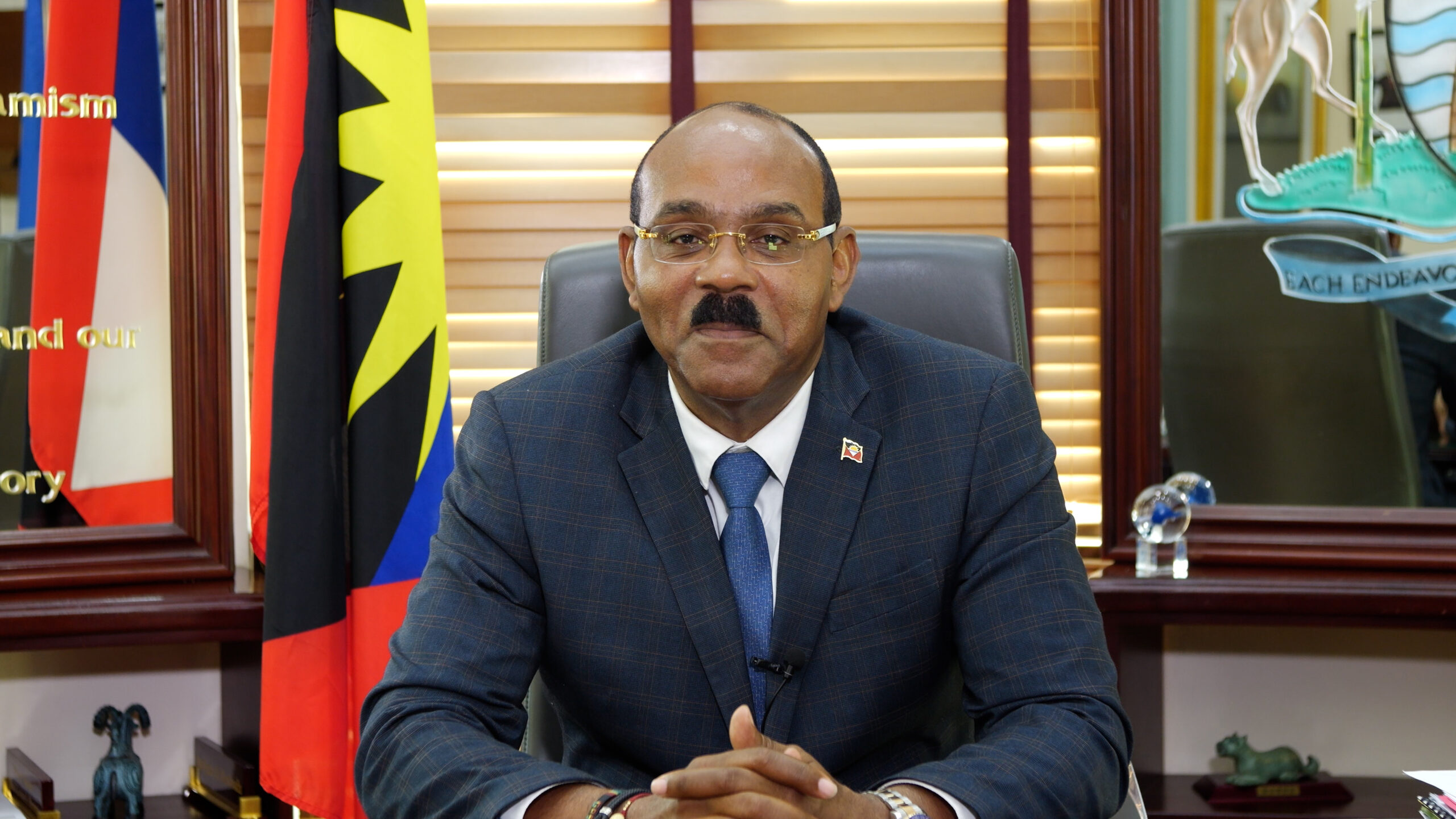
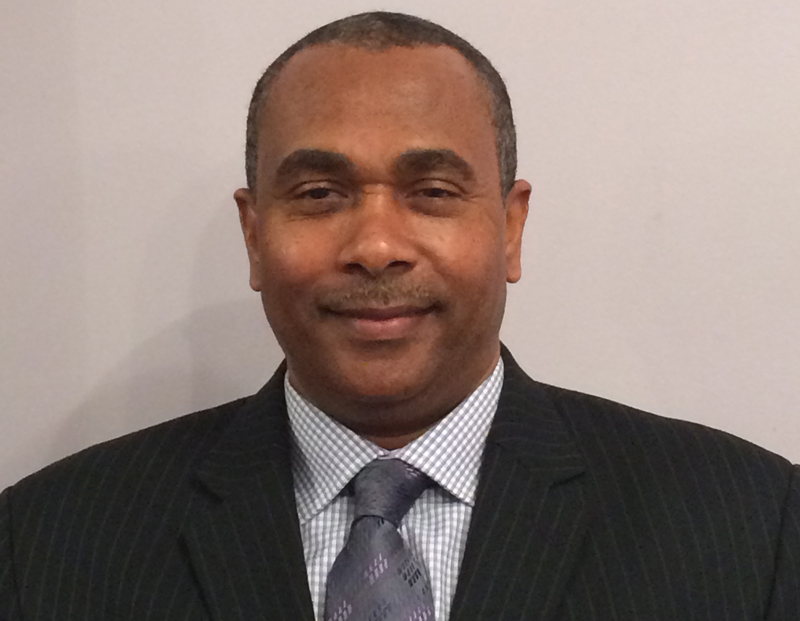
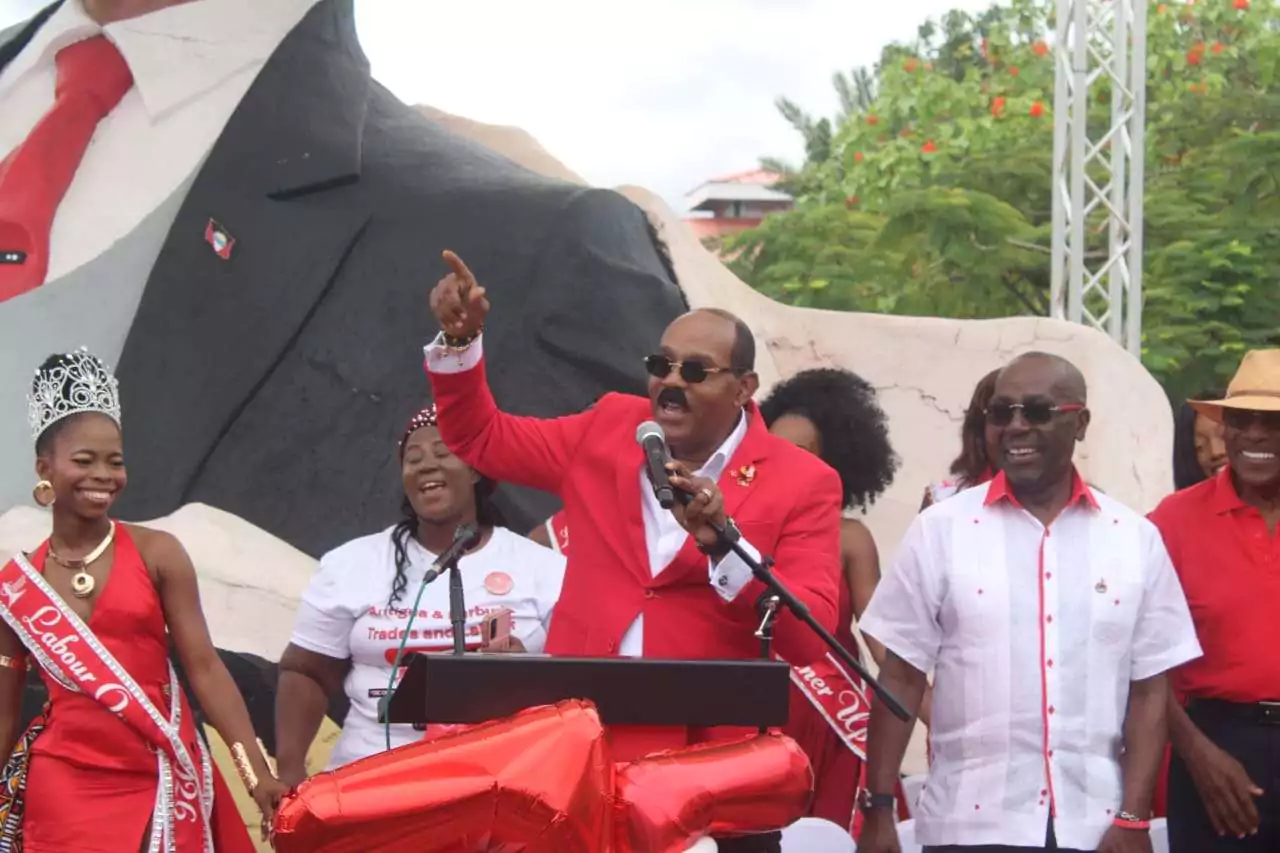
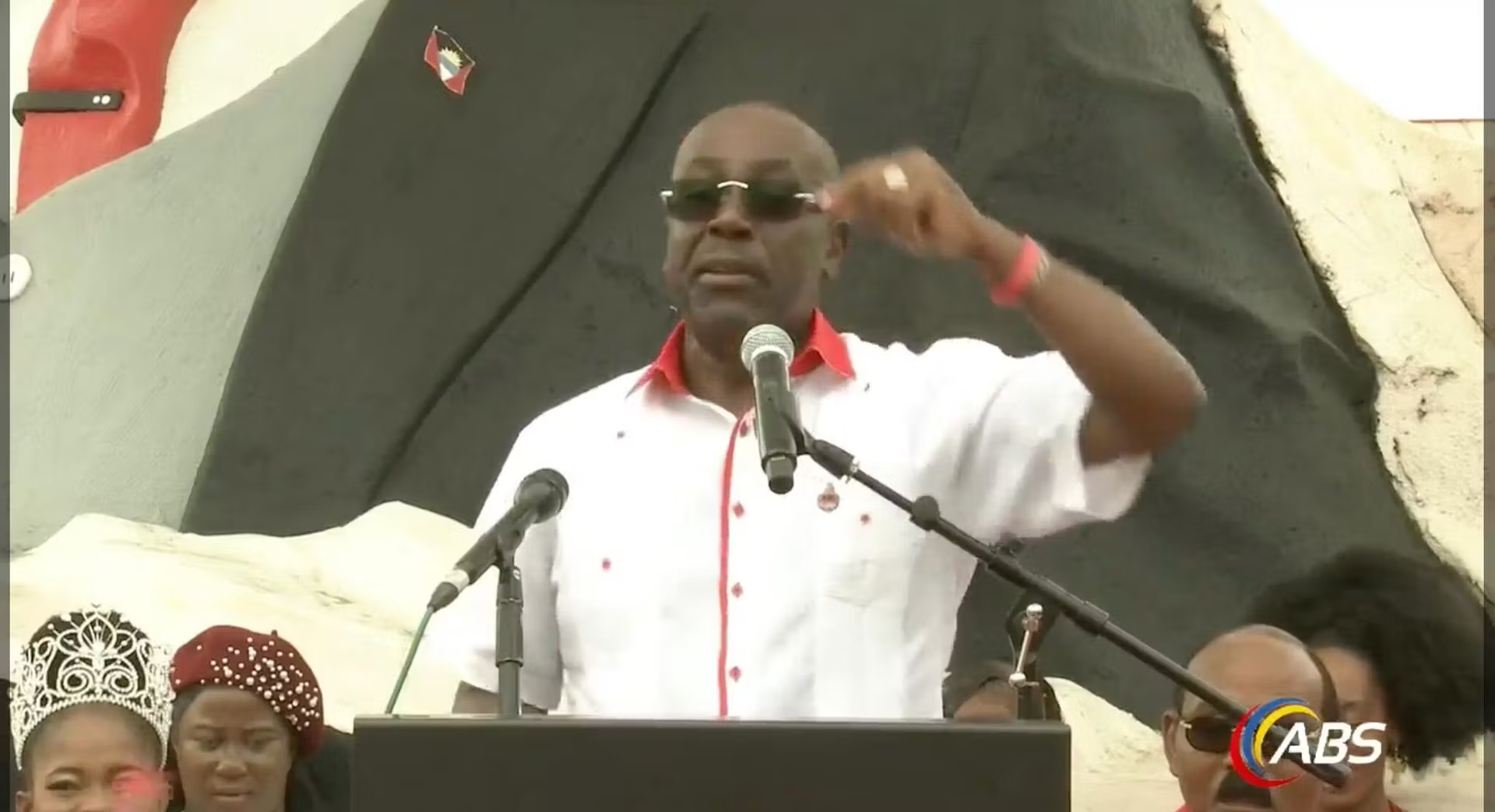
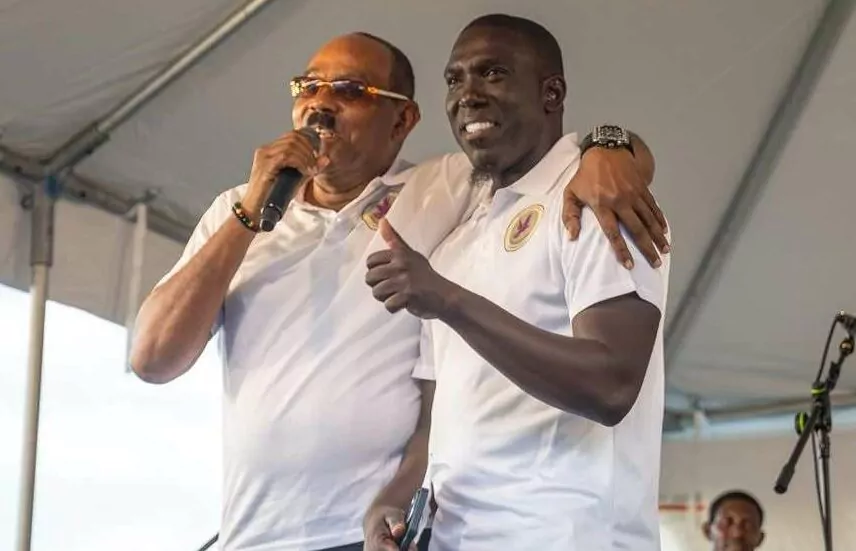
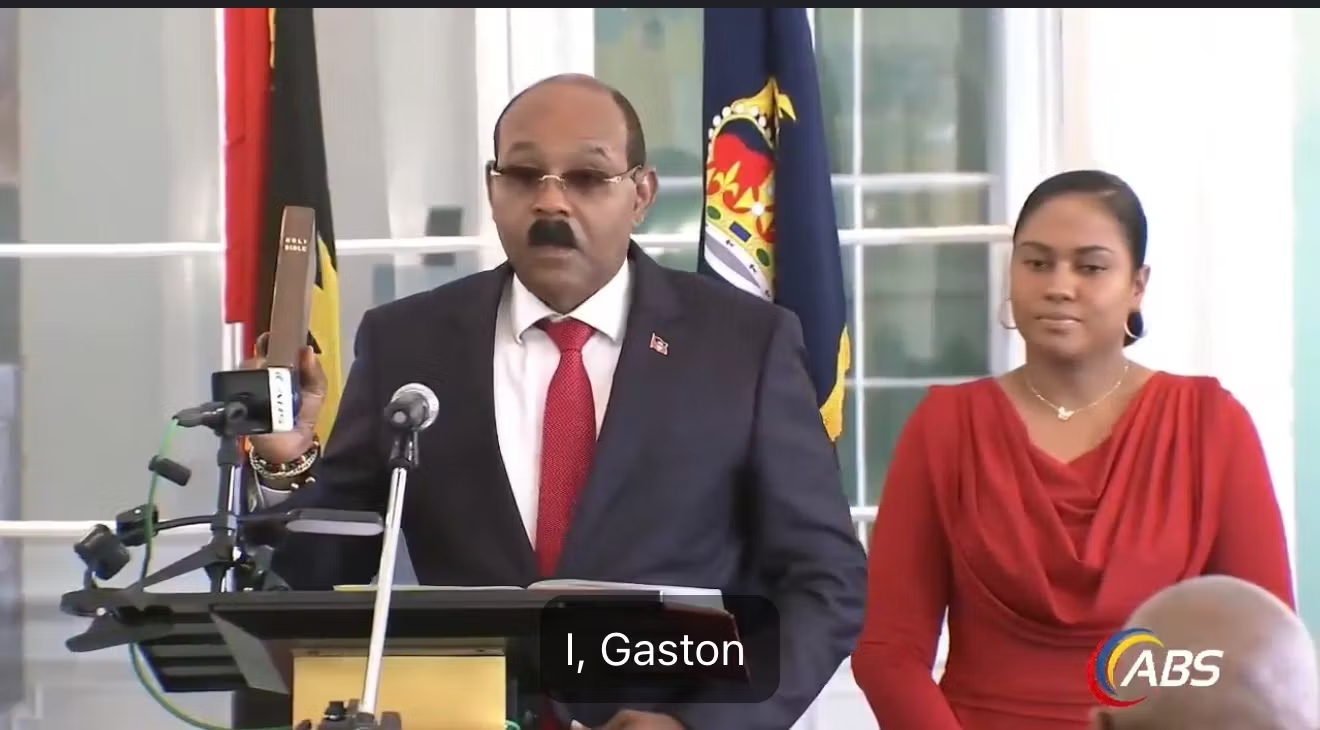
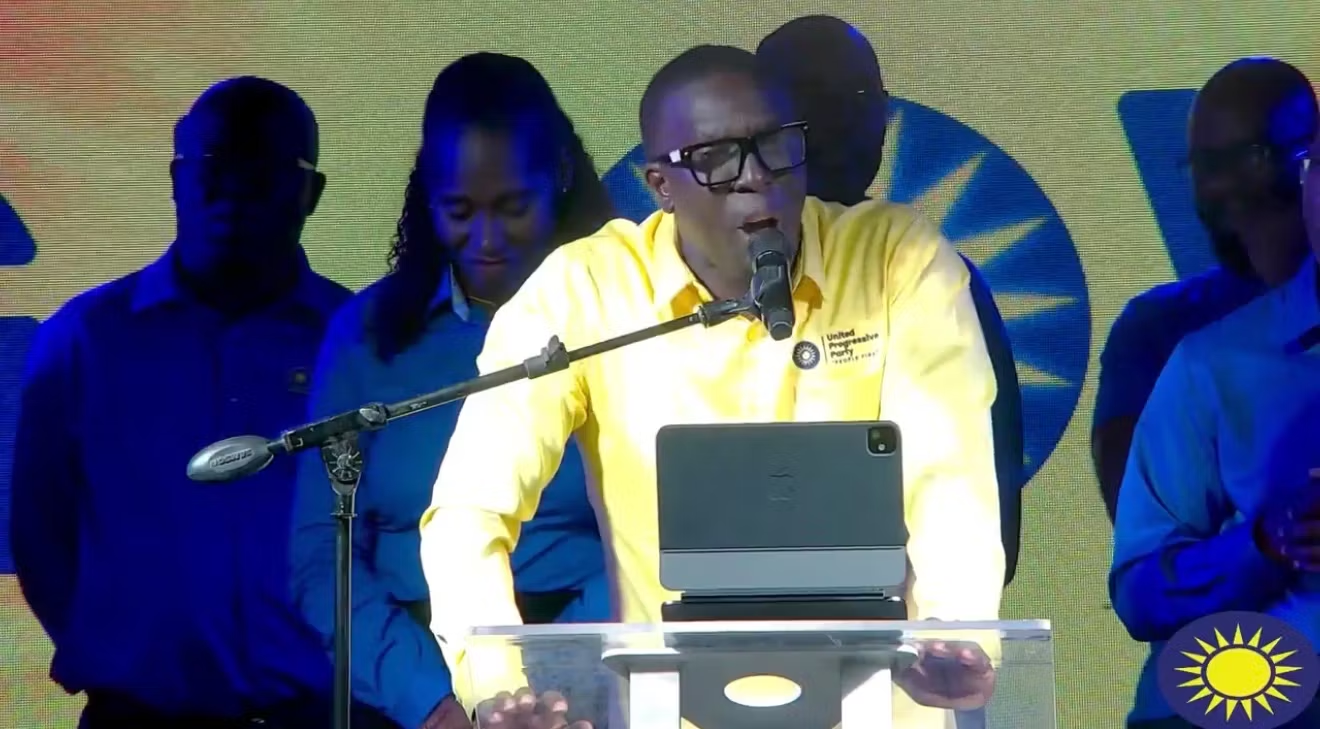
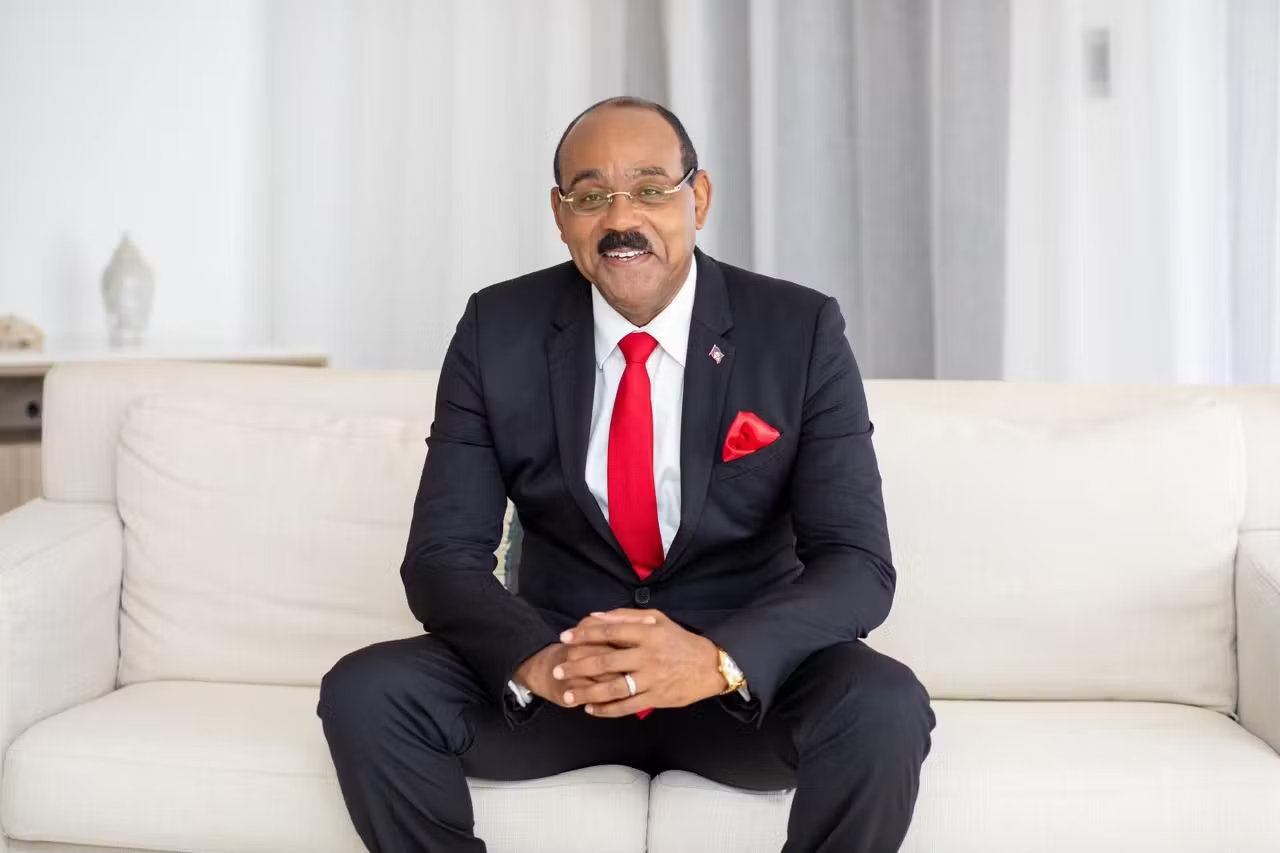
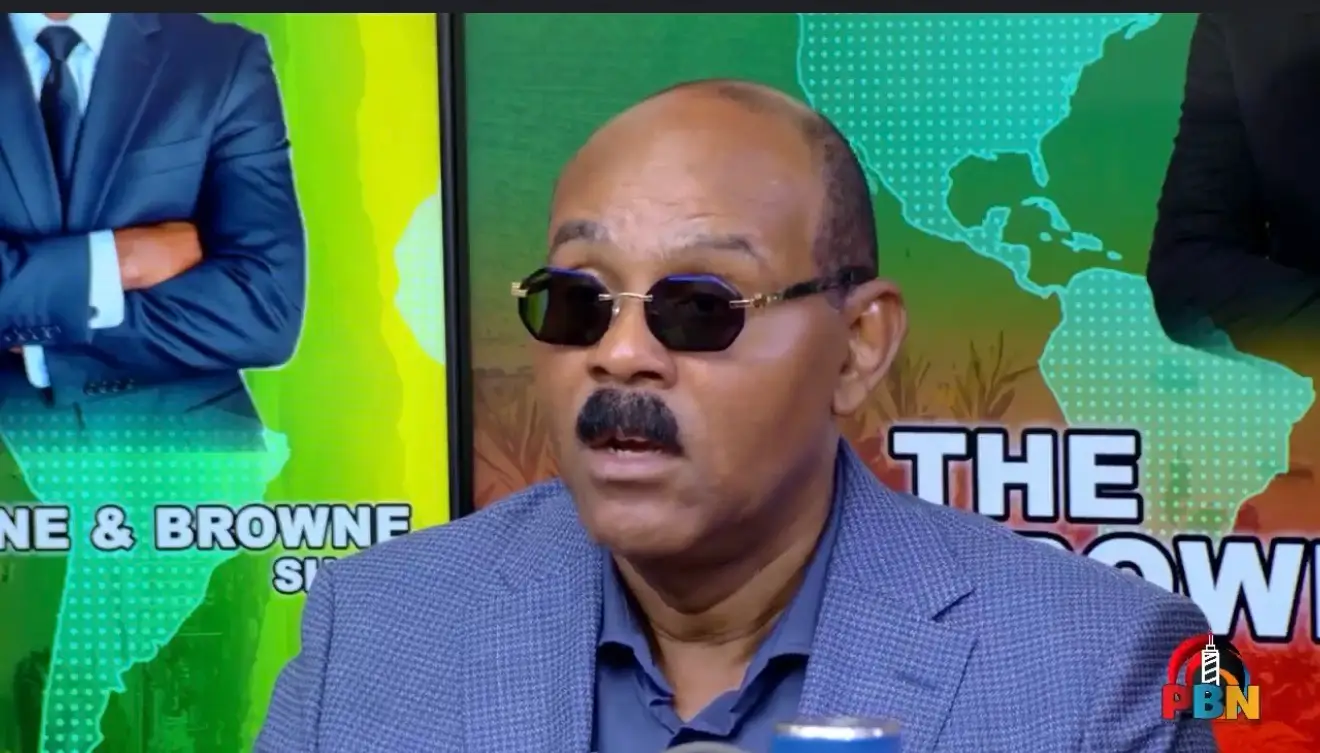
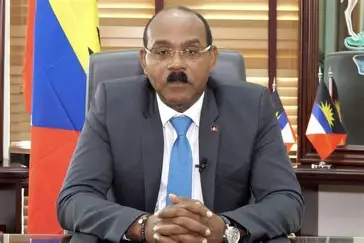
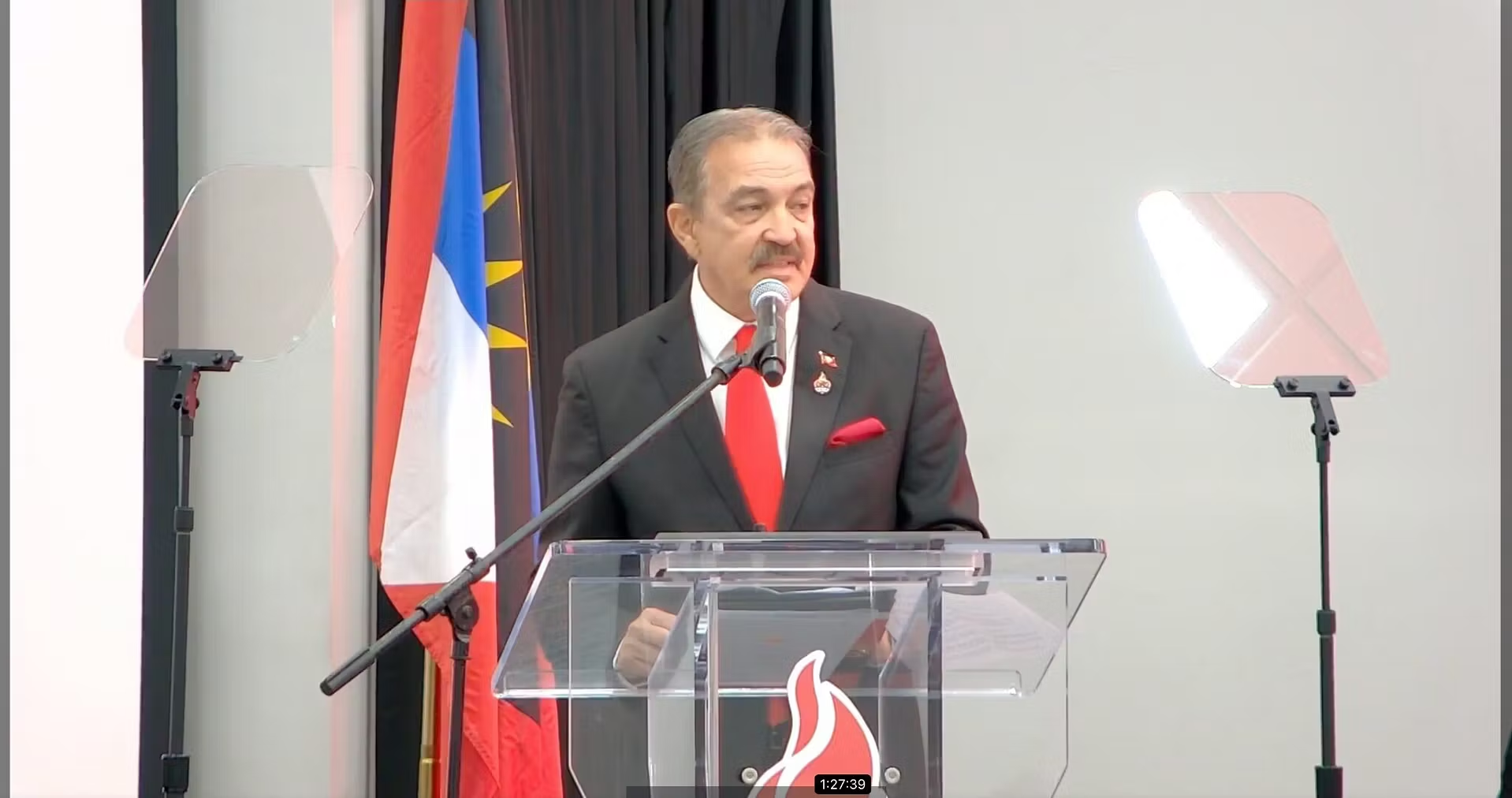
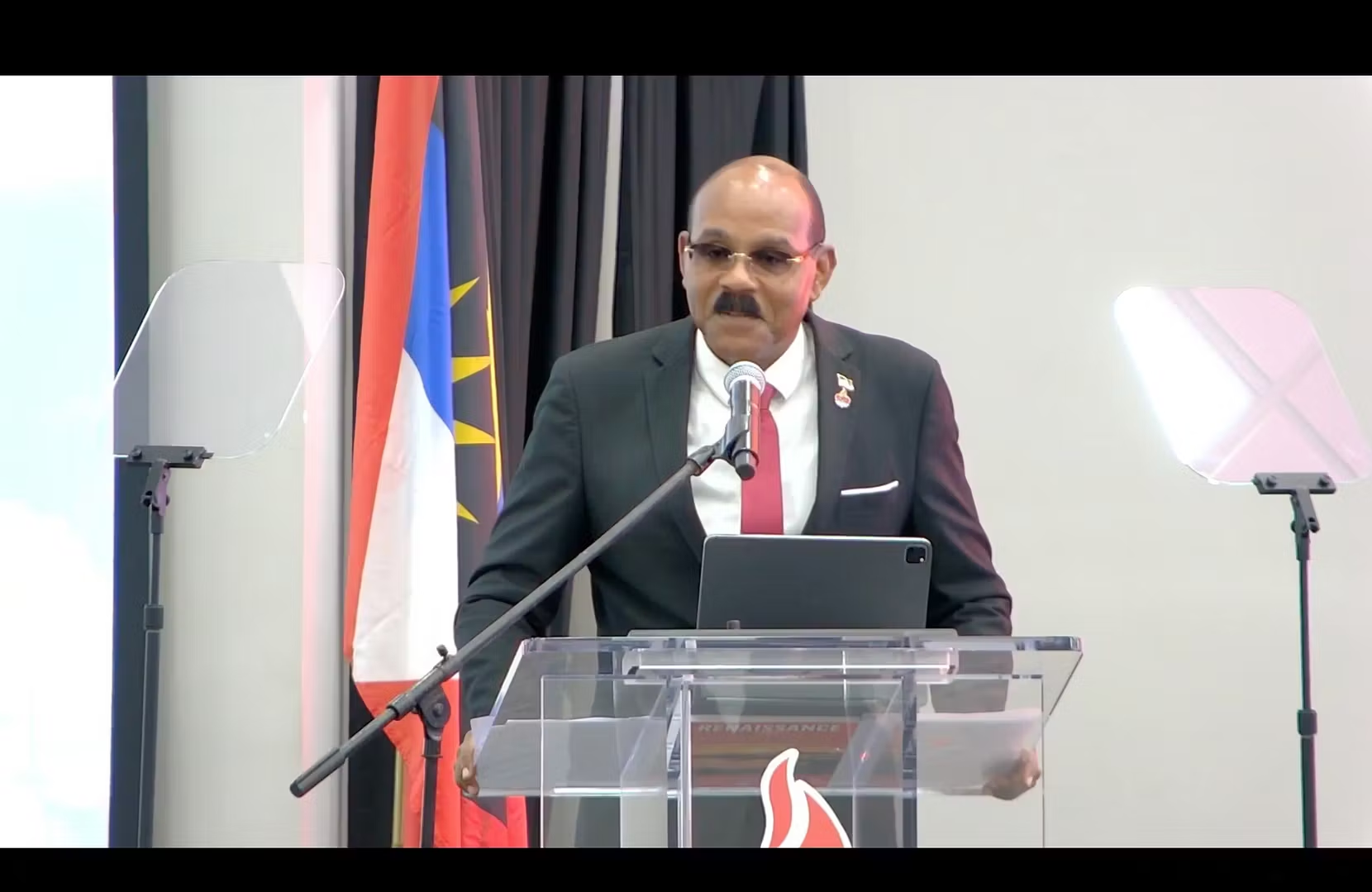
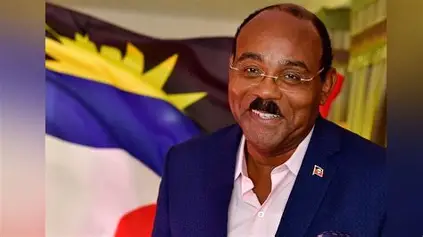
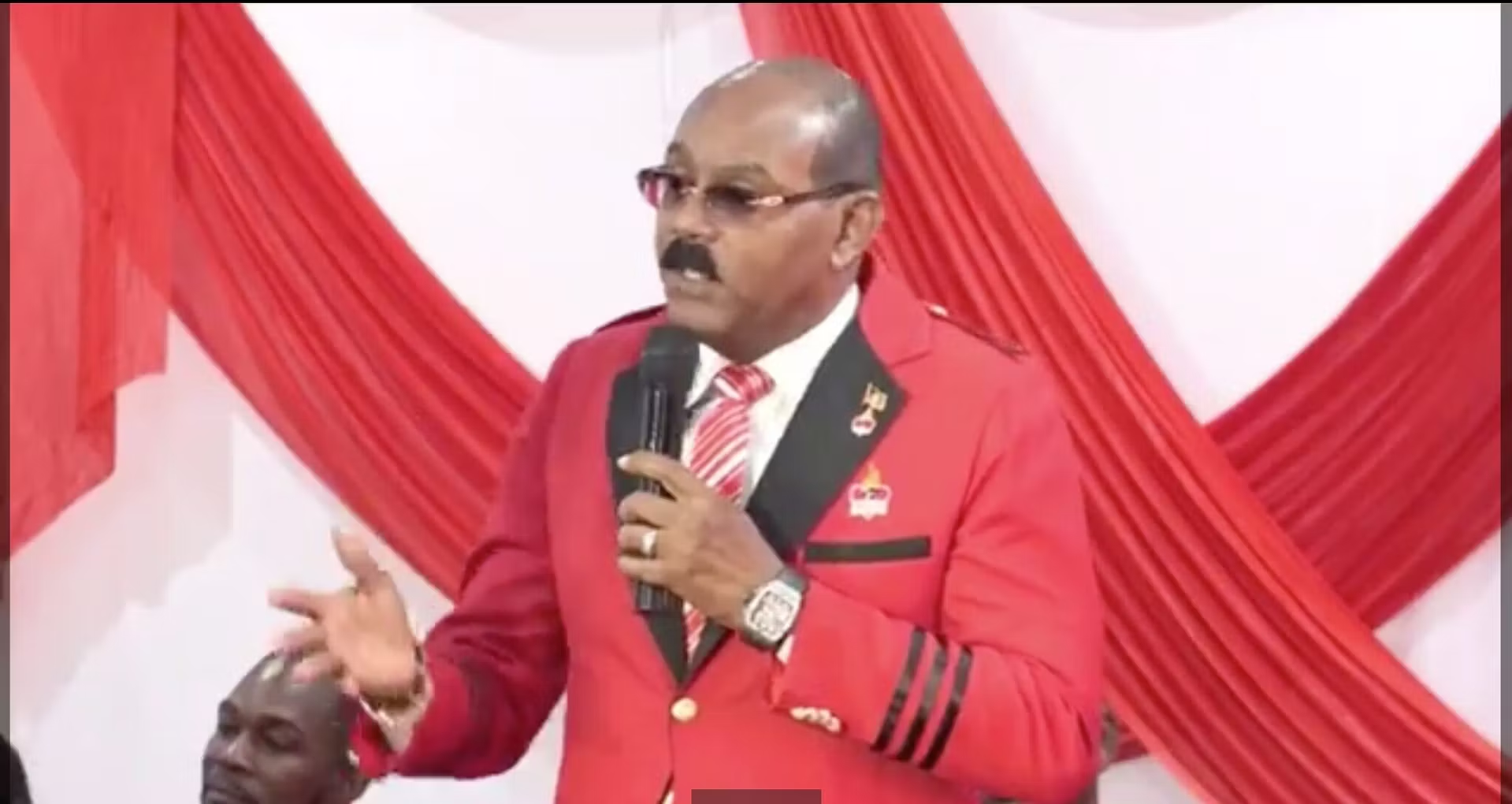
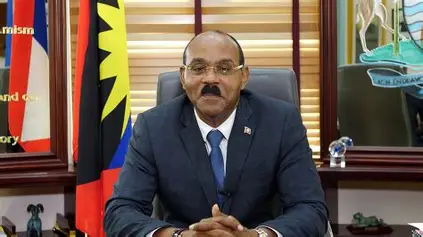
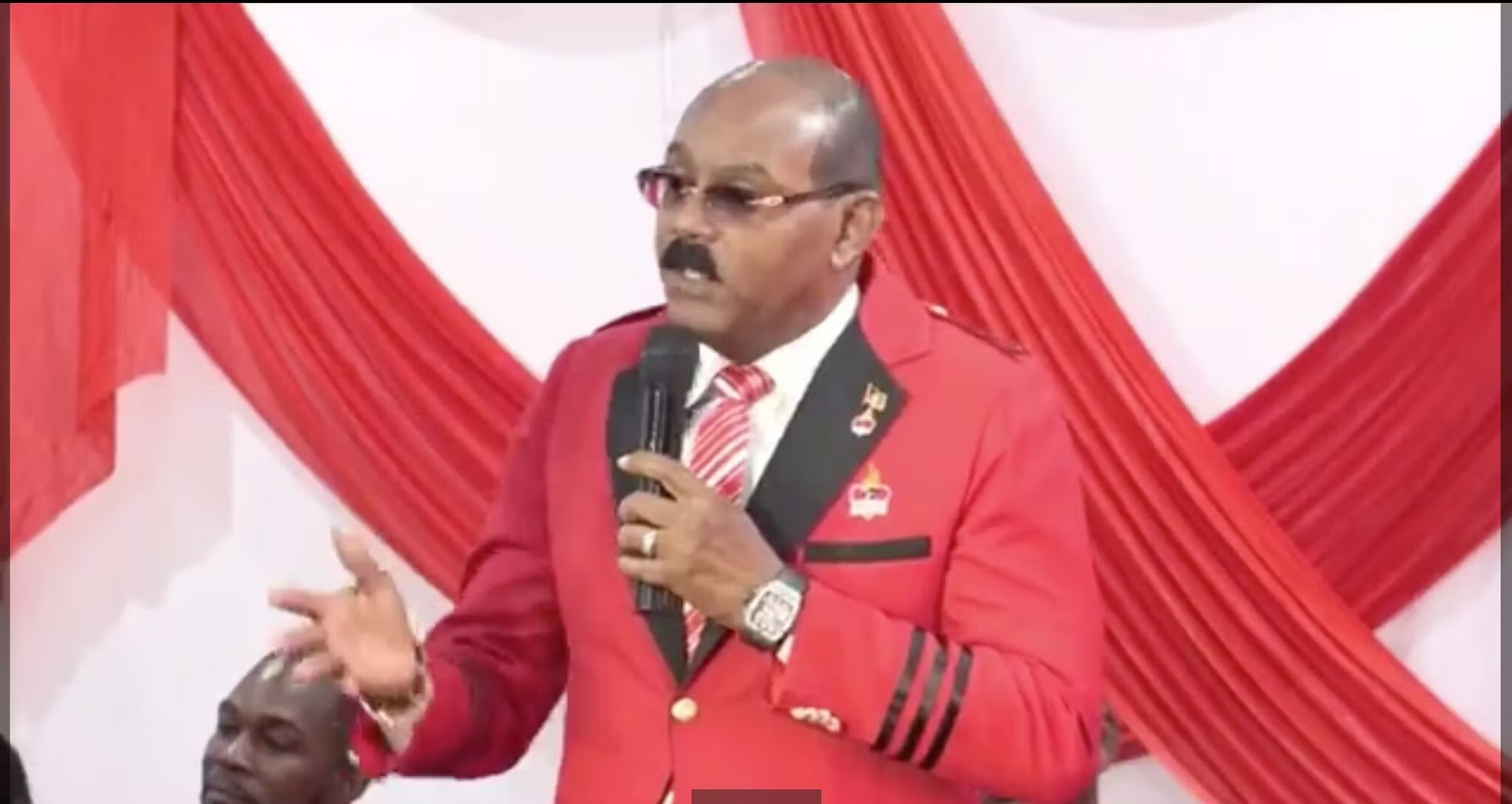
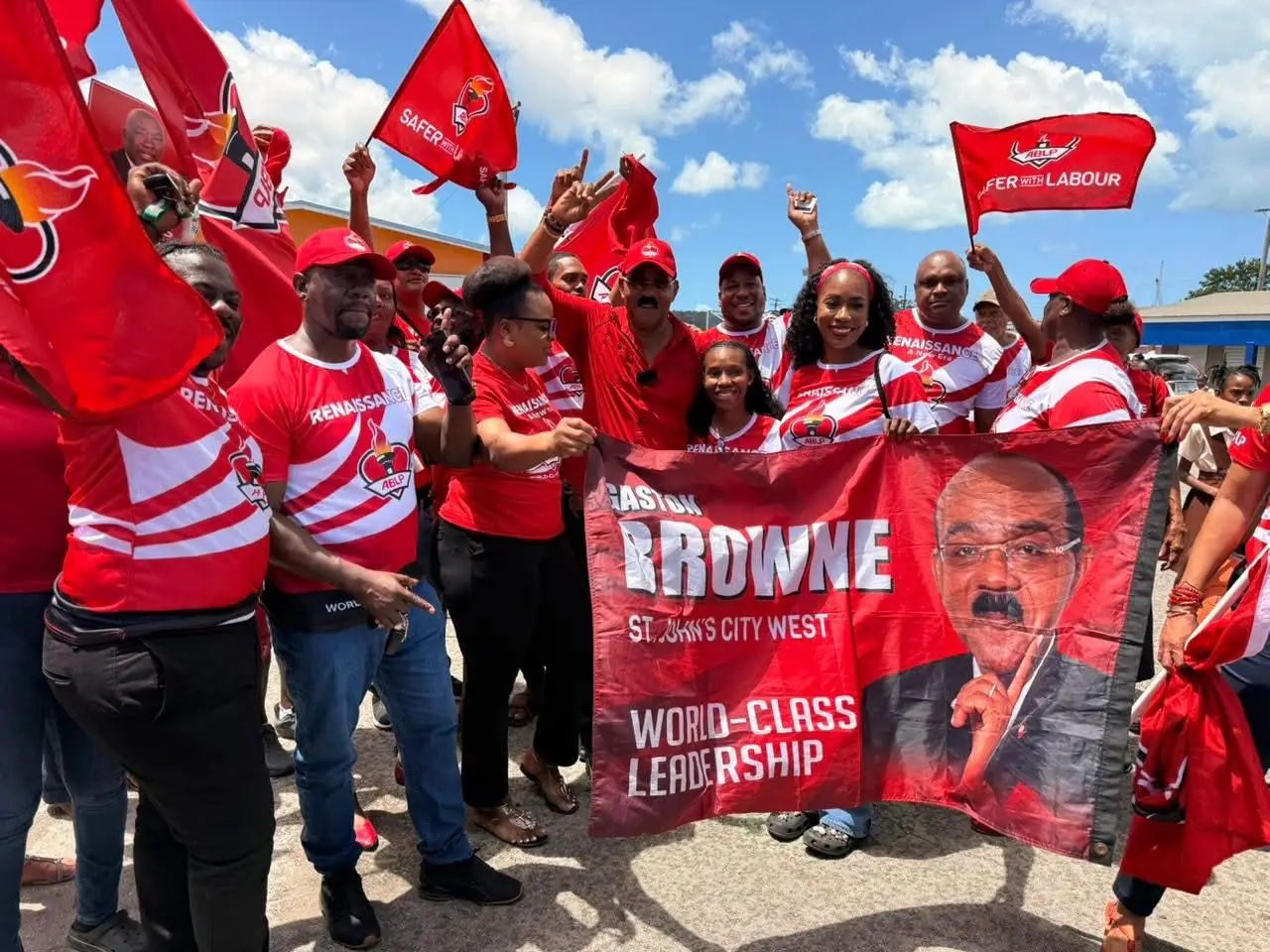
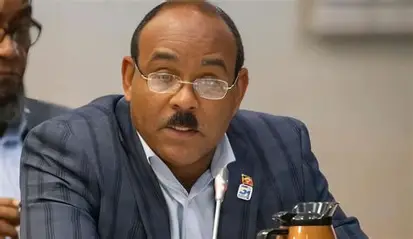
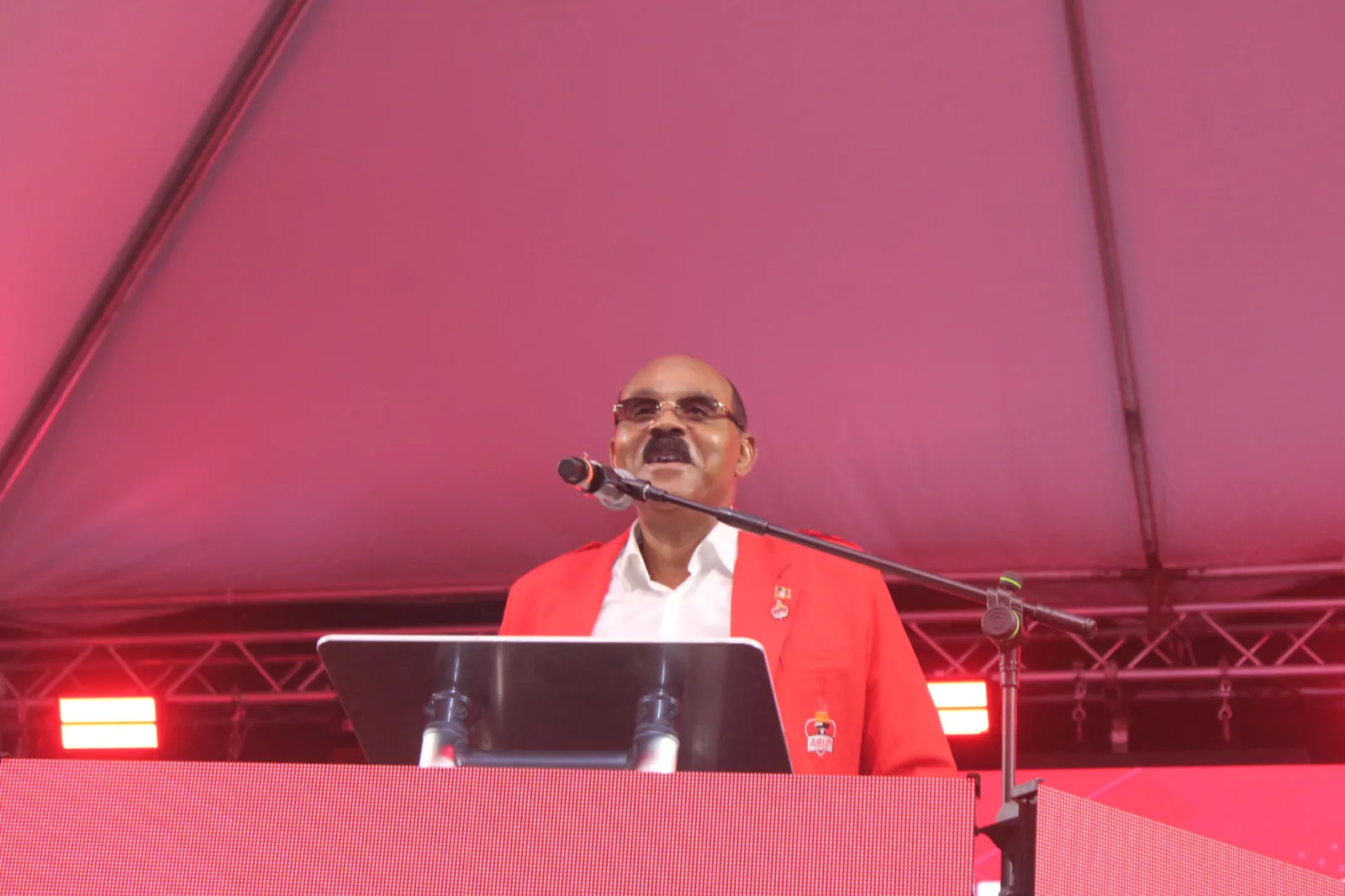
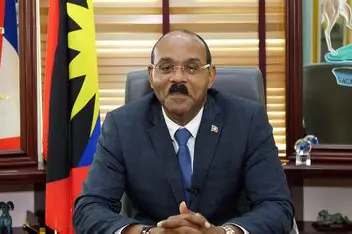
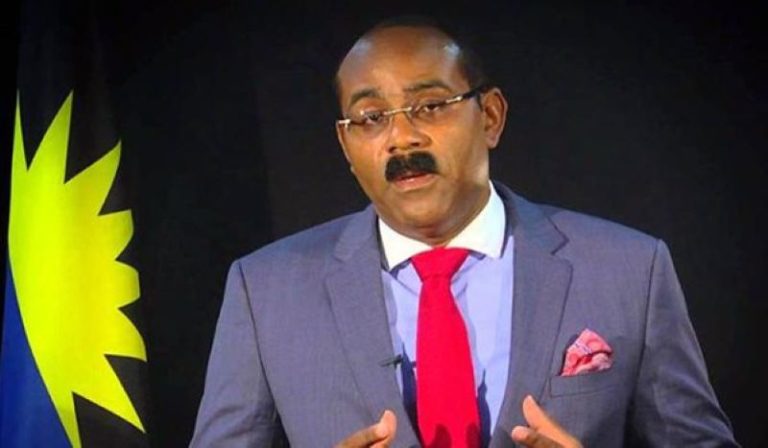
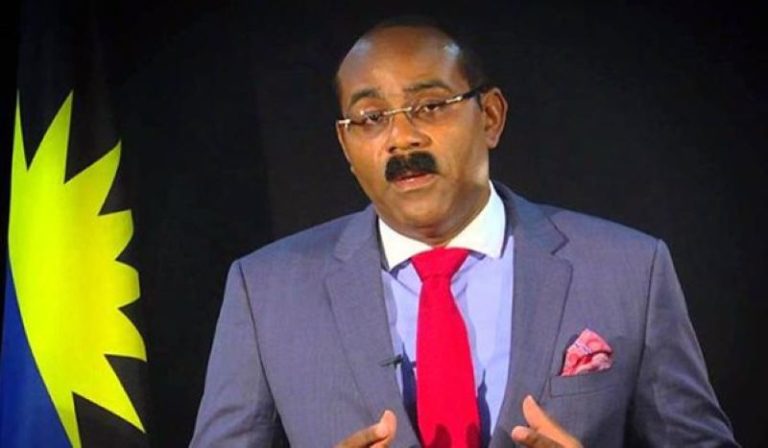
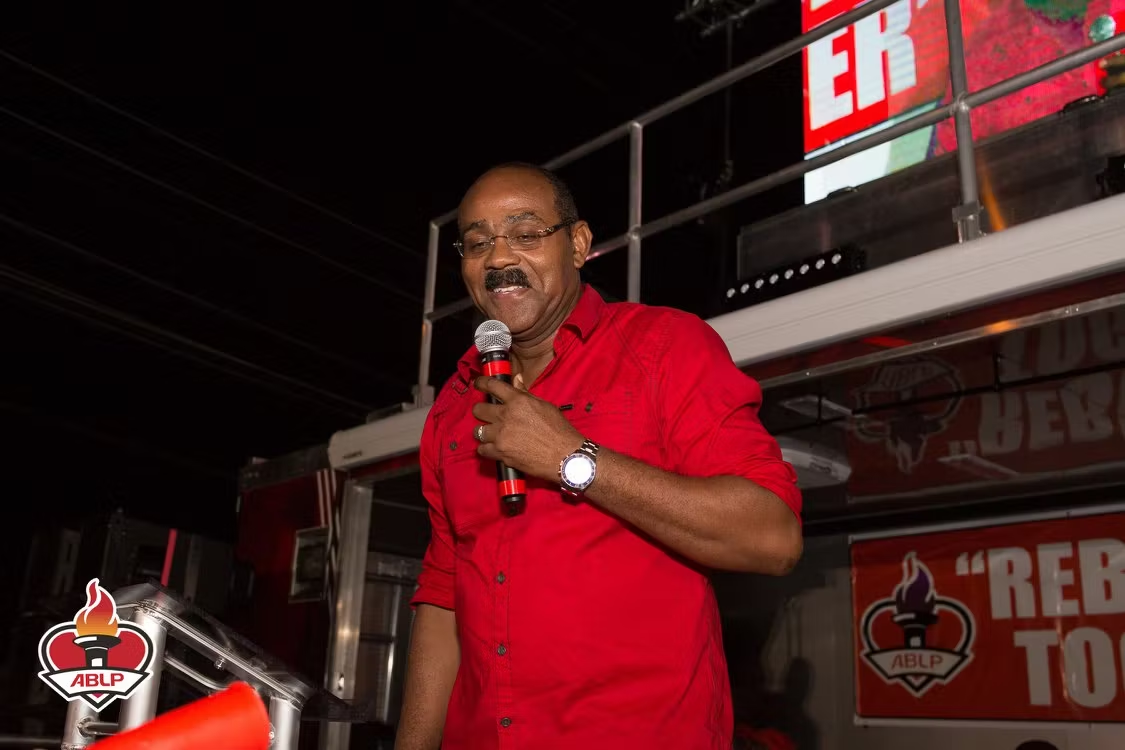
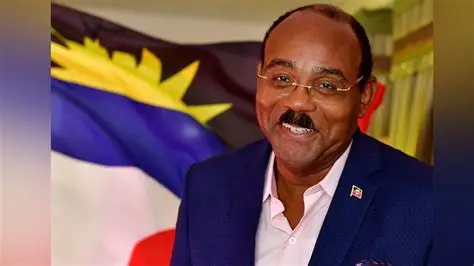
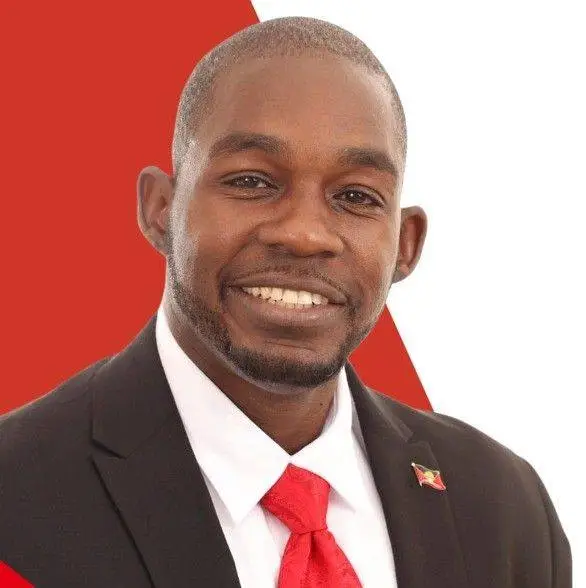
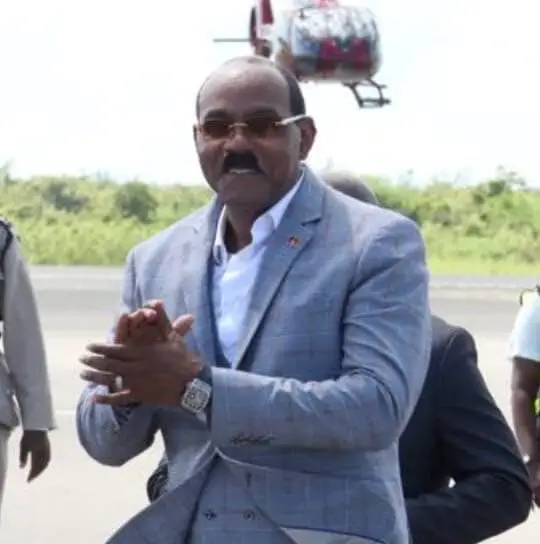
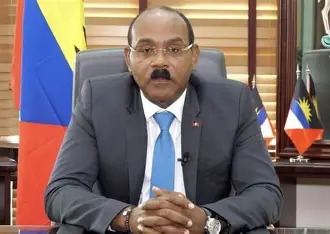
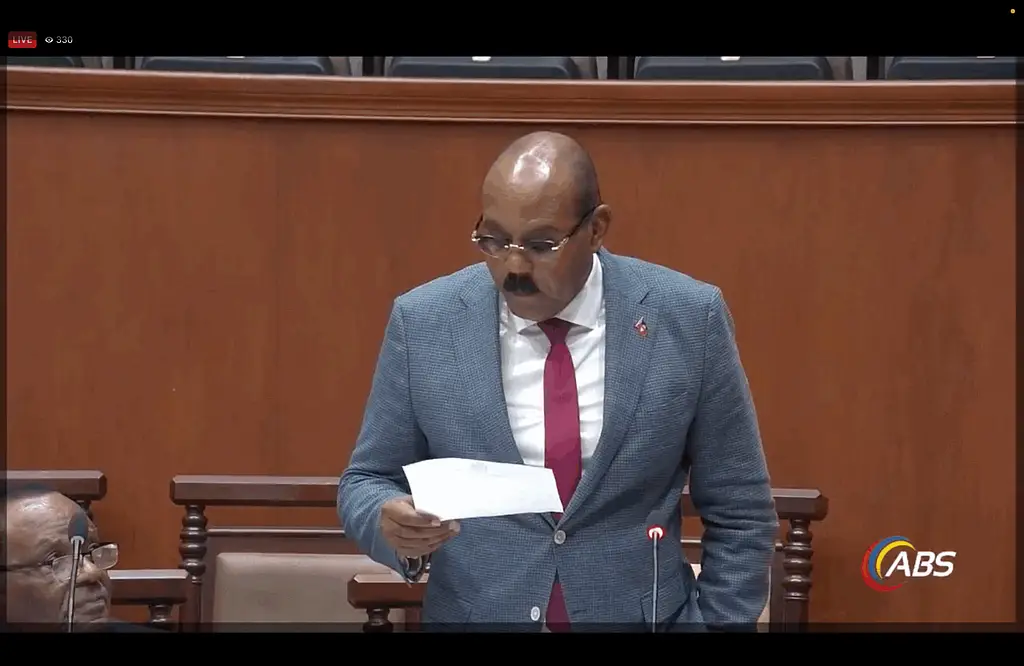
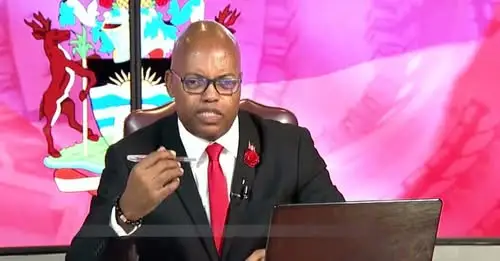
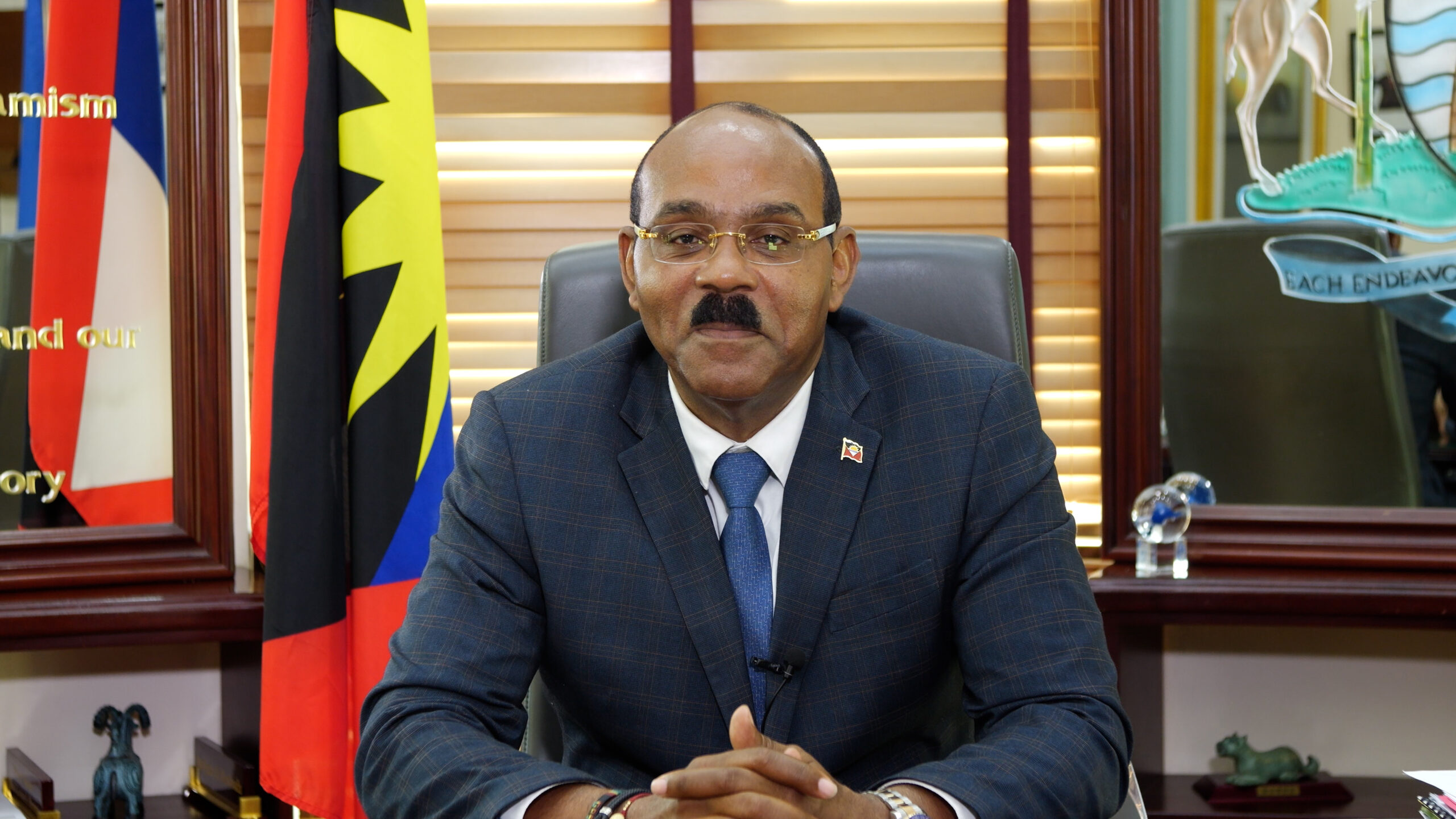
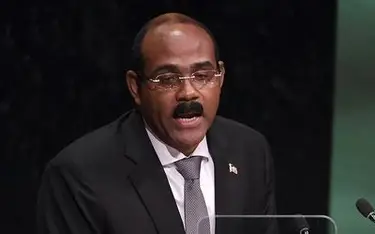
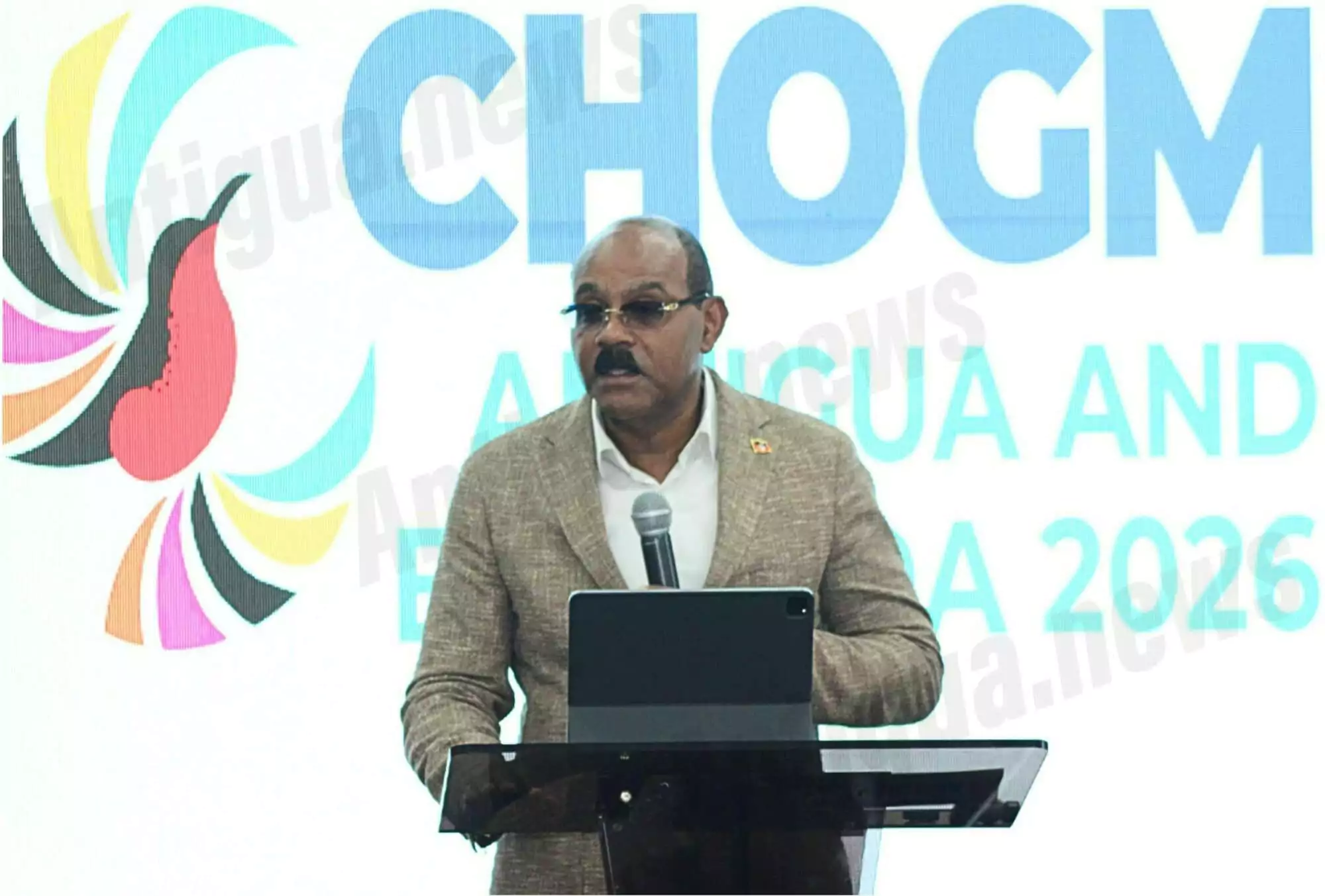
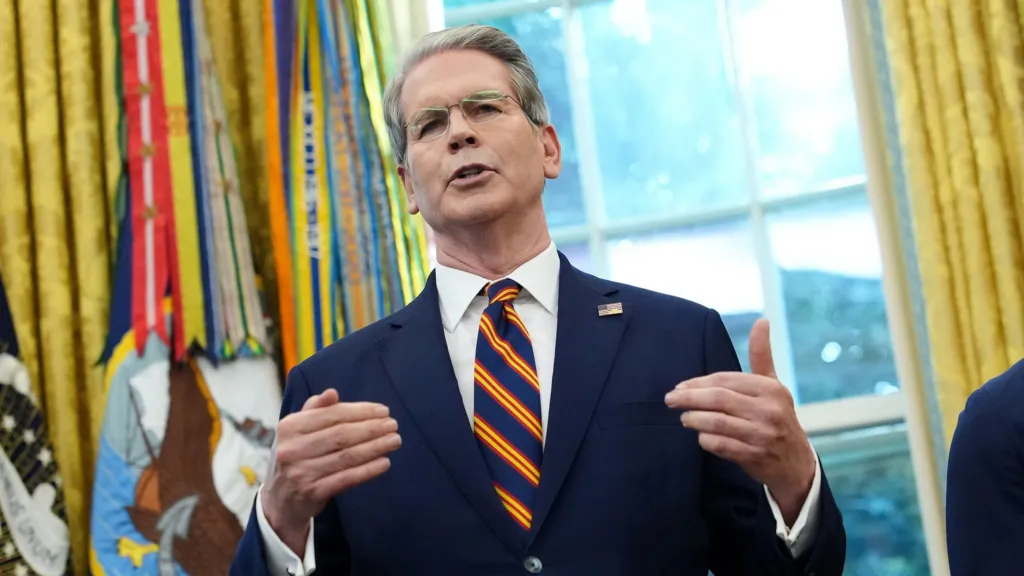
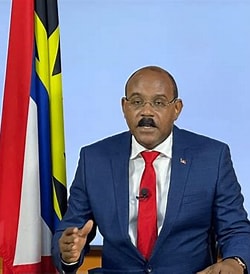
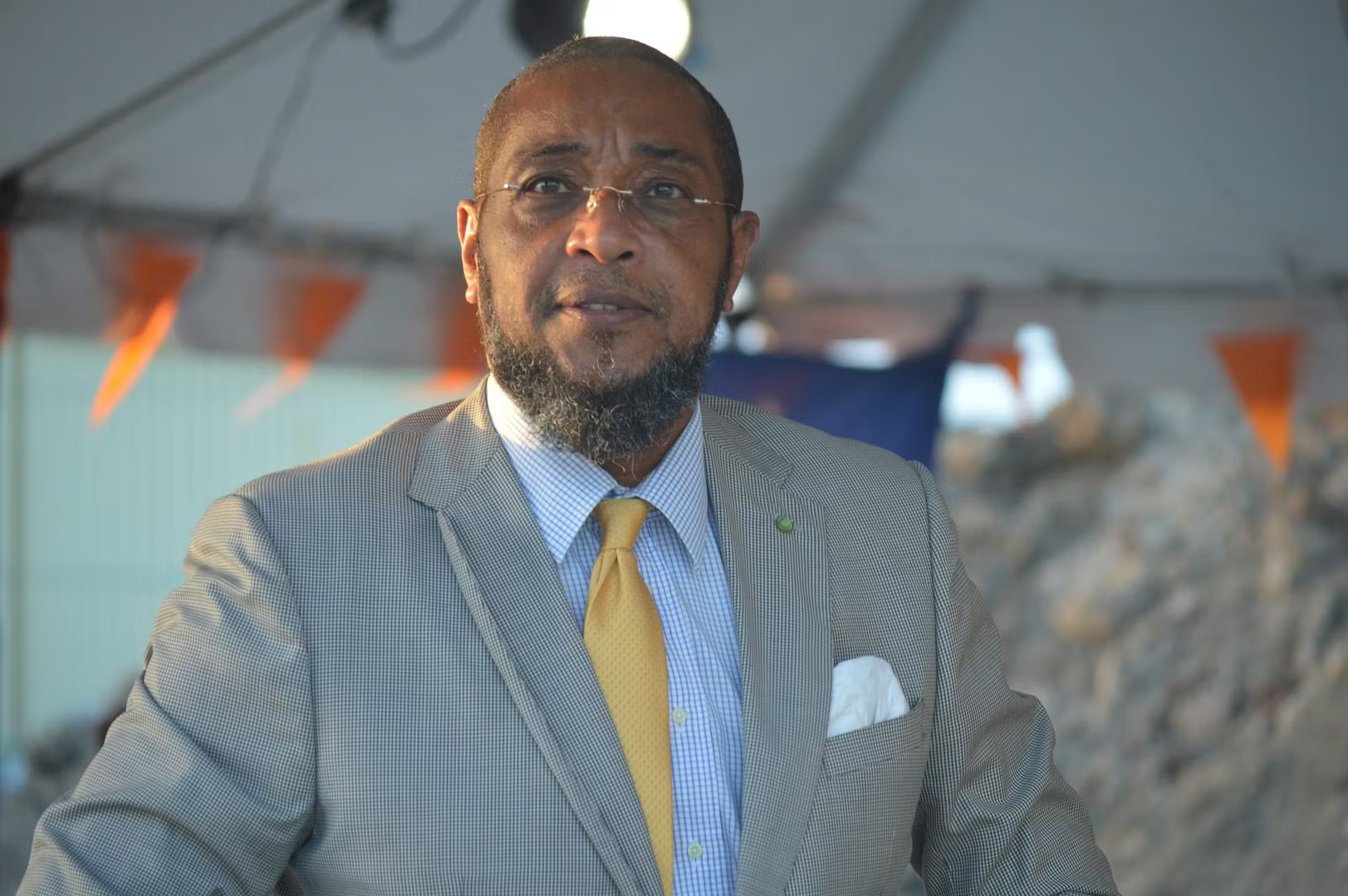
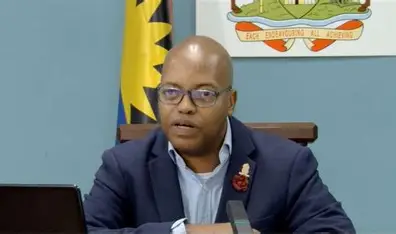
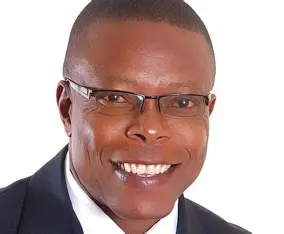
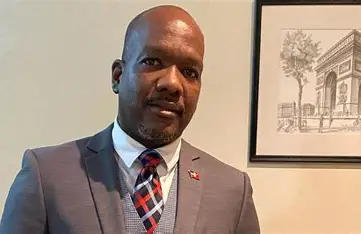
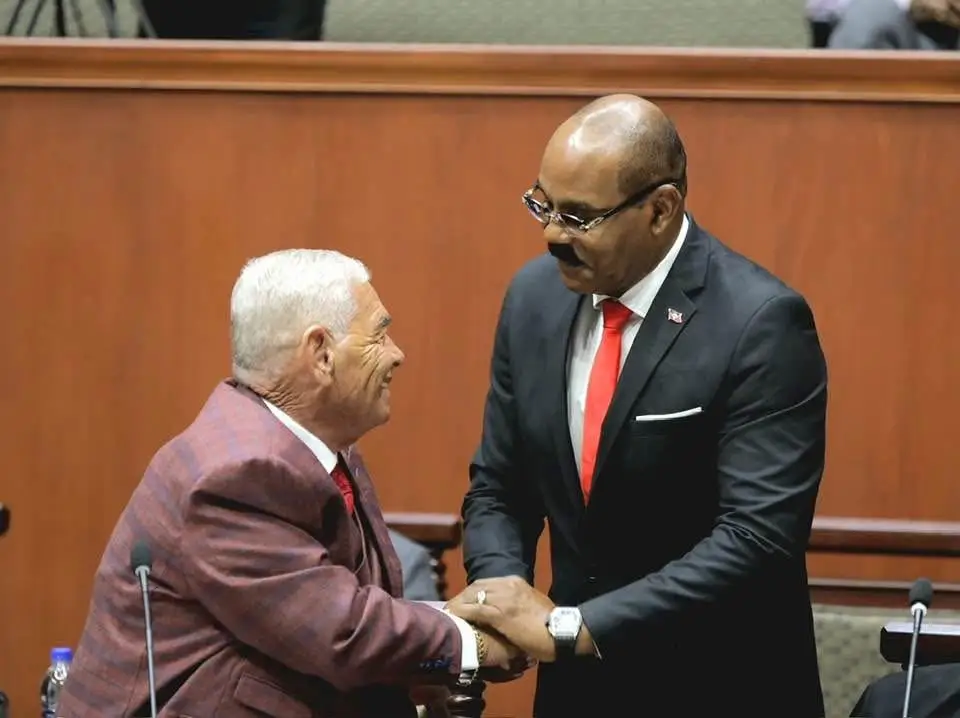
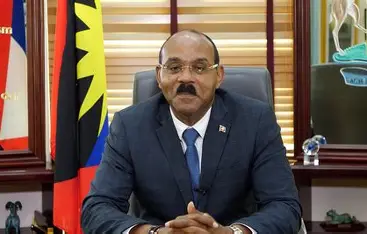
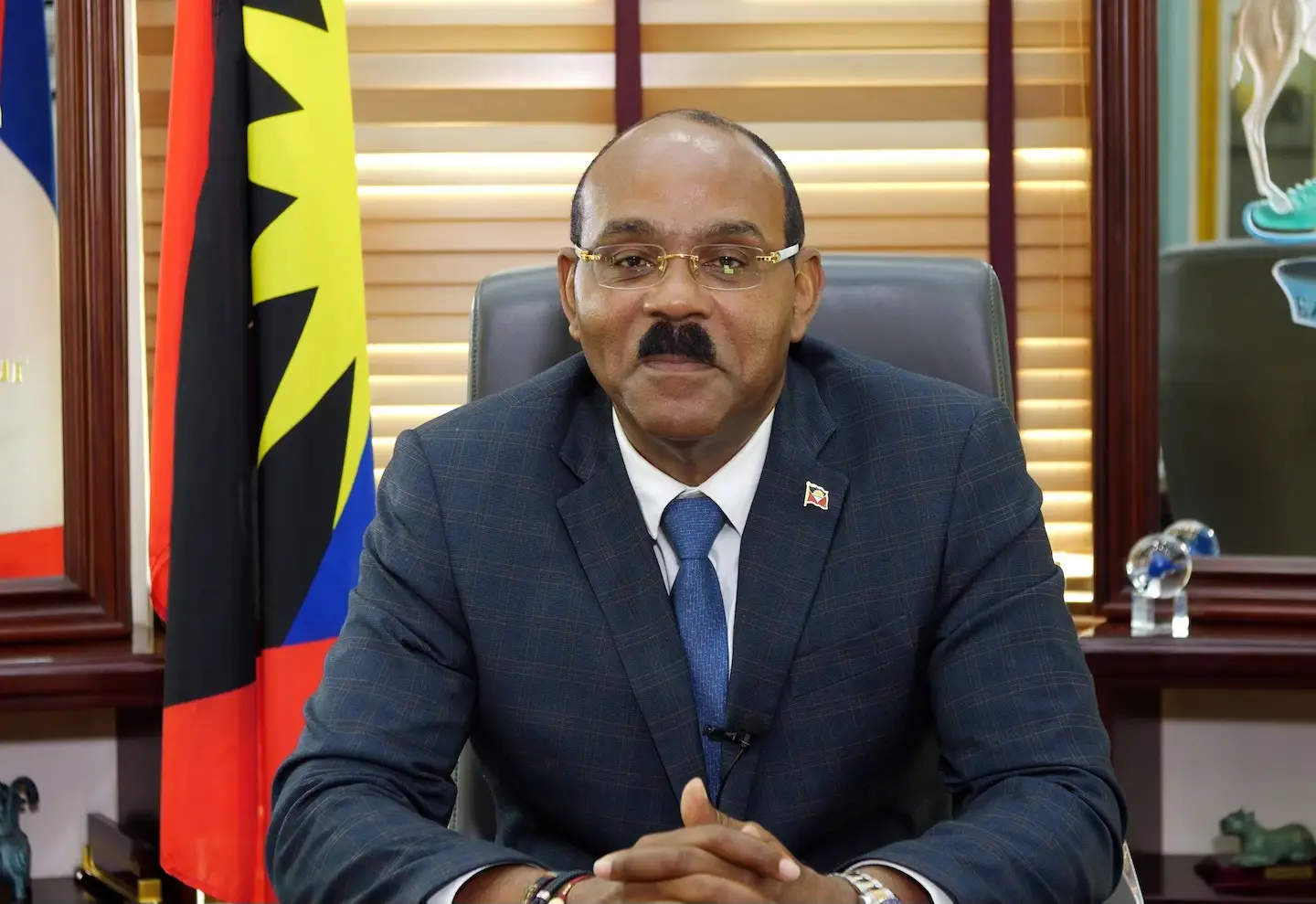
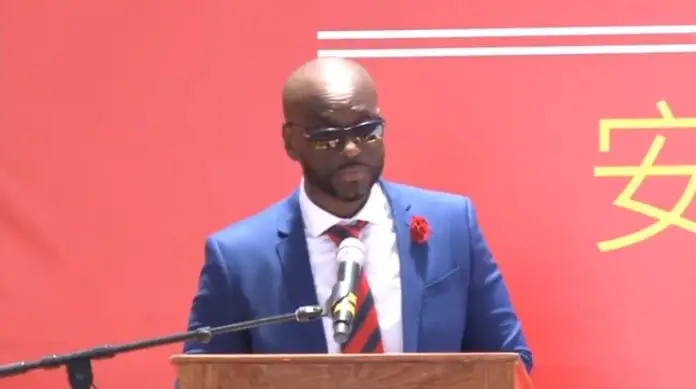
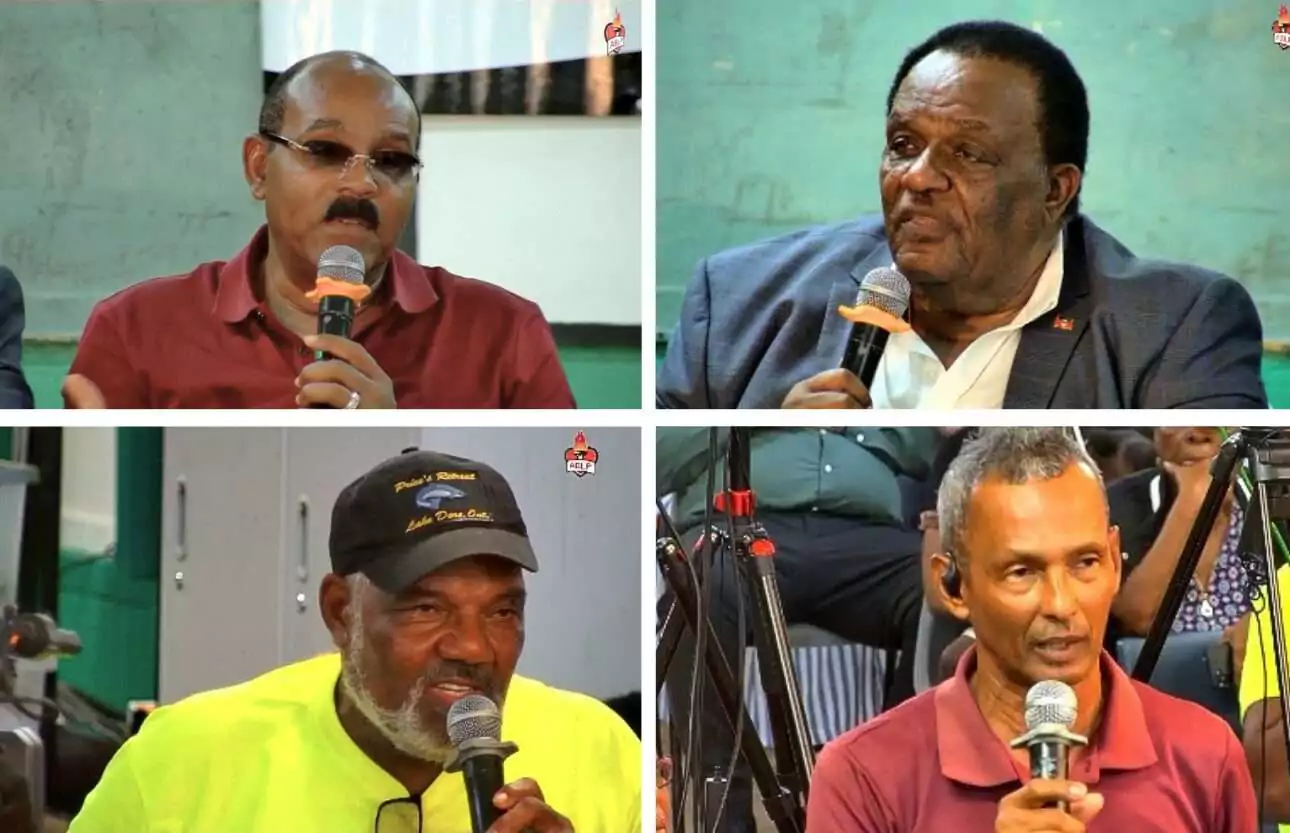
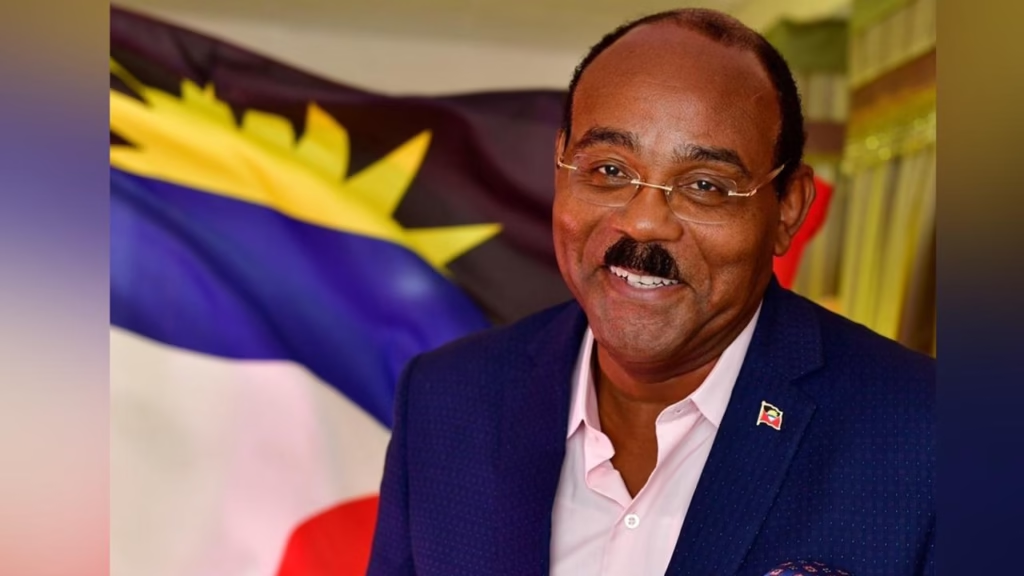
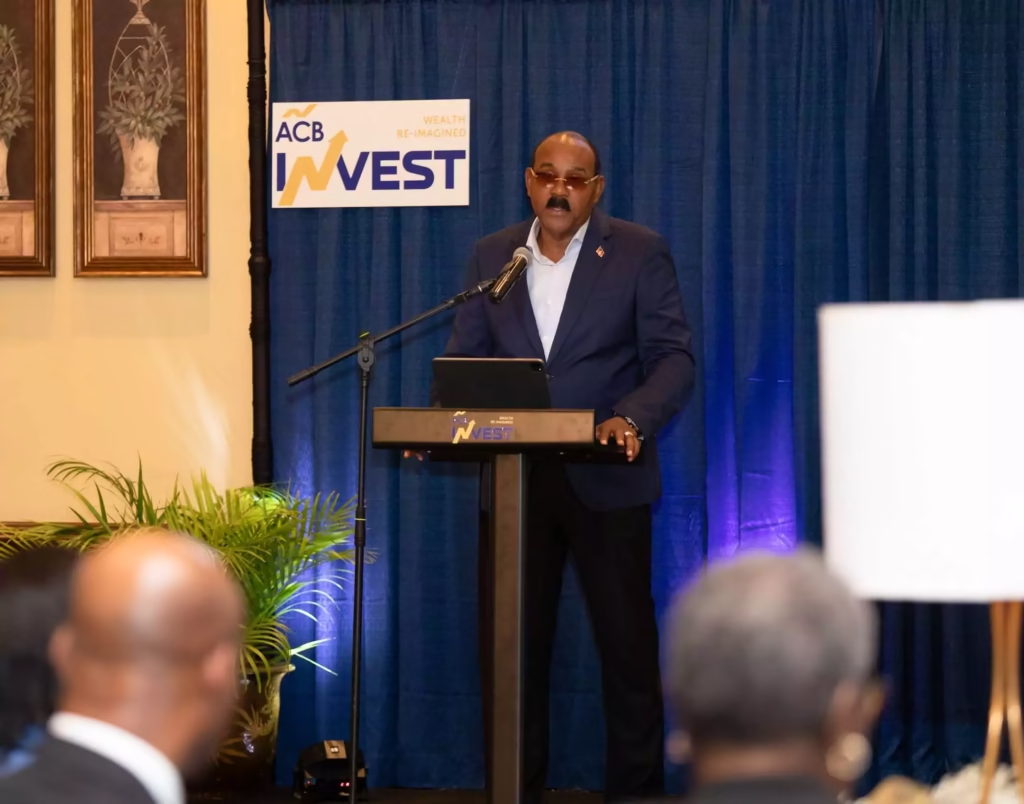
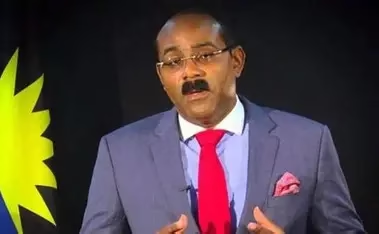
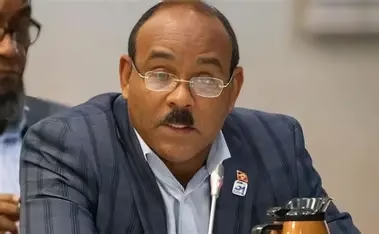
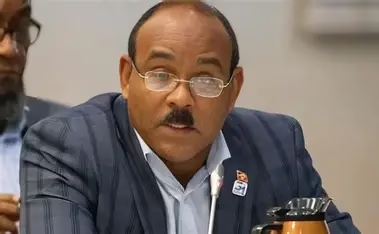
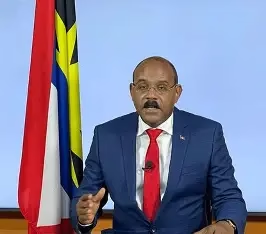
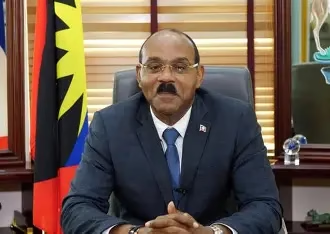
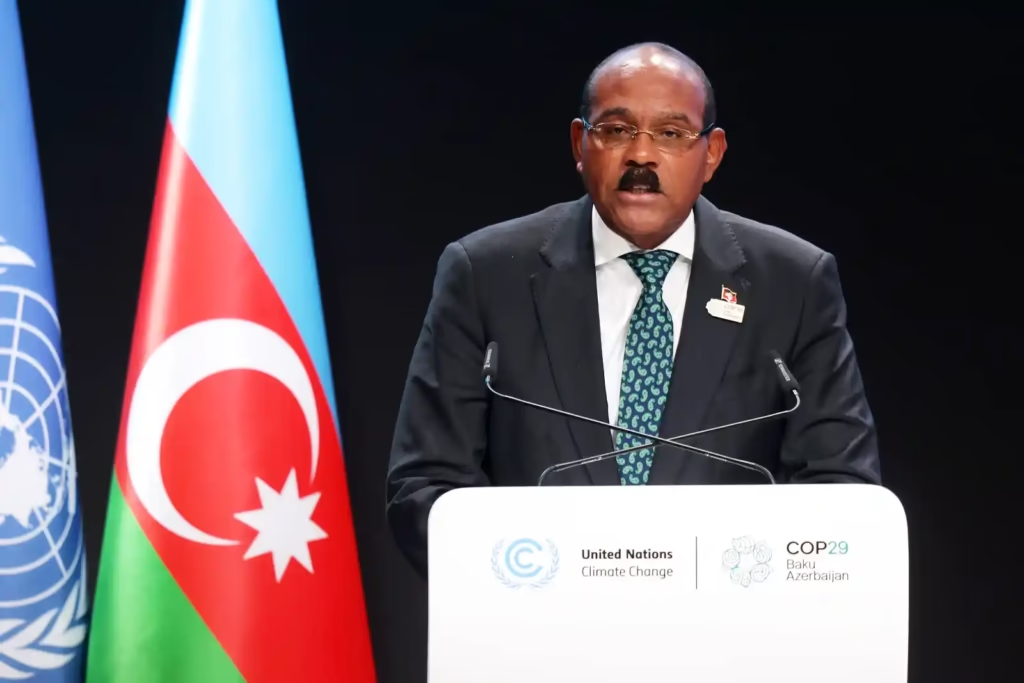
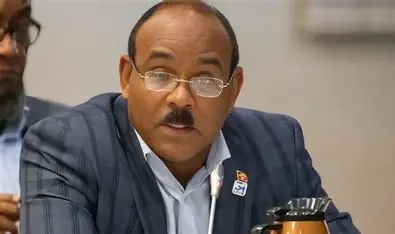
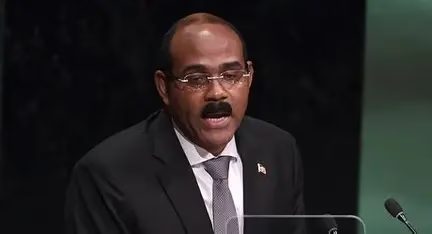
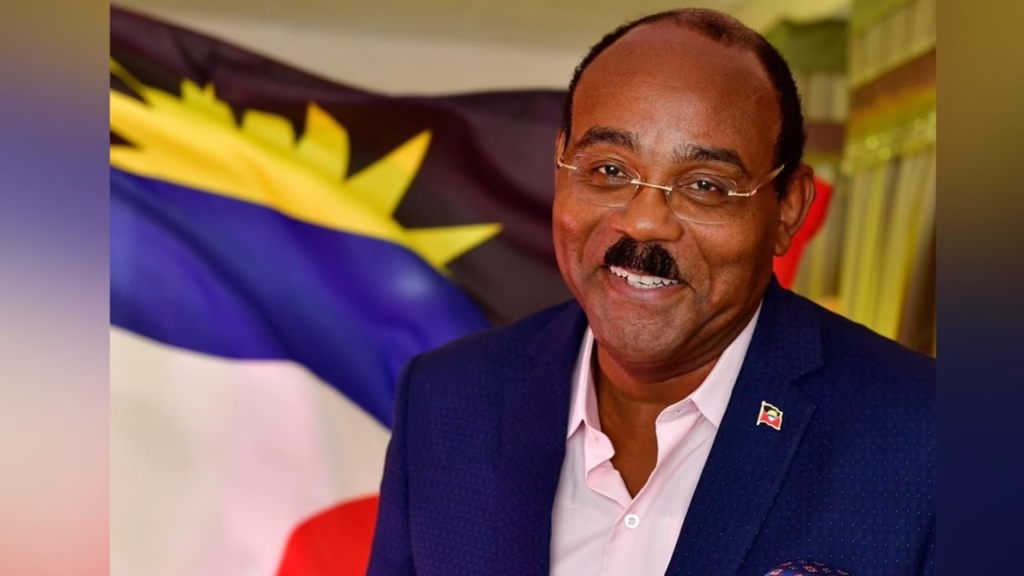
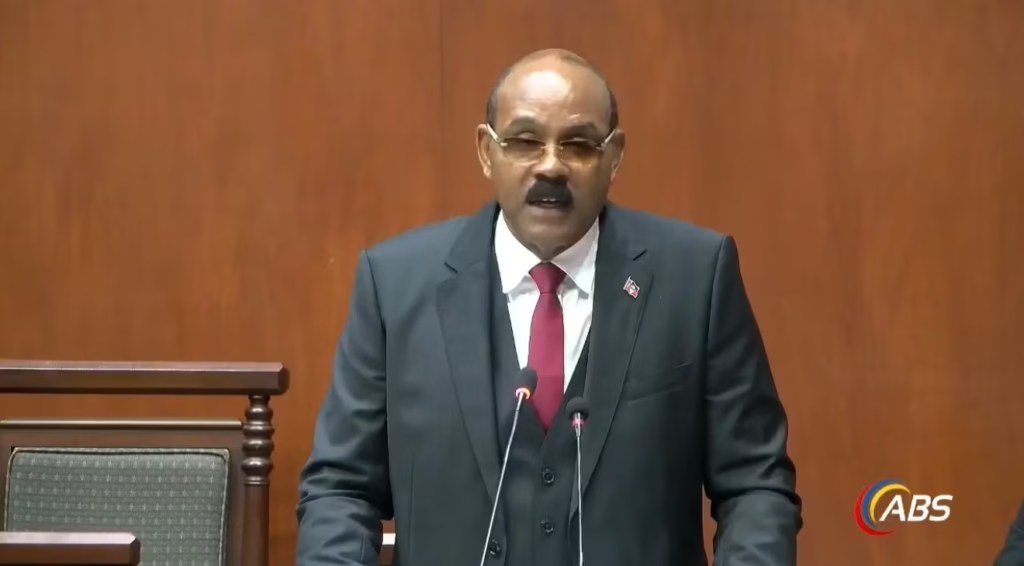
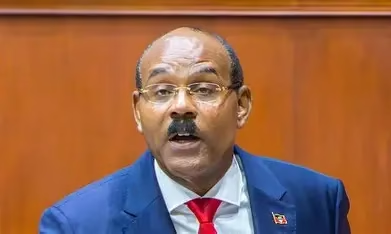
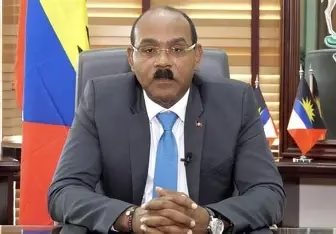
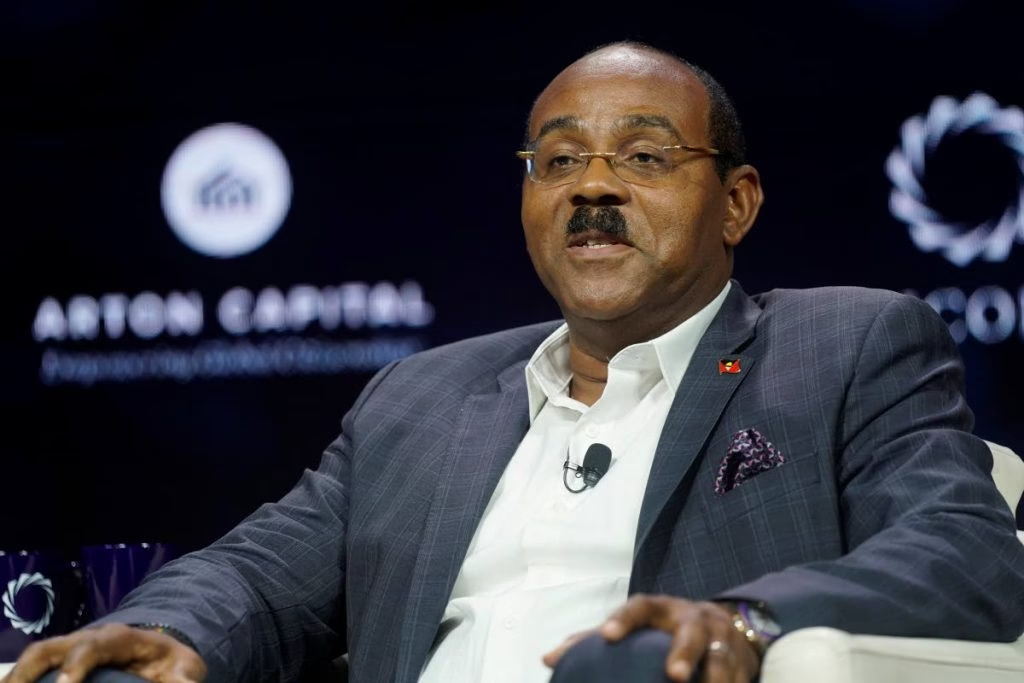
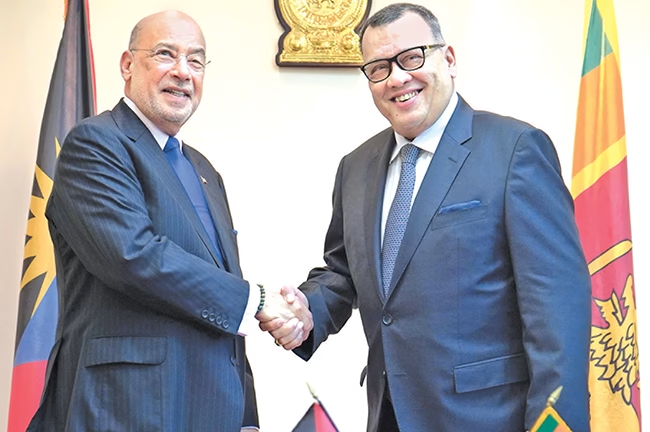
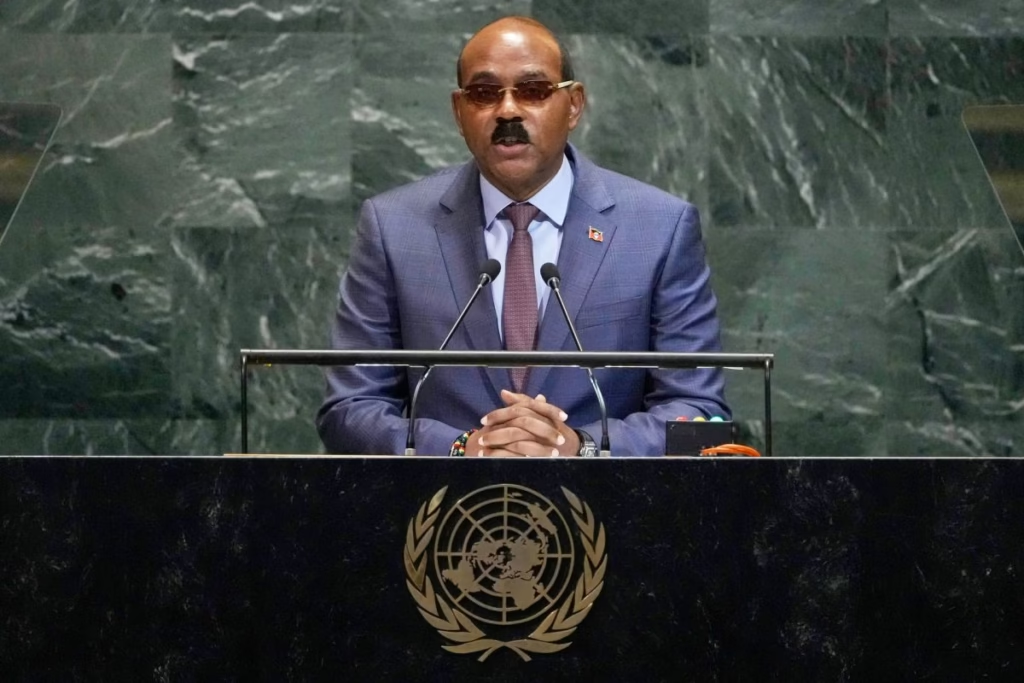
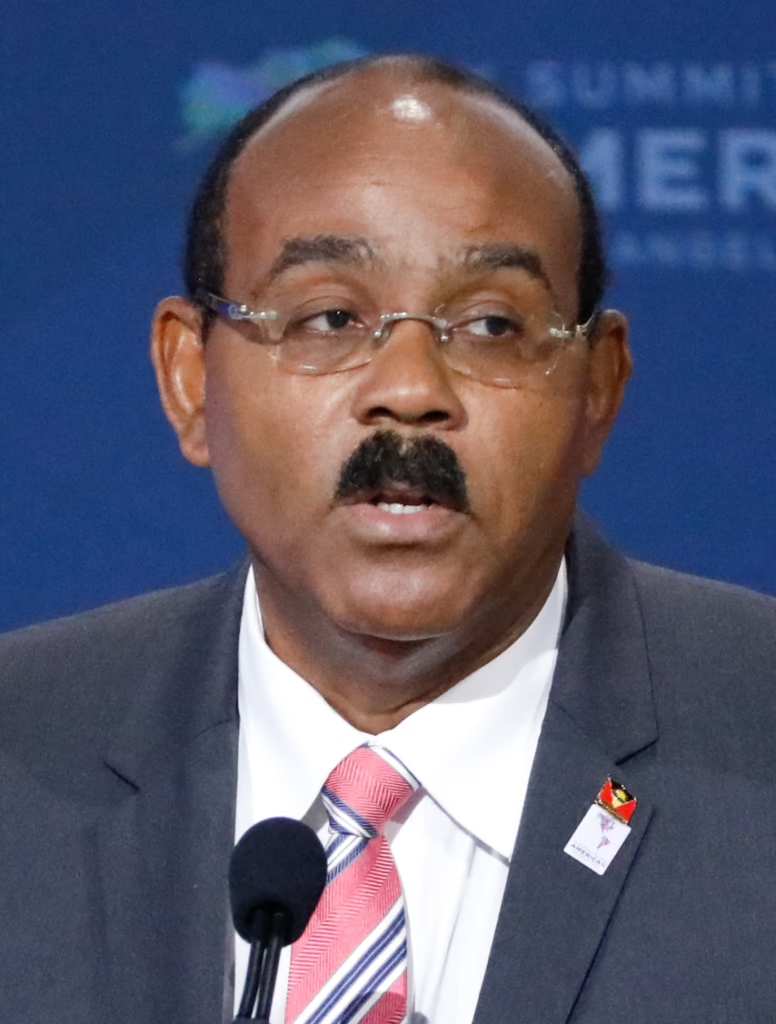
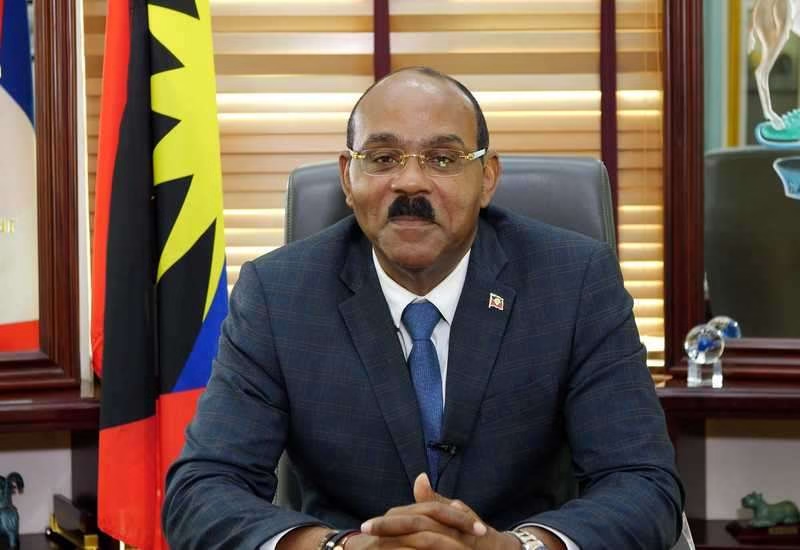
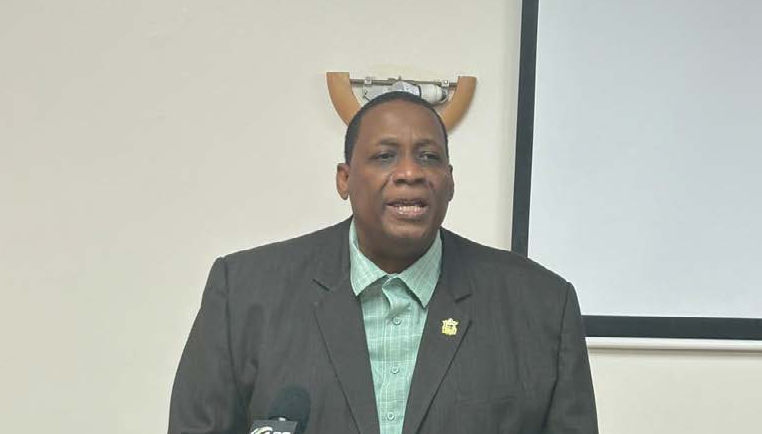
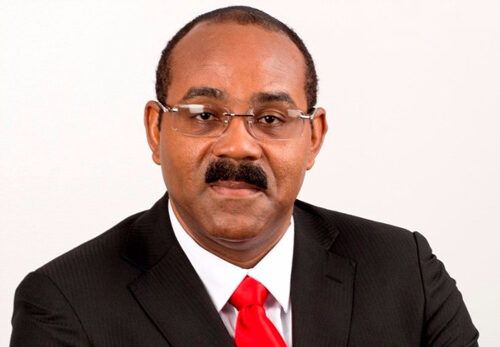
Blaze remains the word Prime Minister Gaston Browne used to send a clear warning. He said water failures will no longer be excused. Therefore, accountability will now guide action.
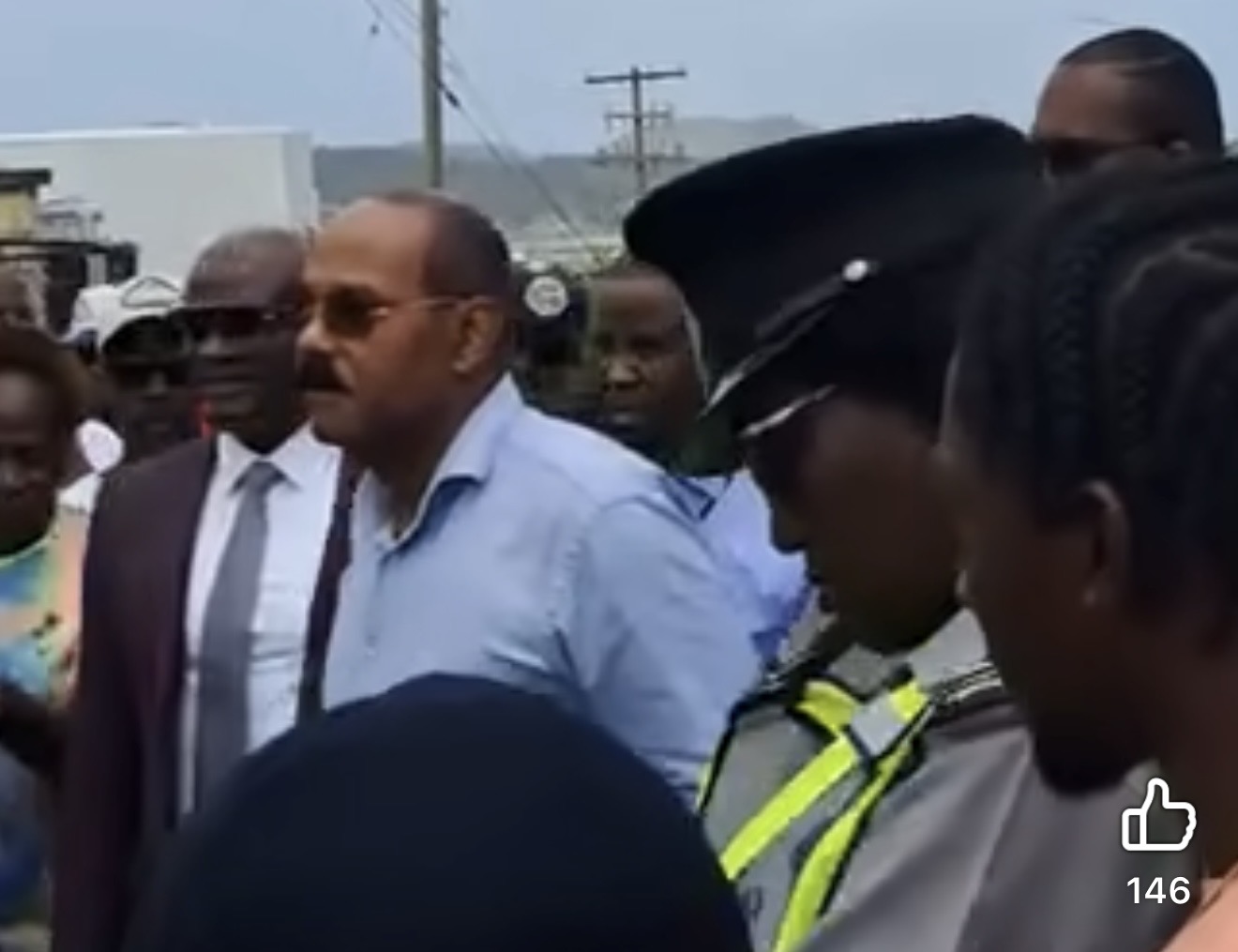
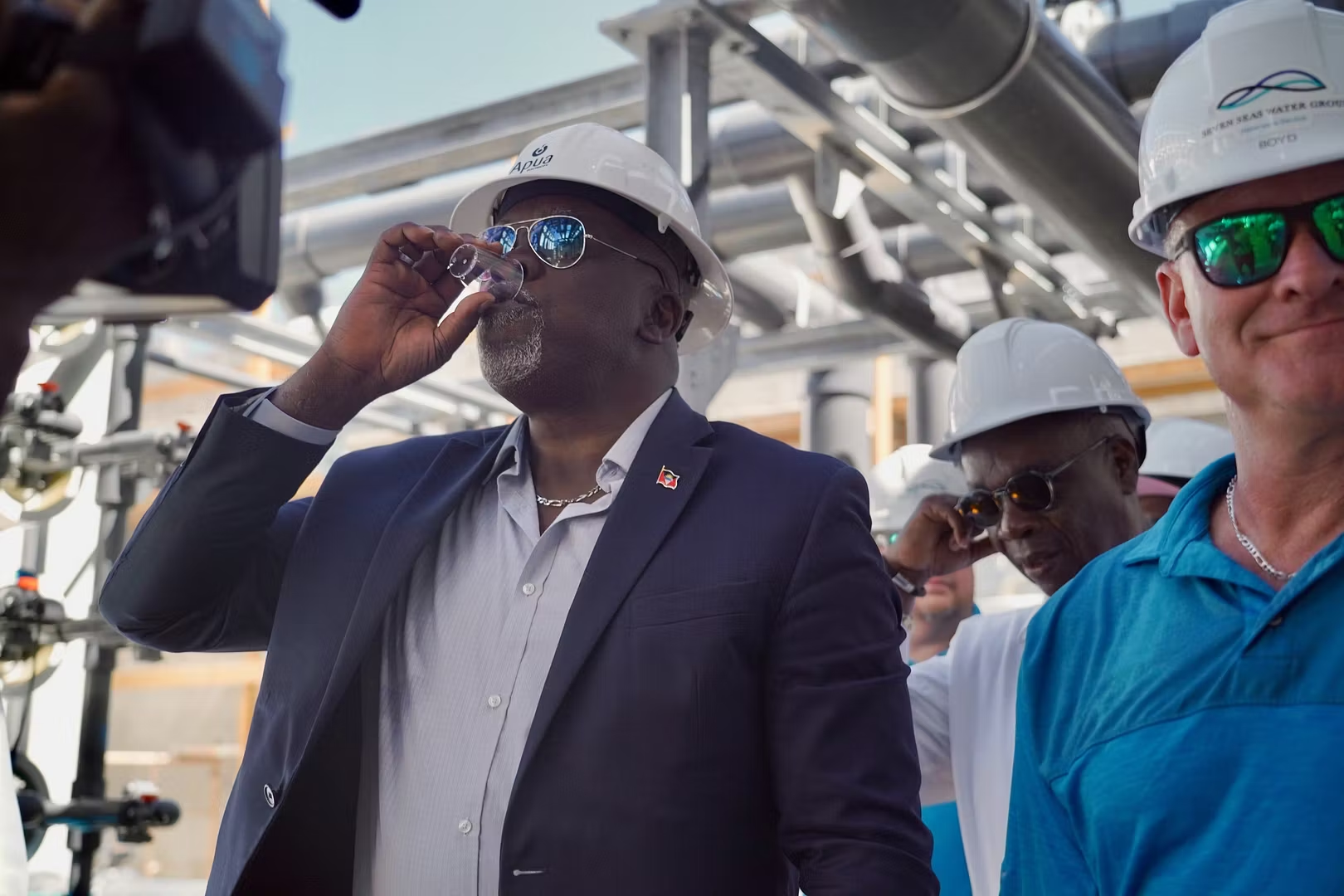
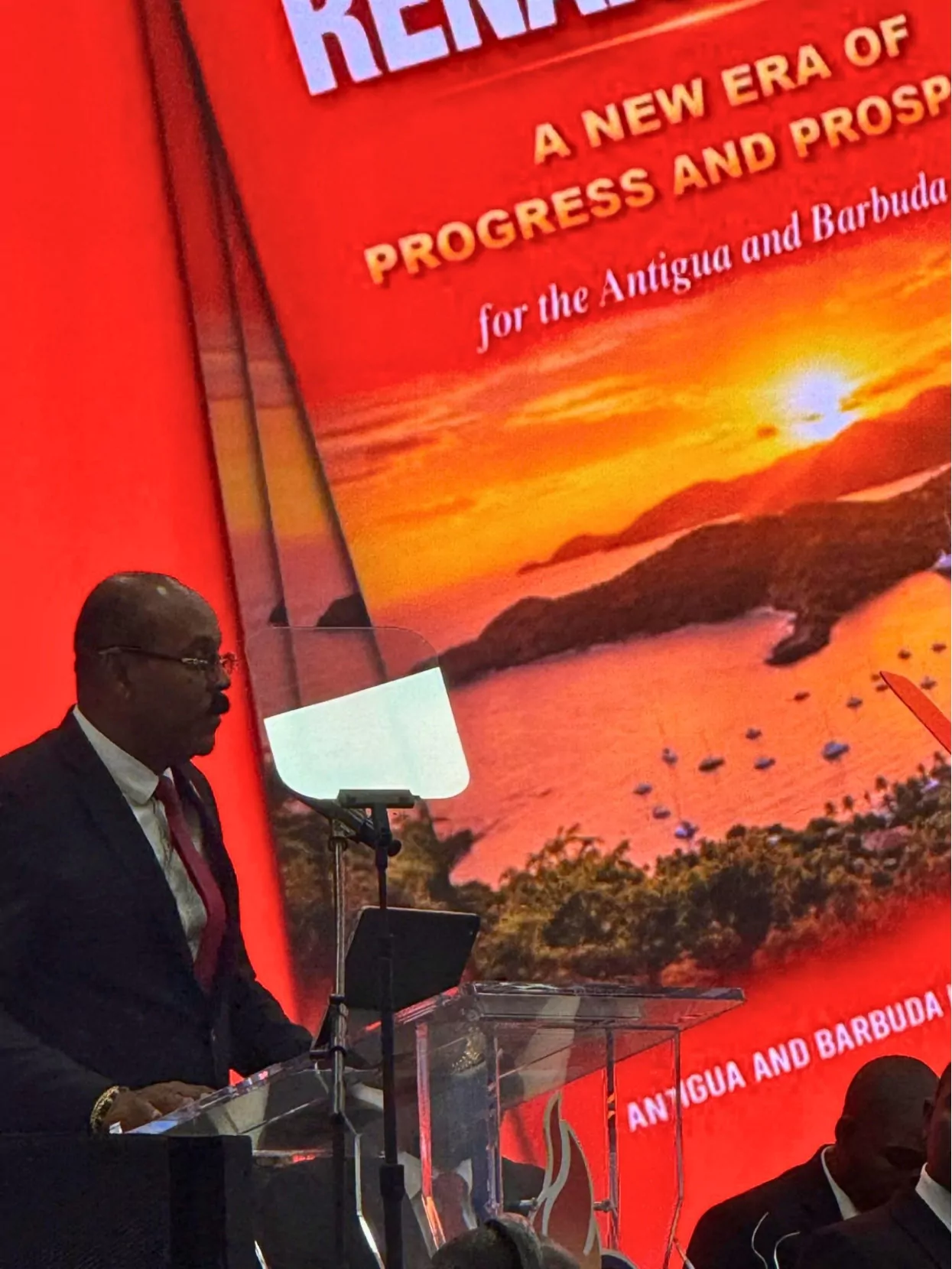
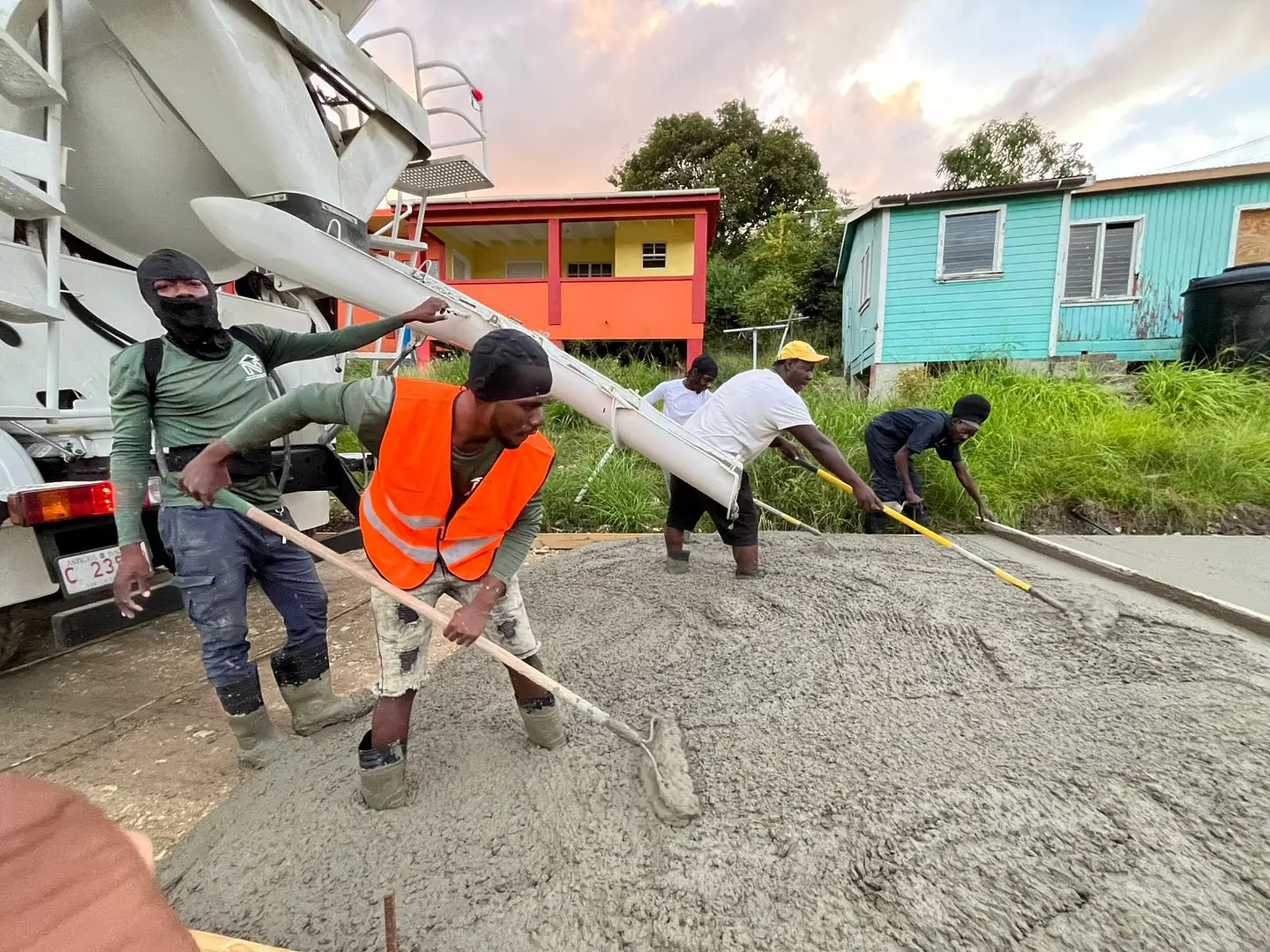
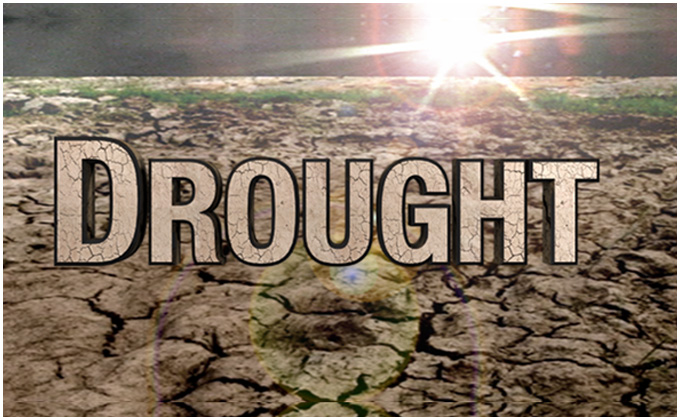
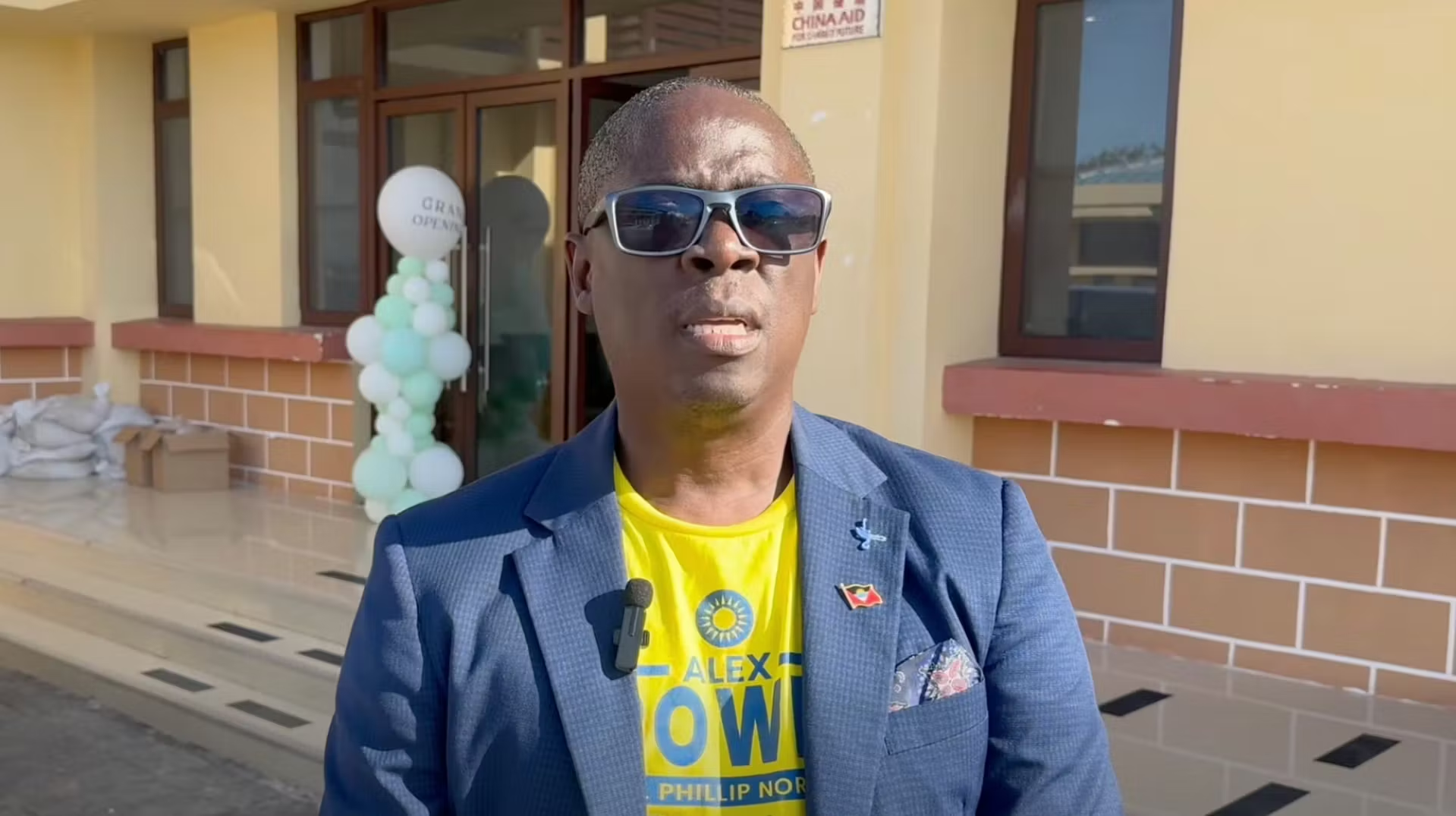
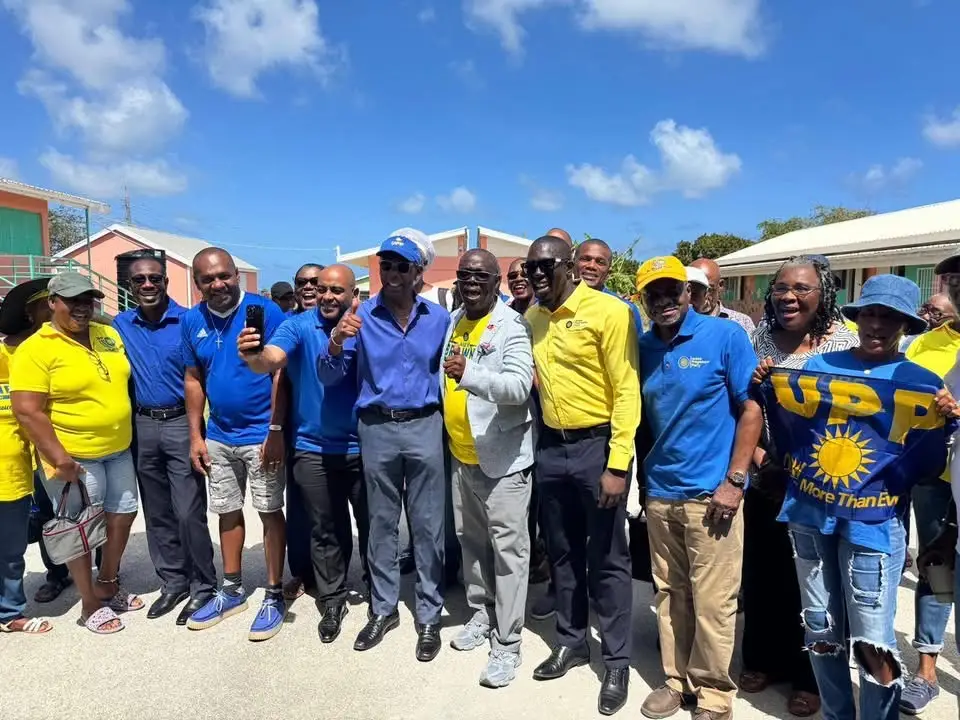
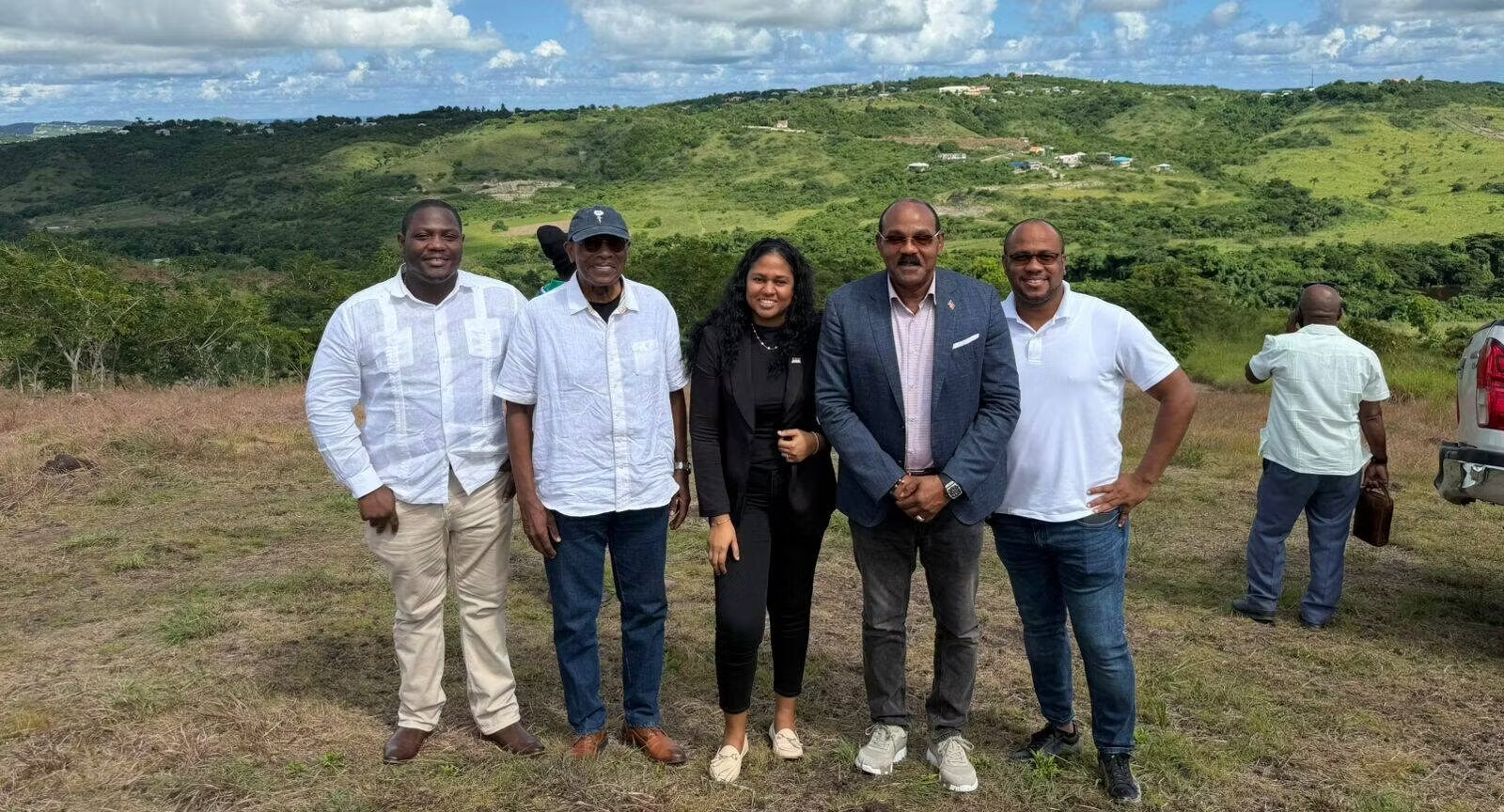
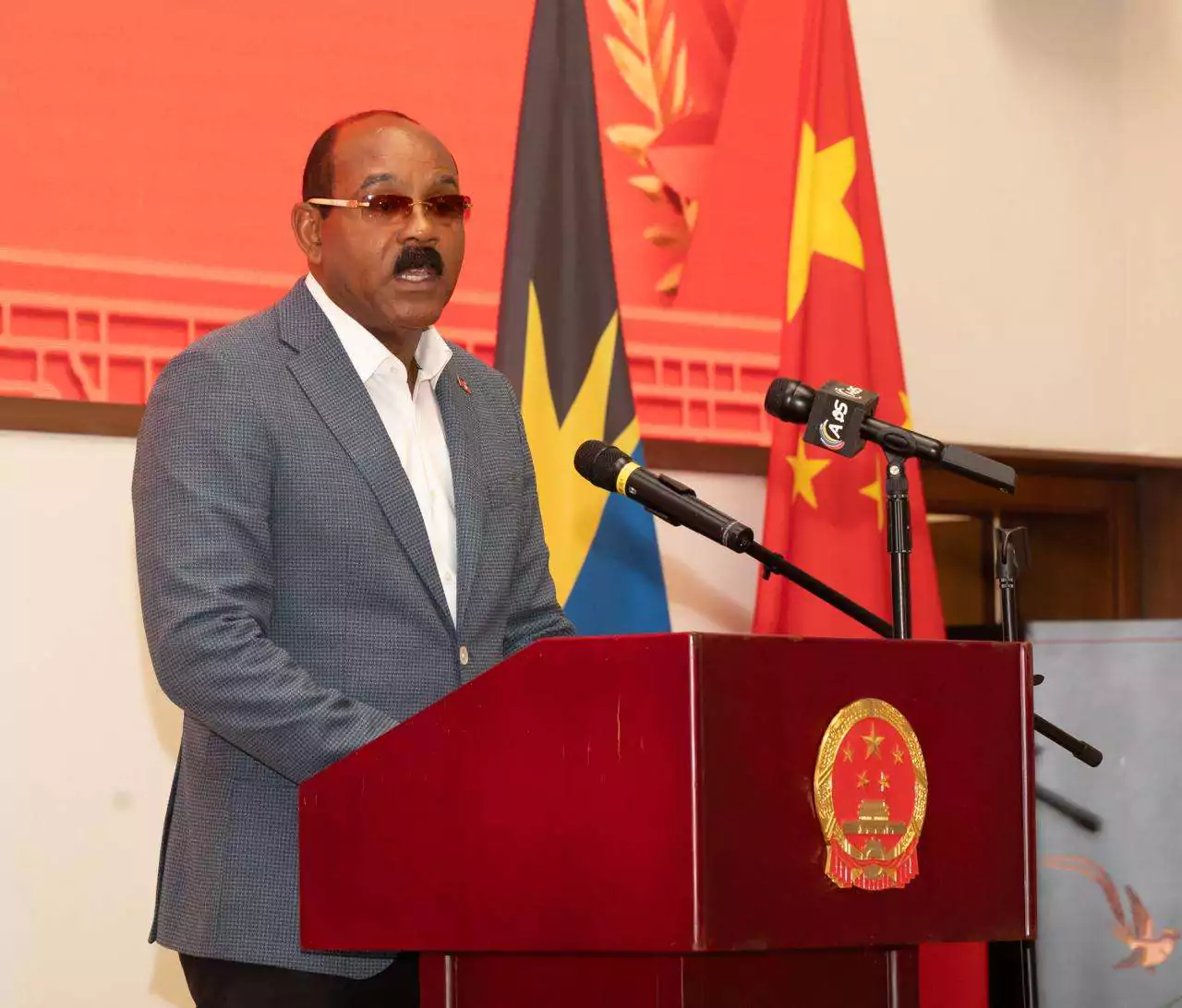
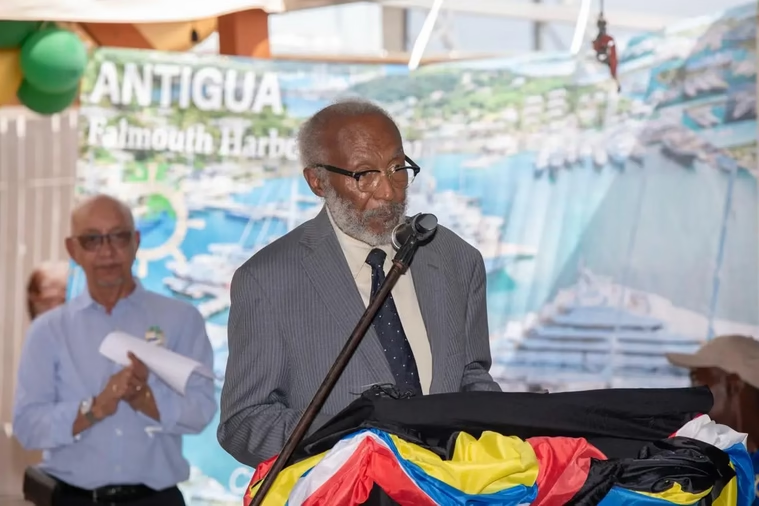
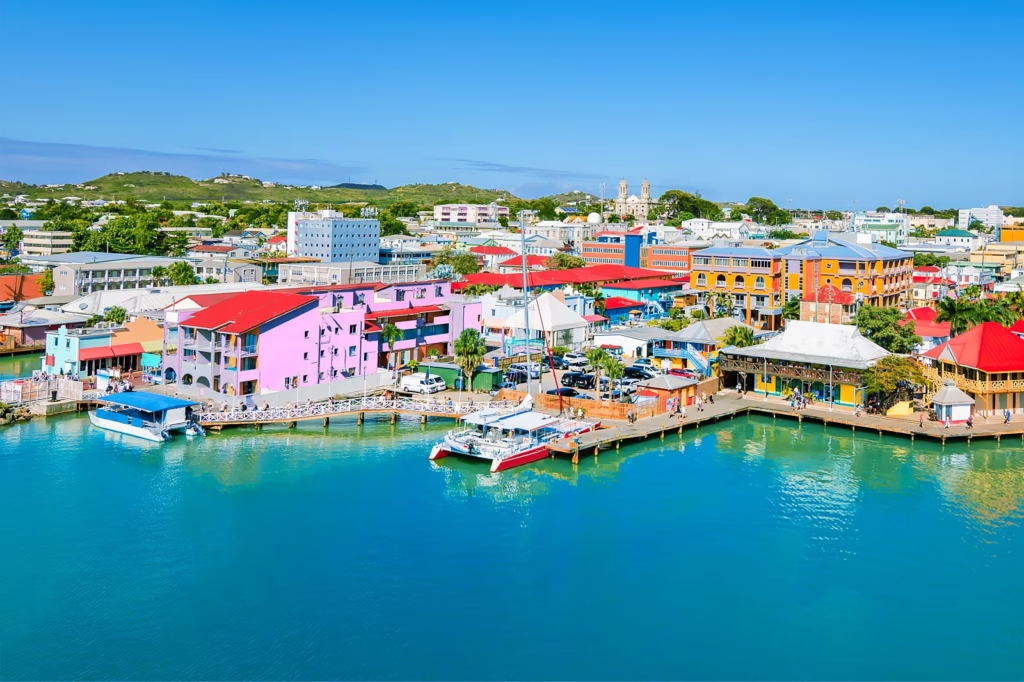
Speaking after a major water project, Browne sounded firm. He addressed ongoing supply disruptions across Antigua and Barbuda. Although production has increased, problems persist.
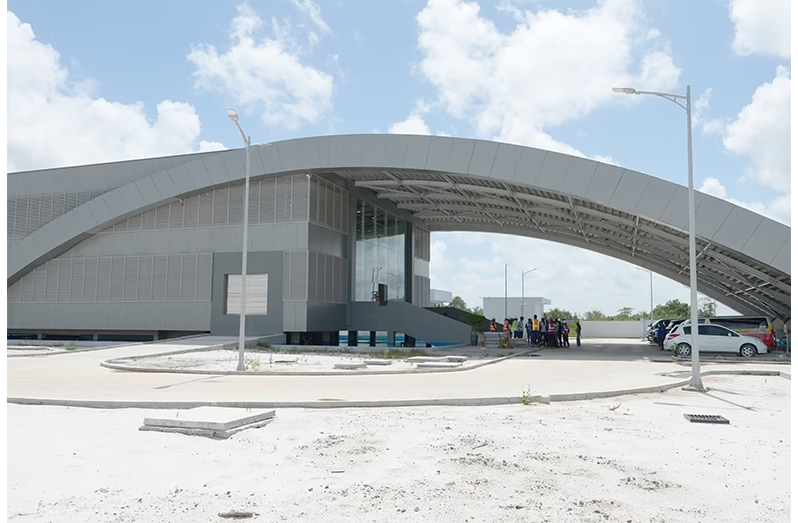
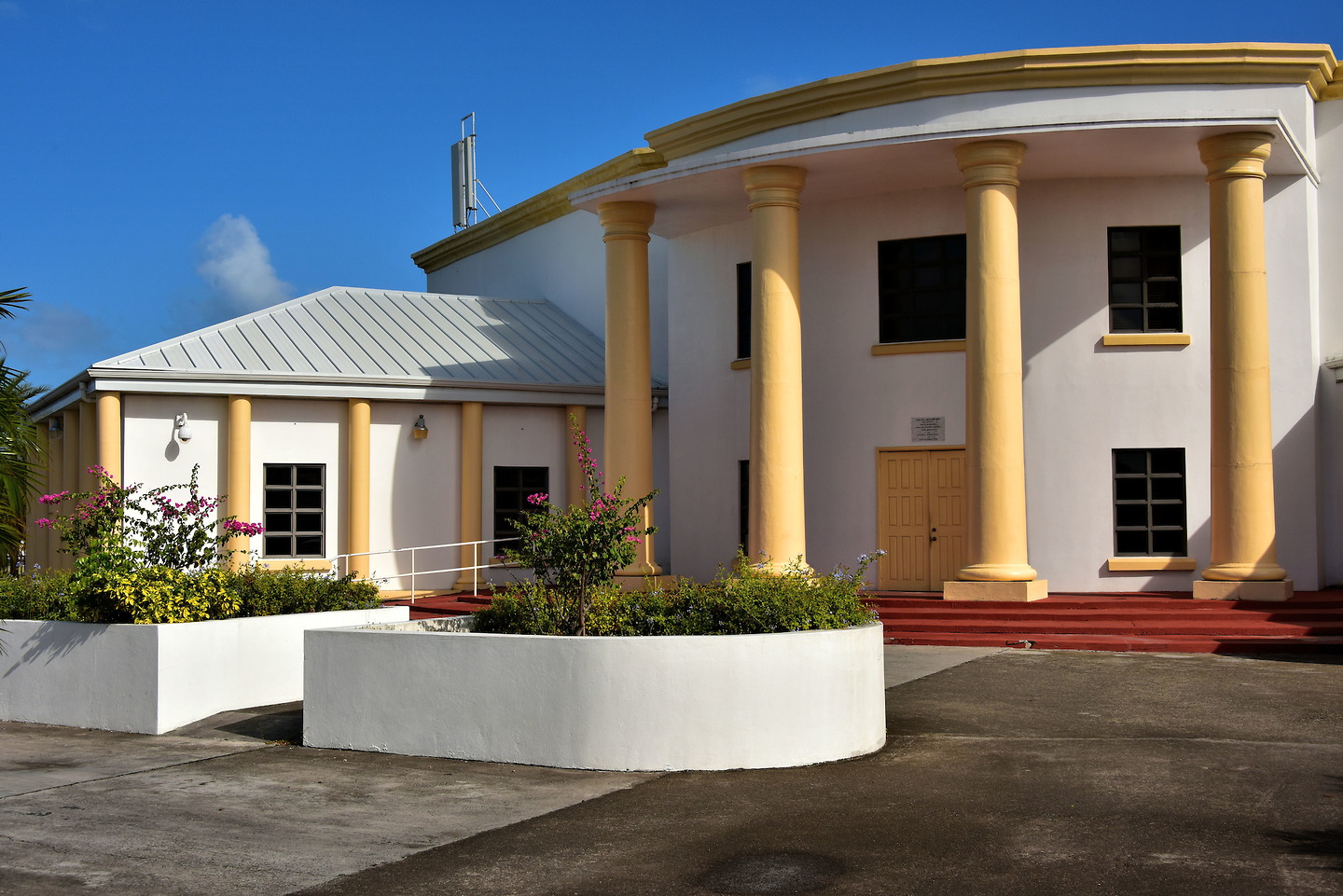
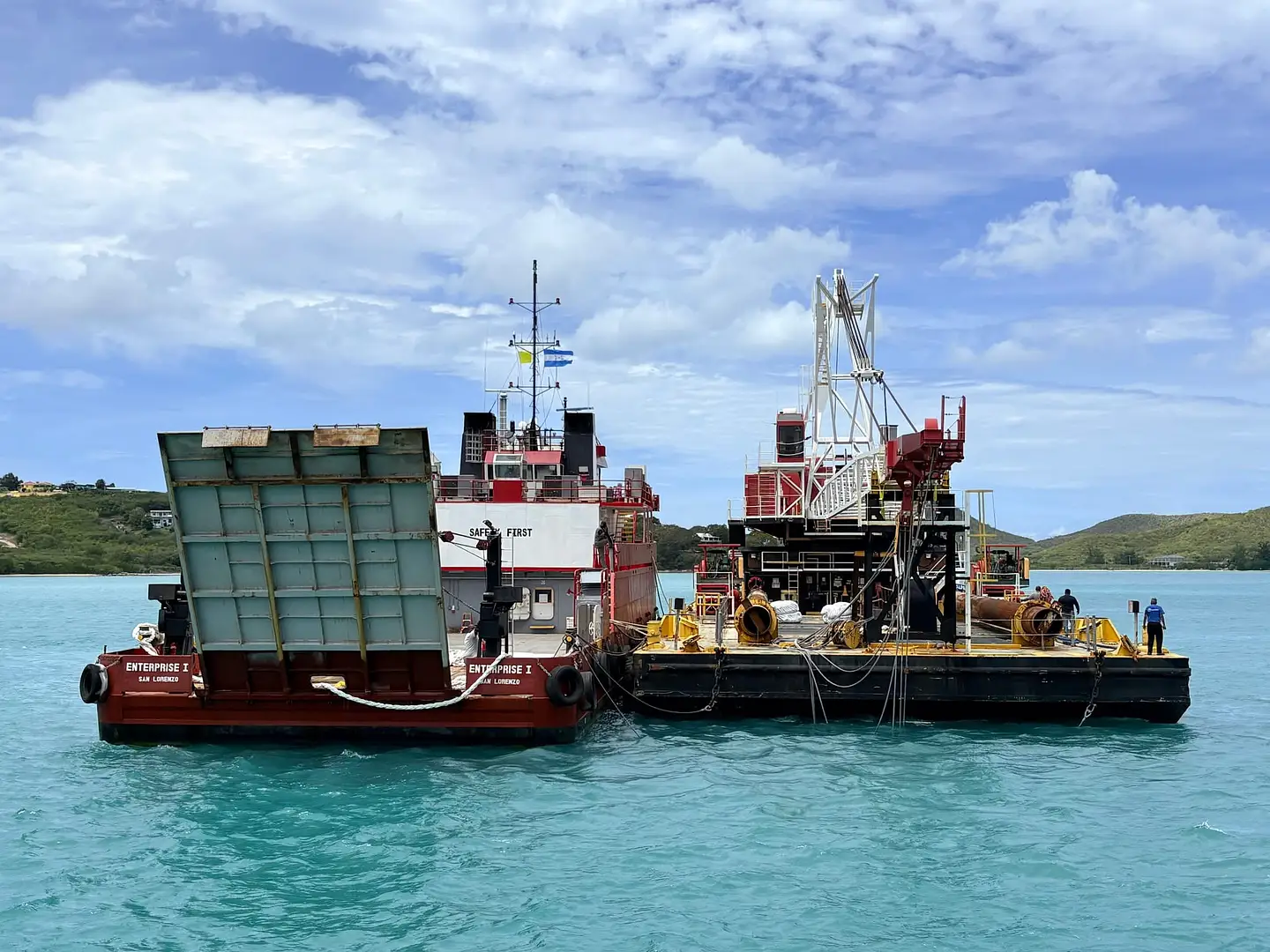
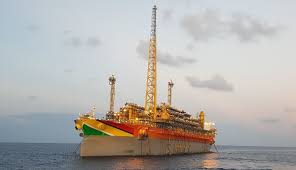
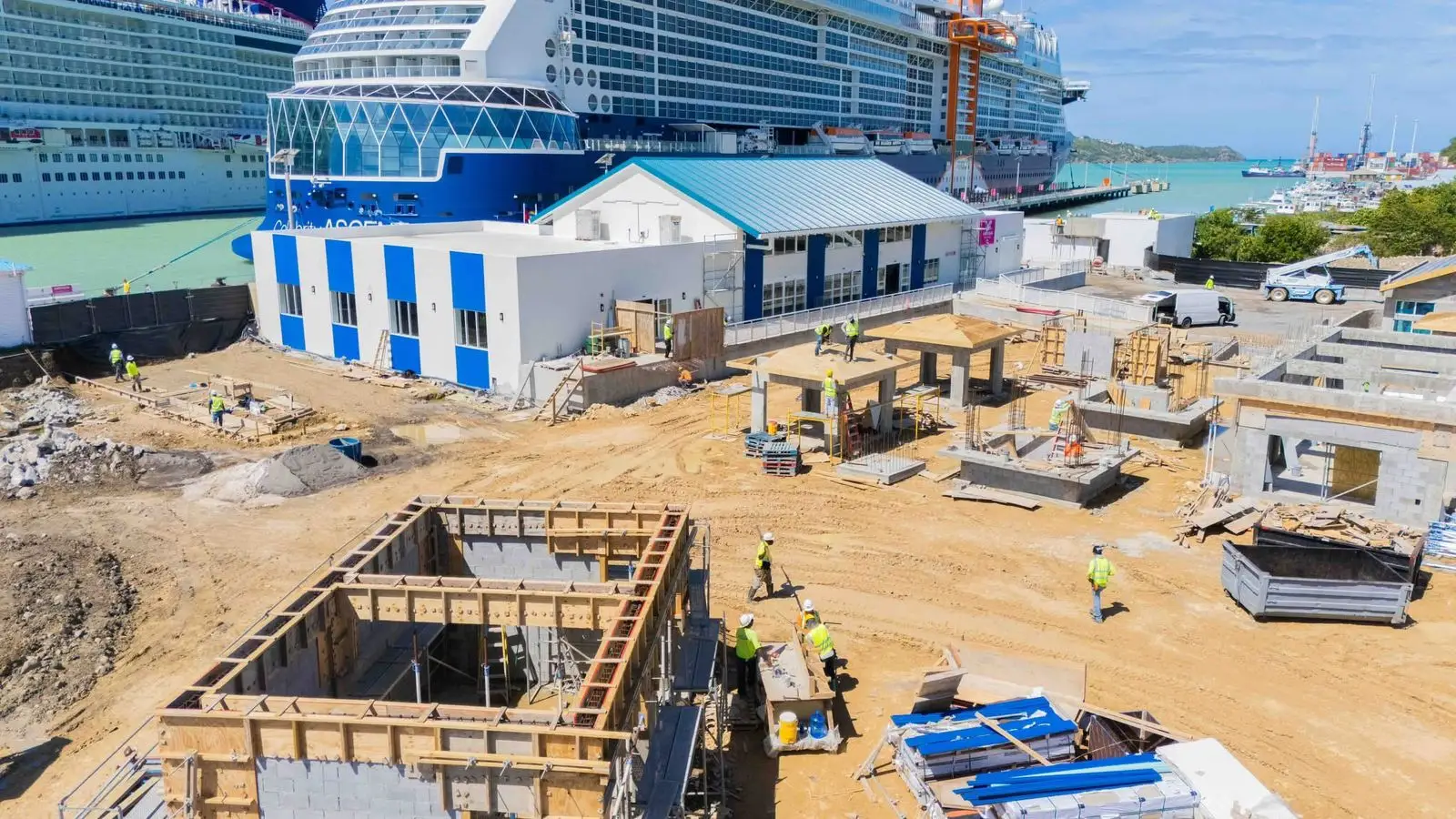
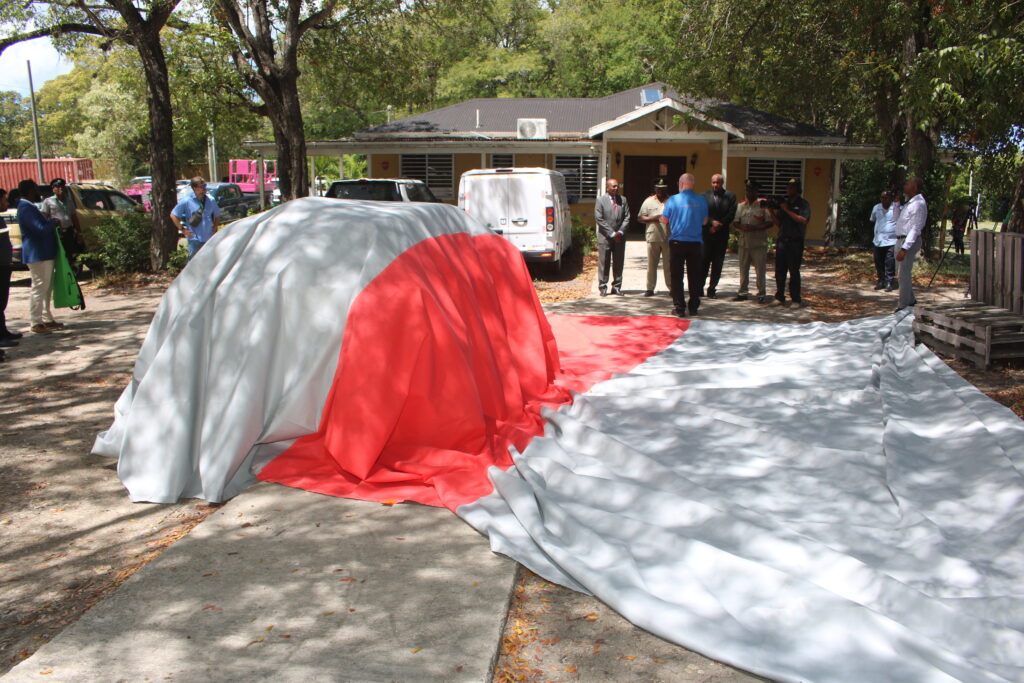
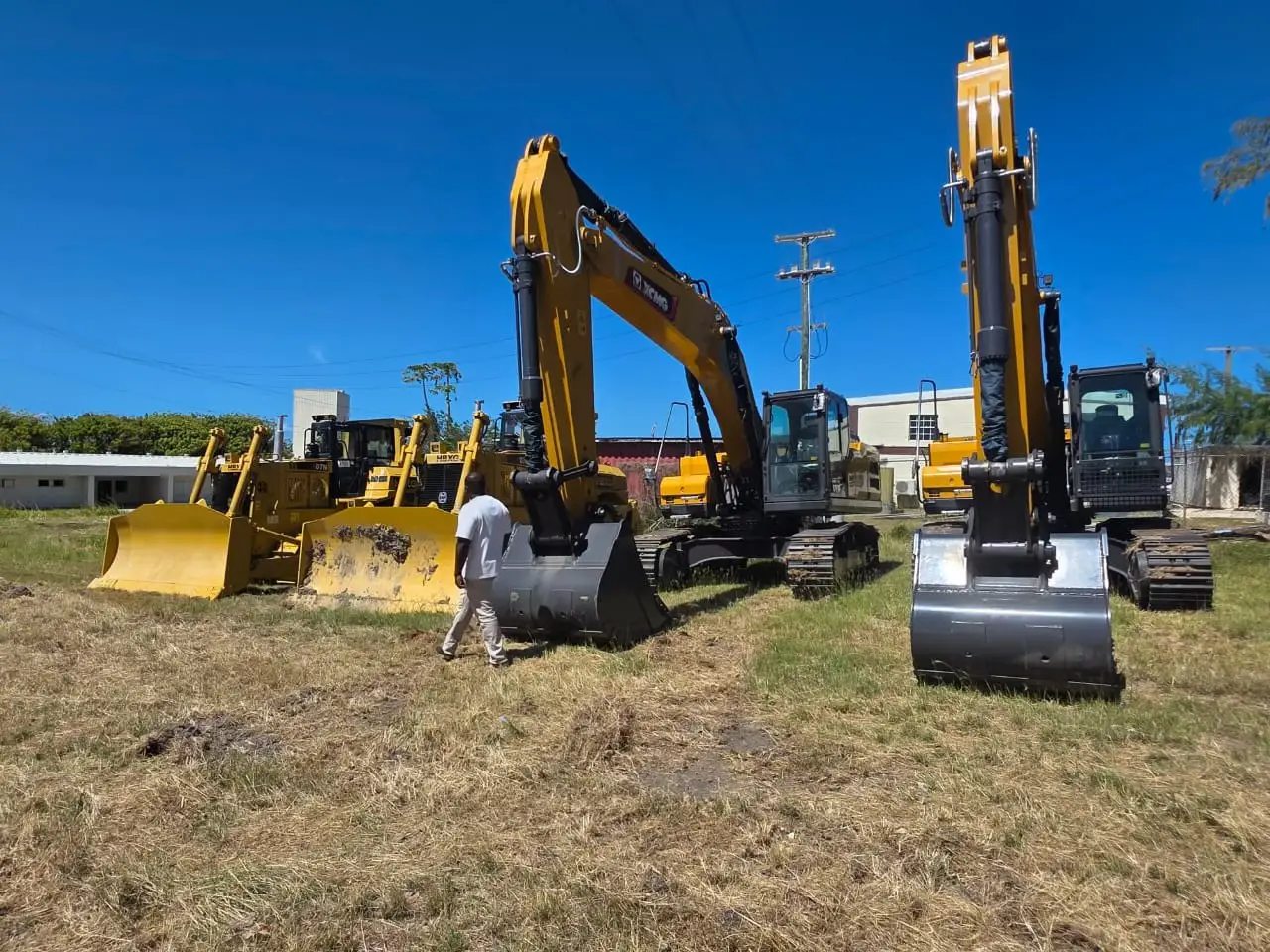
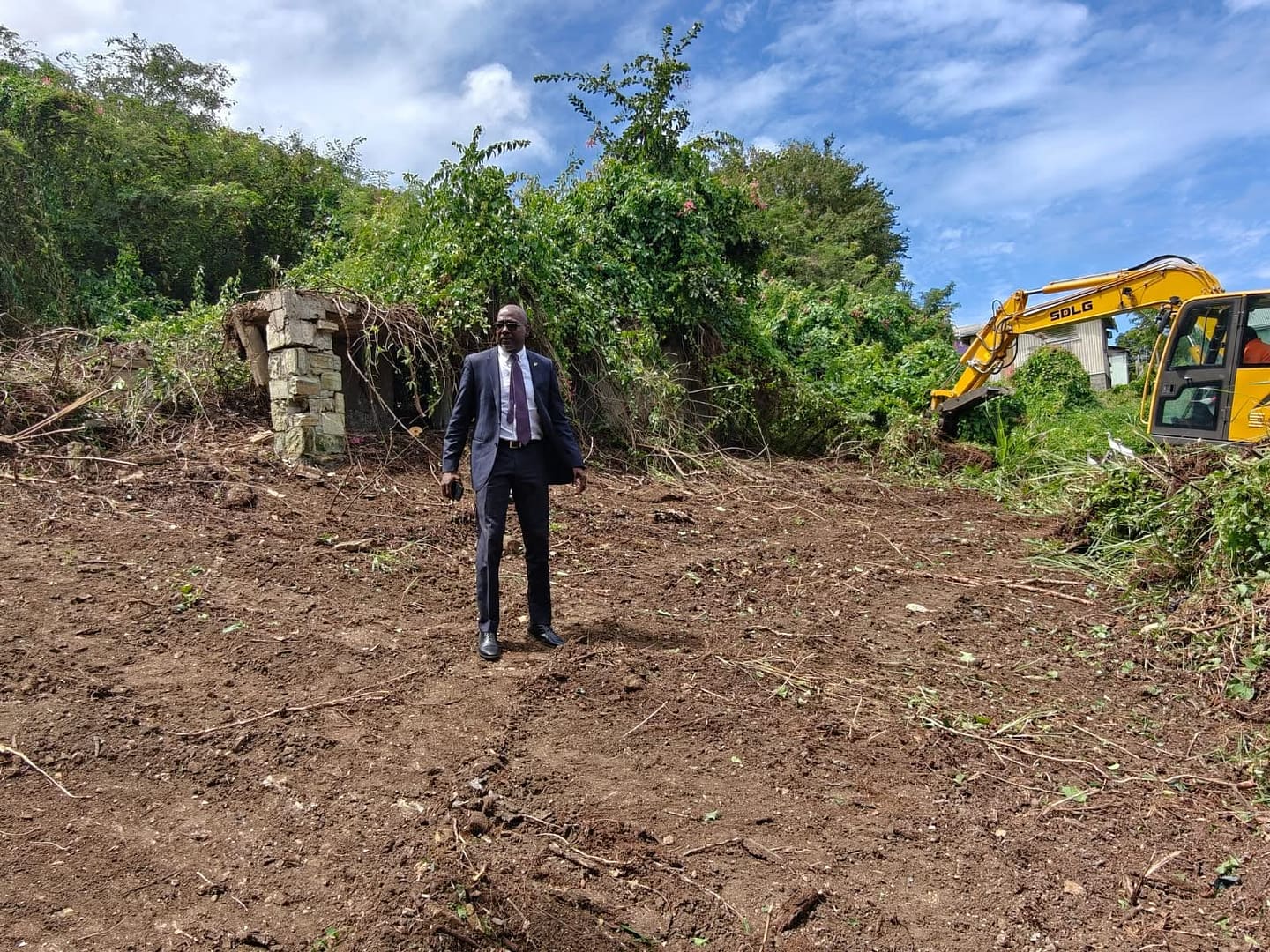
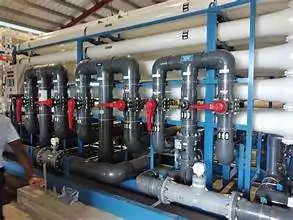
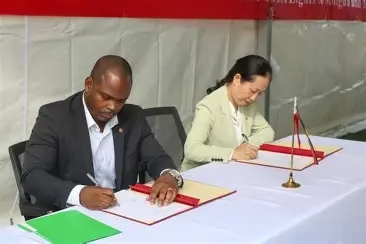
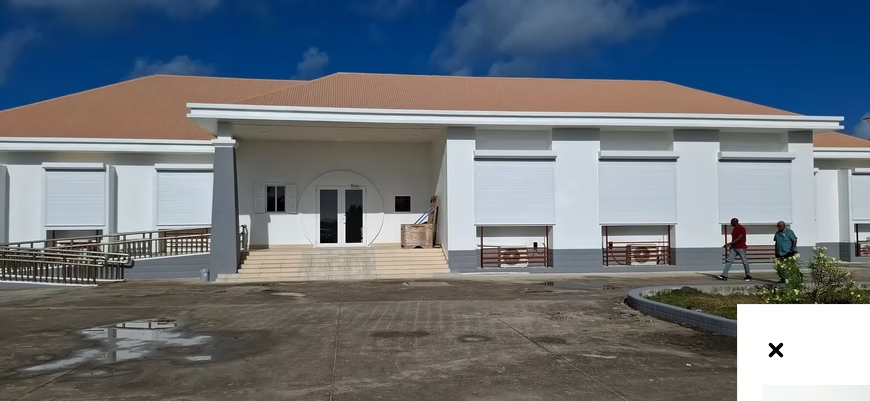
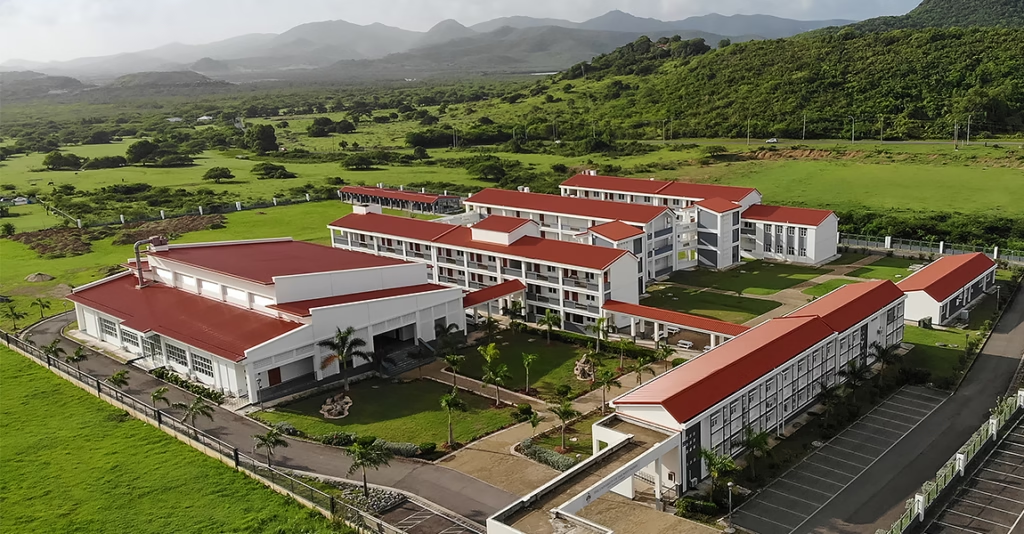
Earlier, the government commissioned a second reverse osmosis plant. The facility forms part of the APUA and Seven Seas Water partnership. As a result, national output increased by two million gallons daily.
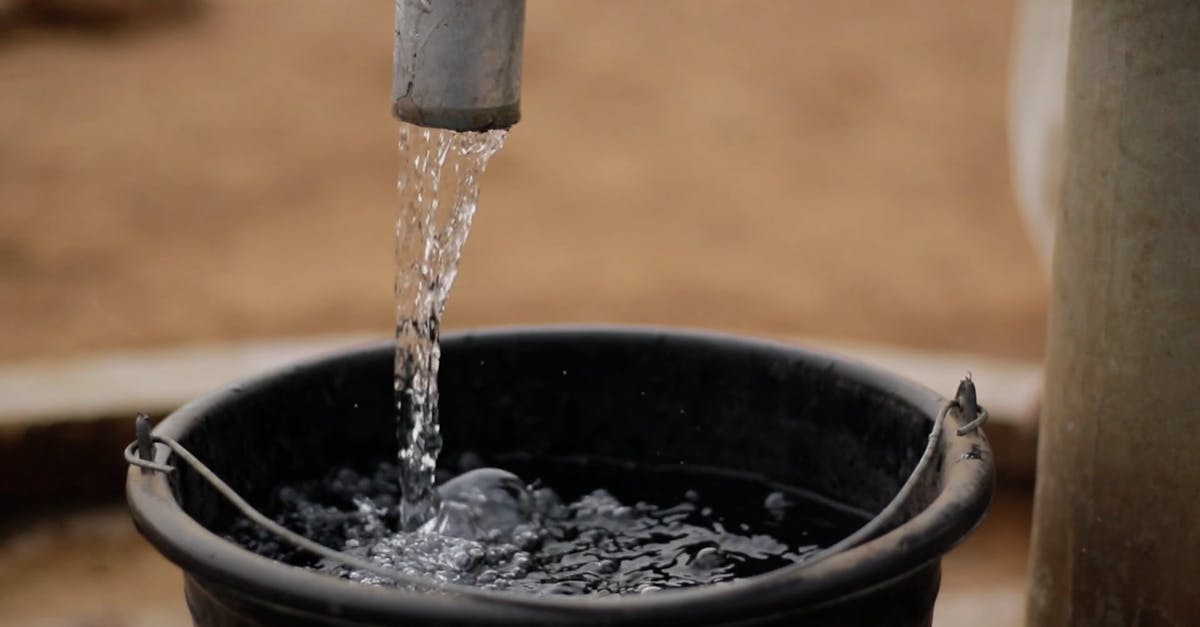
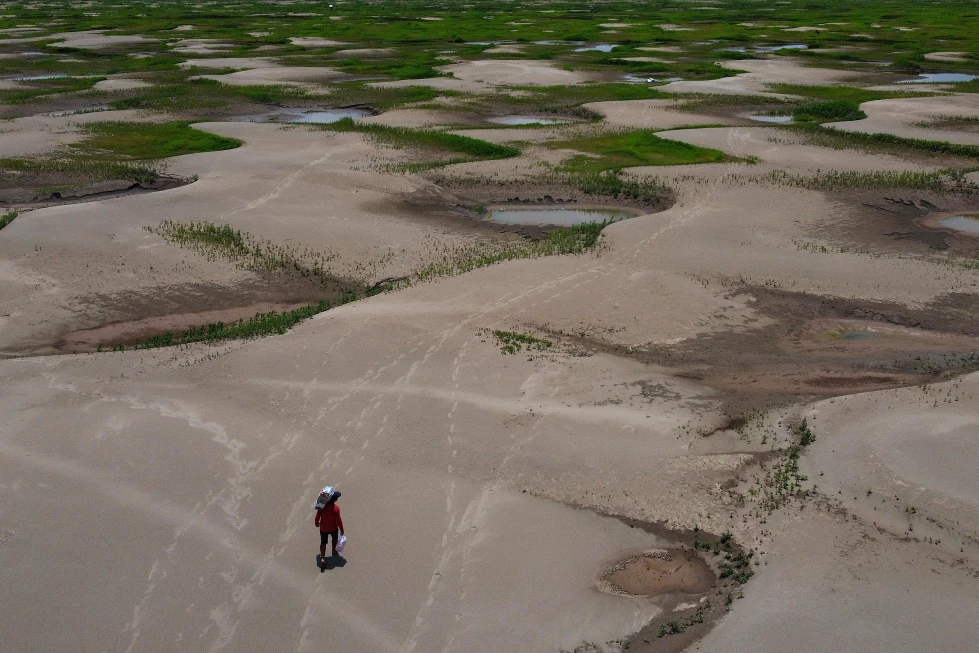
Overall, production now meets domestic demand, according to officials. However, Browne said production alone means little. Instead, reliable distribution must follow.
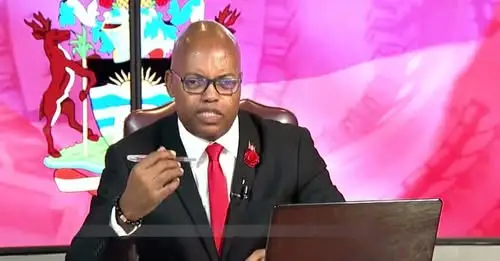
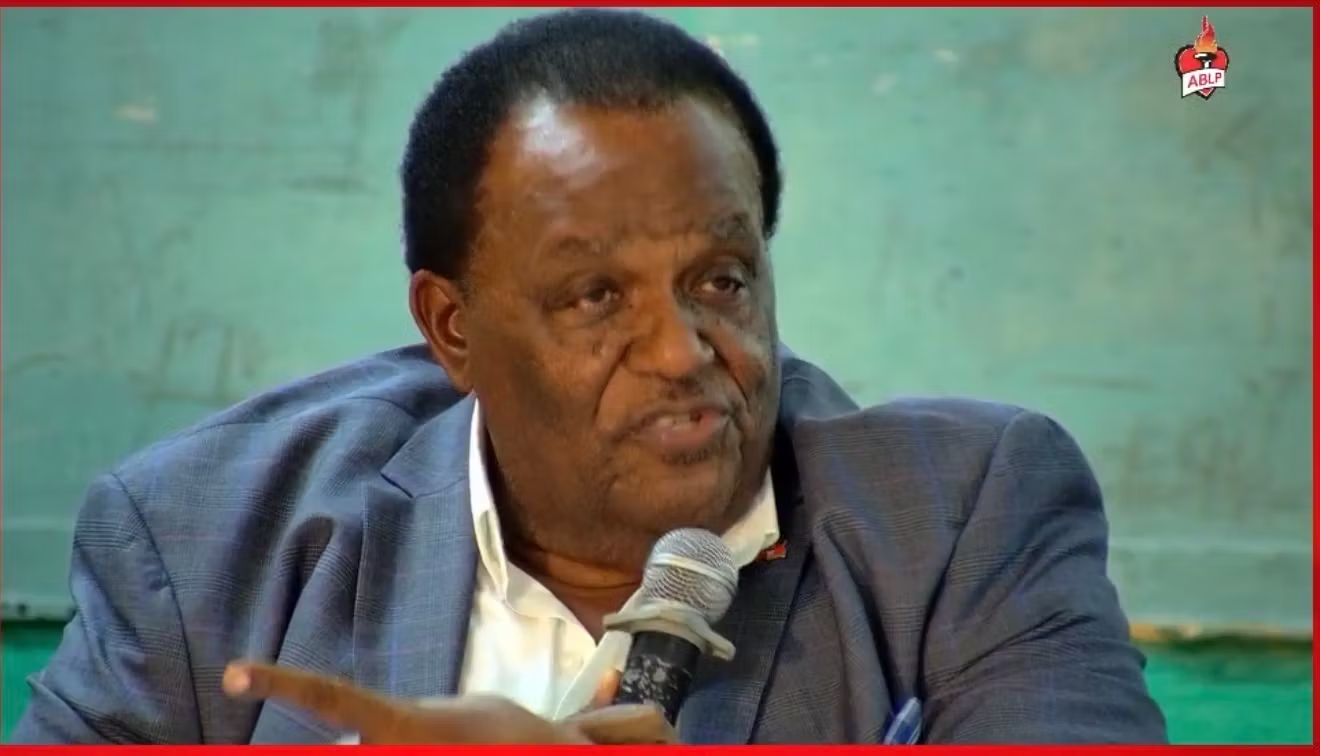
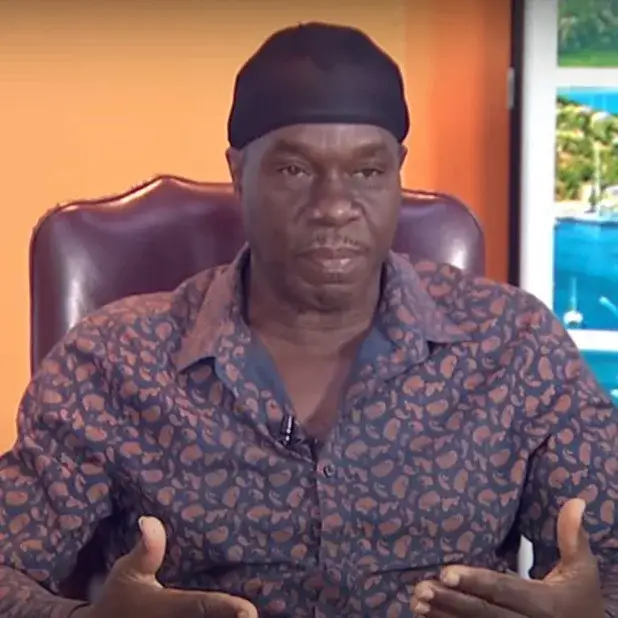
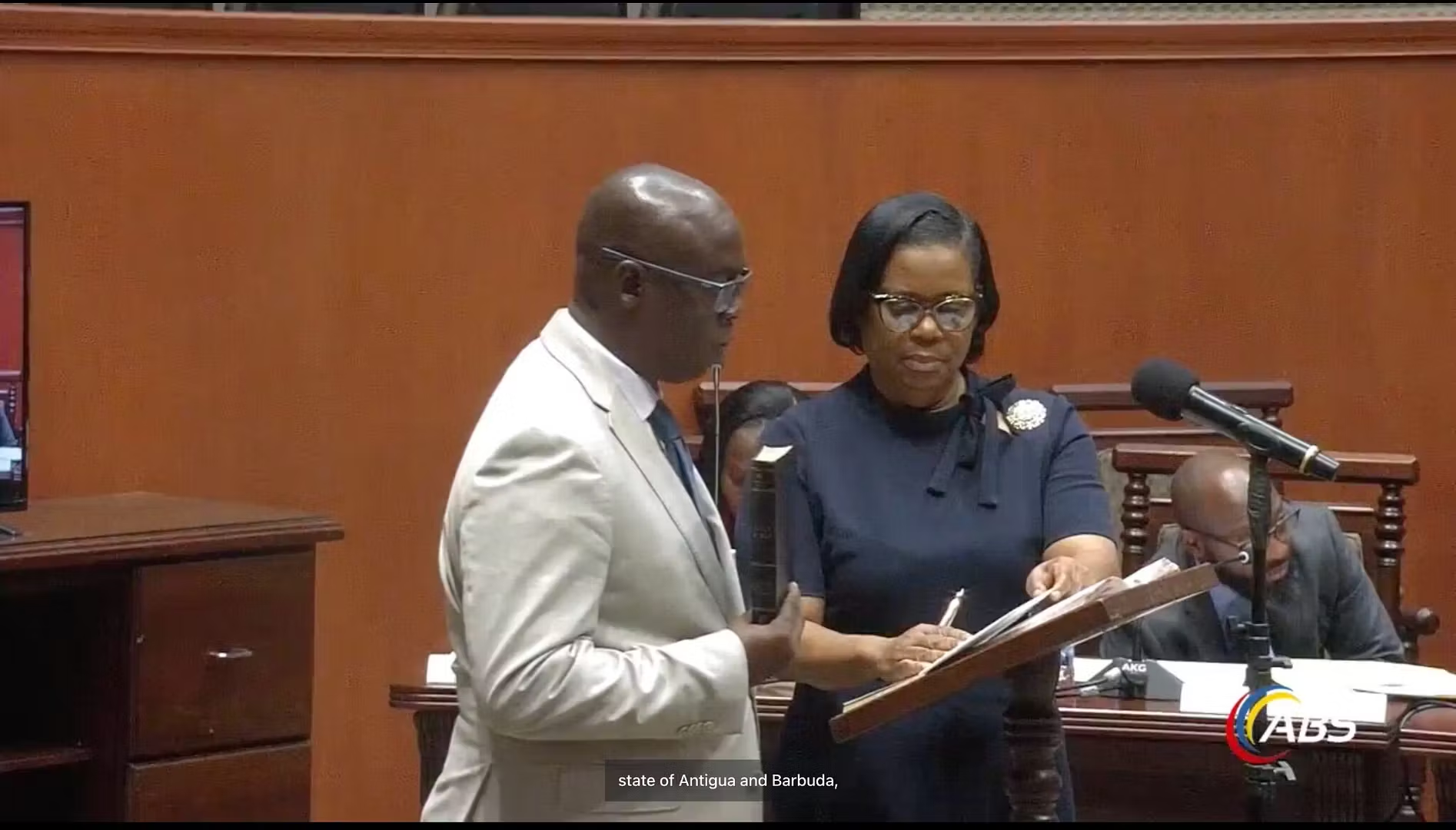
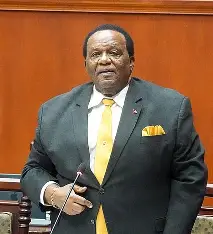
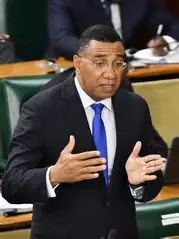
“For that reason, blaze me, blaze the minister,” Browne said. Still, he added, “blaze the minister more.” He stressed that criticism drives accountability.
Moreover, Browne said essential services demand results. When water fails to reach homes, frustration grows. Therefore, leaders must answer.
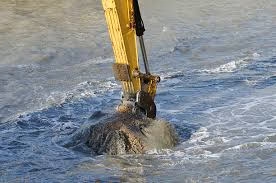
While acknowledging progress, Browne reflected on past investments. Over time, the government spent hundreds of millions on water infrastructure. Consequently, production capacity expanded significantly.
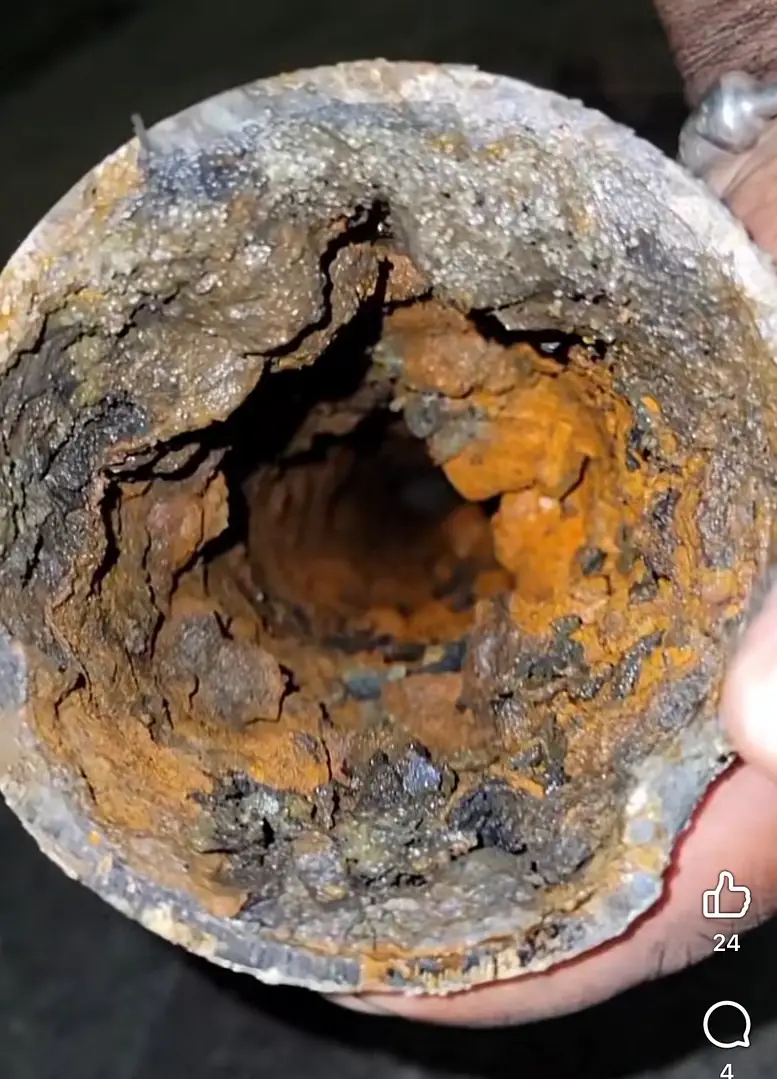
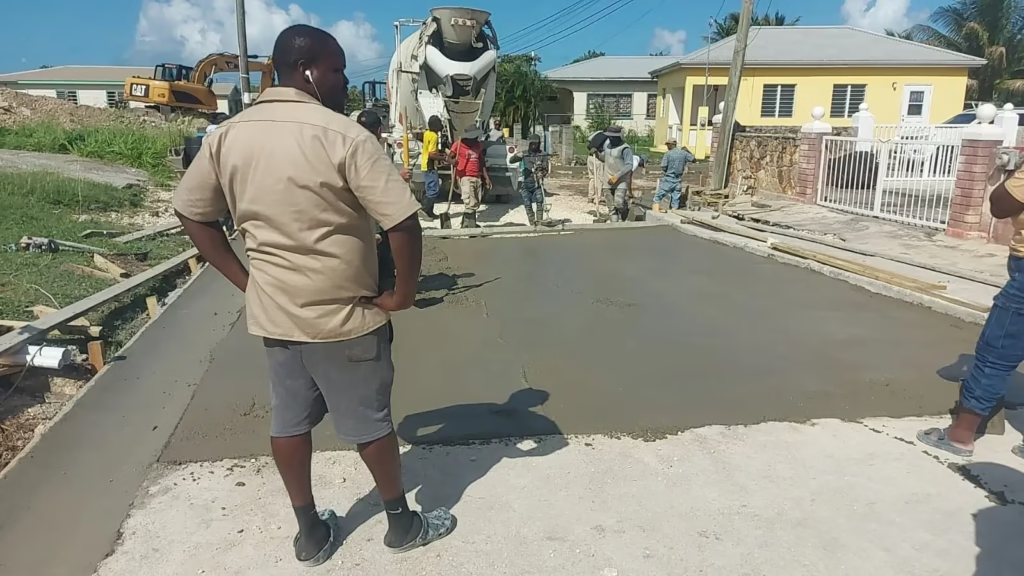
Yet, Browne said focus must now shift. Distribution failures, he argued, remain the weakest link. Thus, fixing pipelines and response times is urgent.
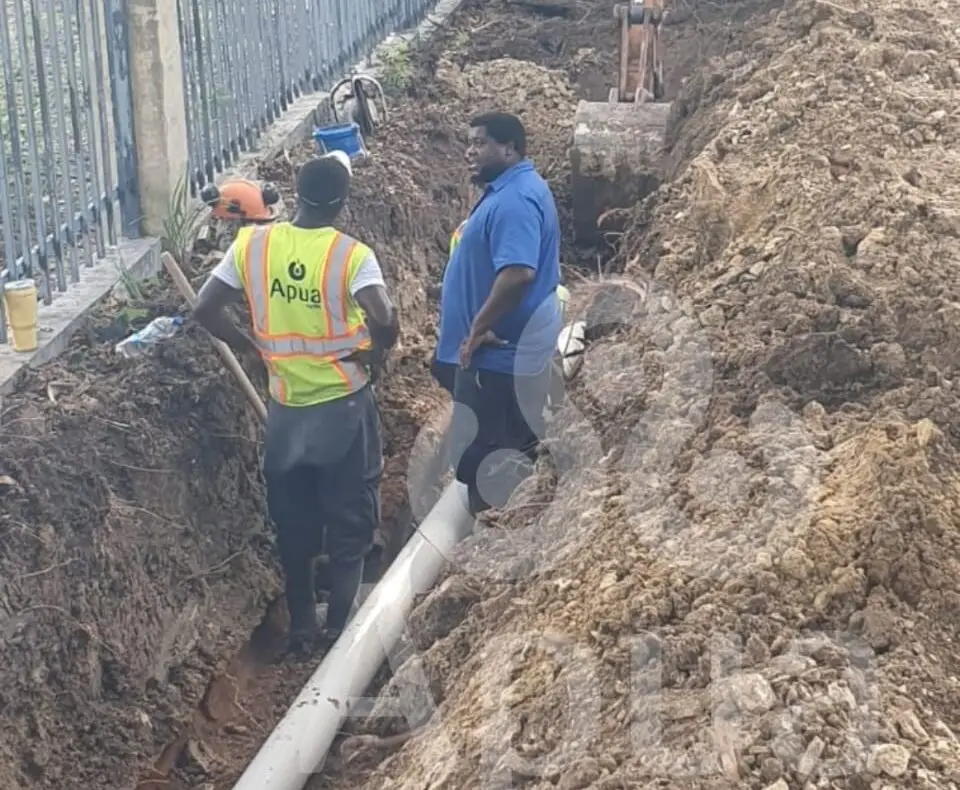
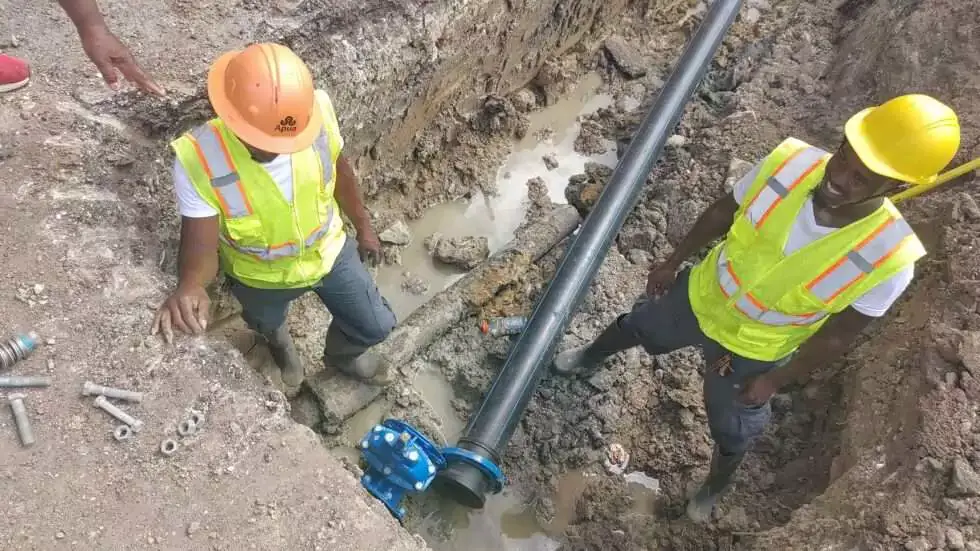
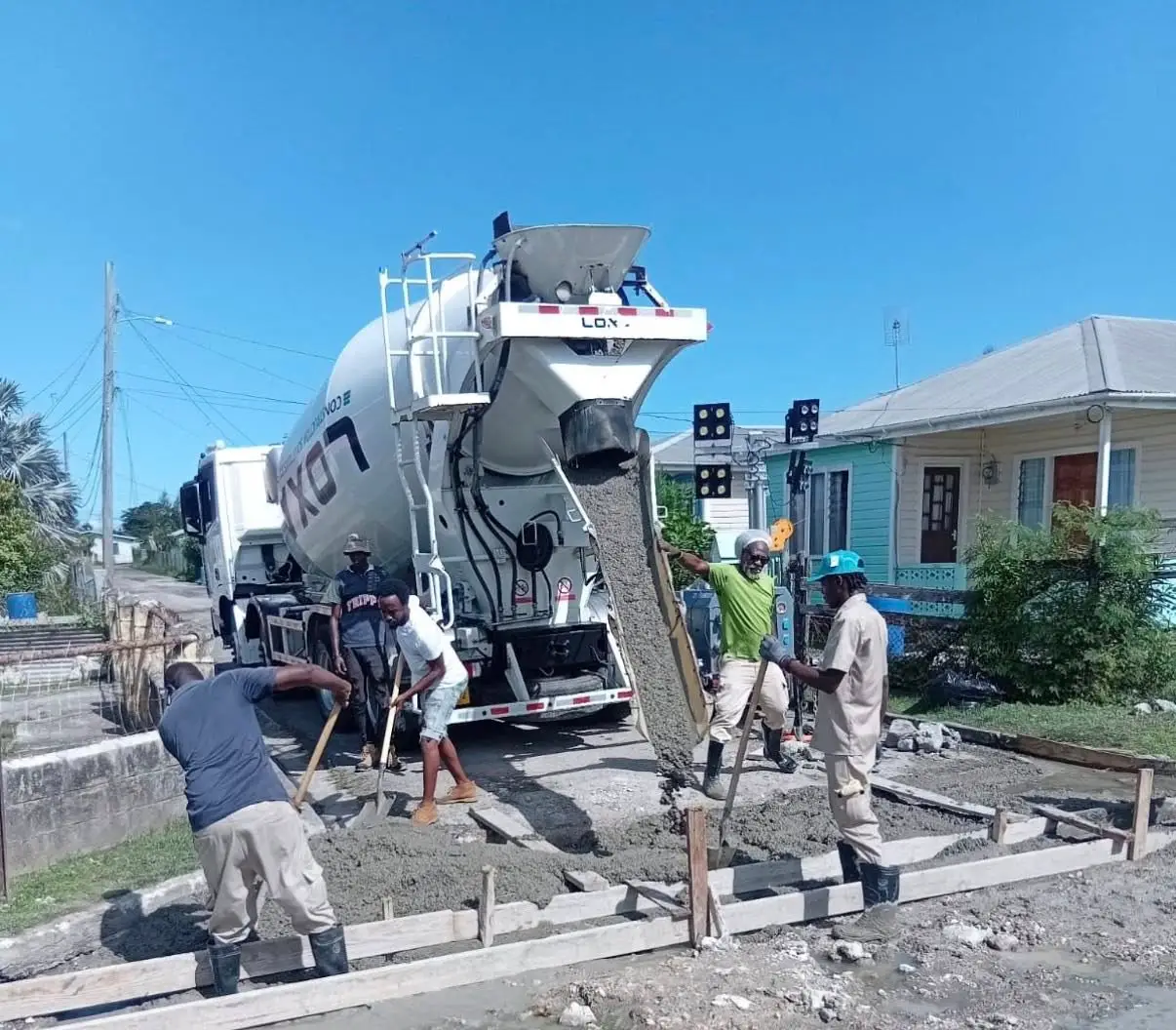
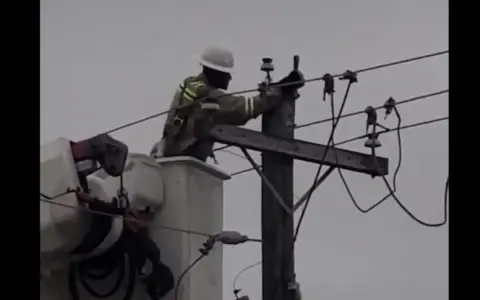
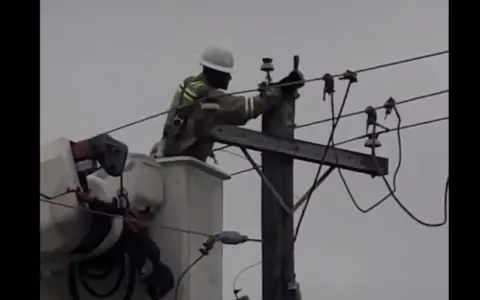
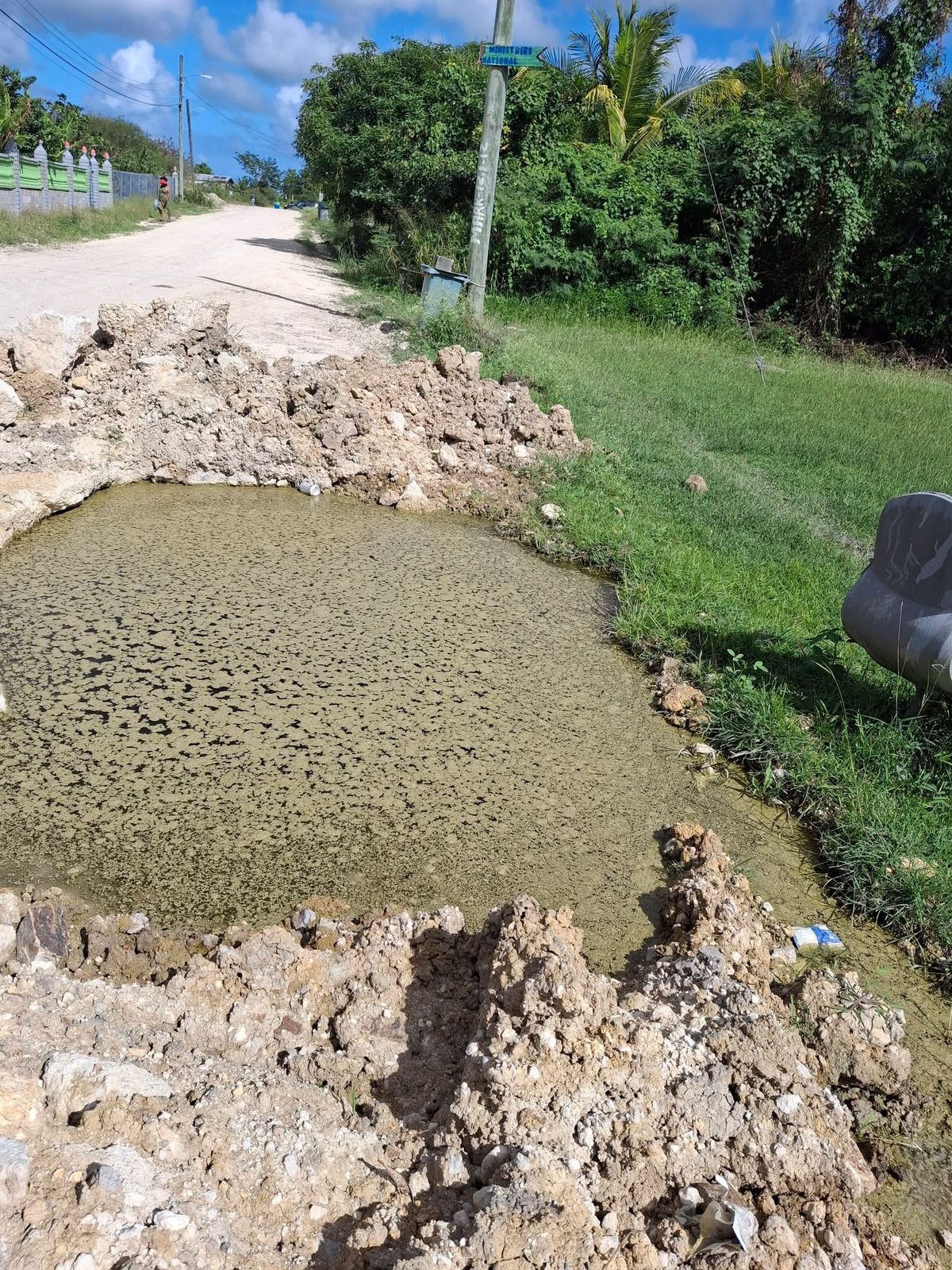
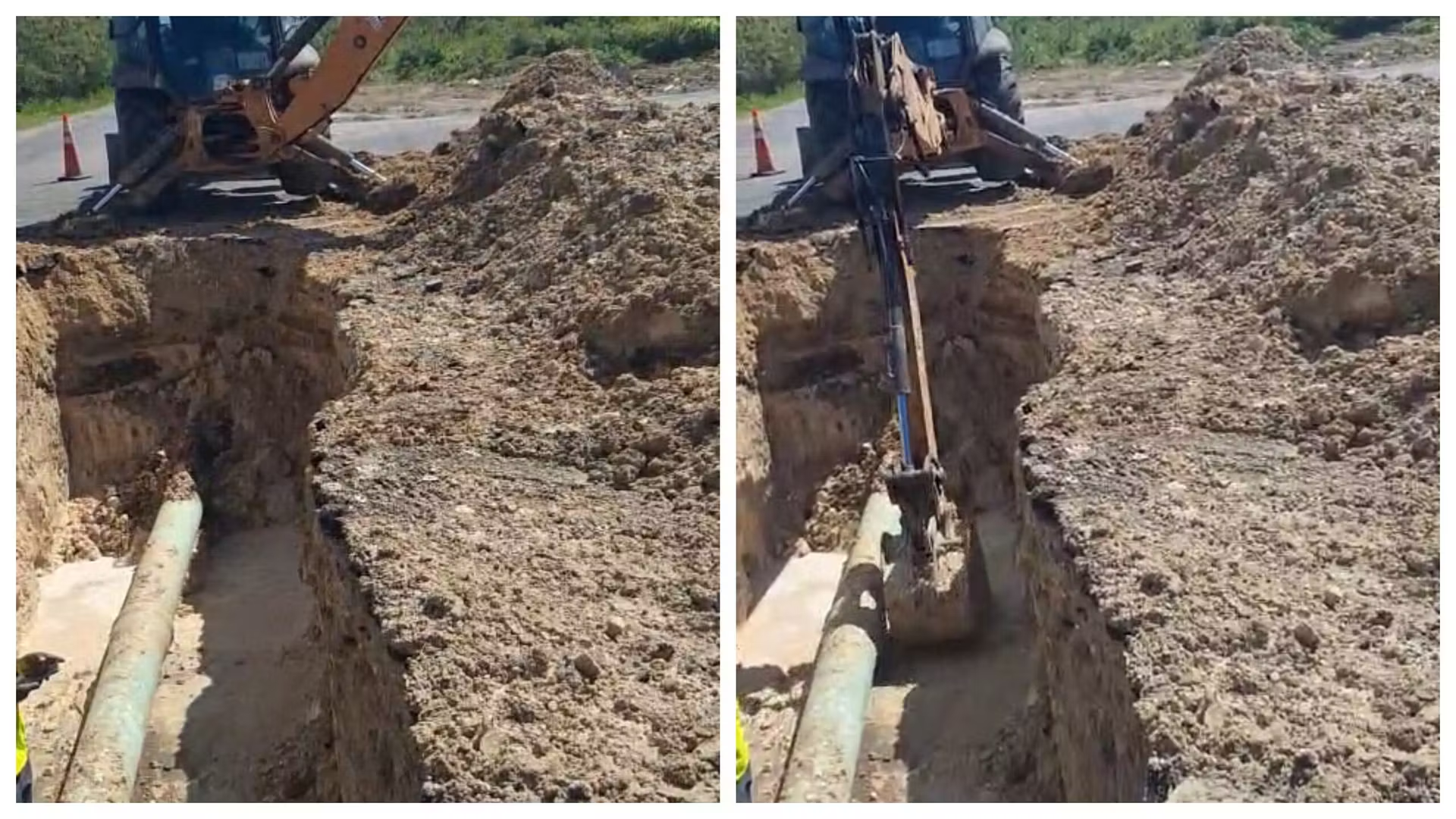
Specifically, Browne criticized slow repairs at APUA. He said broken mains often leave communities dry for days. That situation, he insisted, cannot continue.
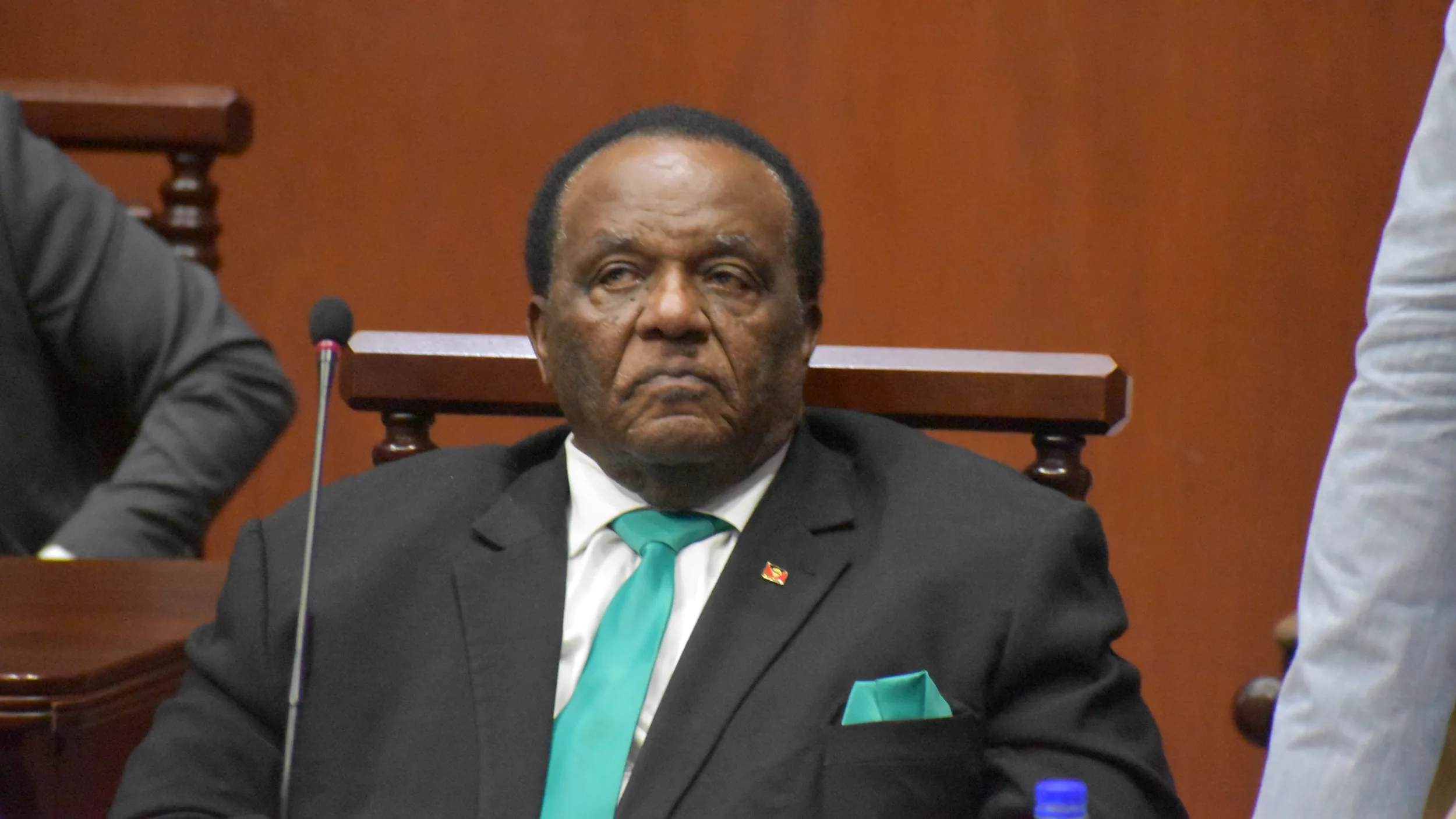
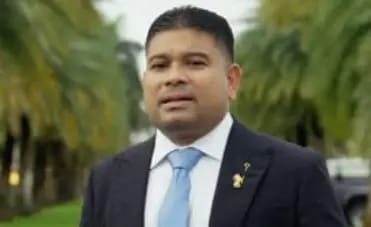
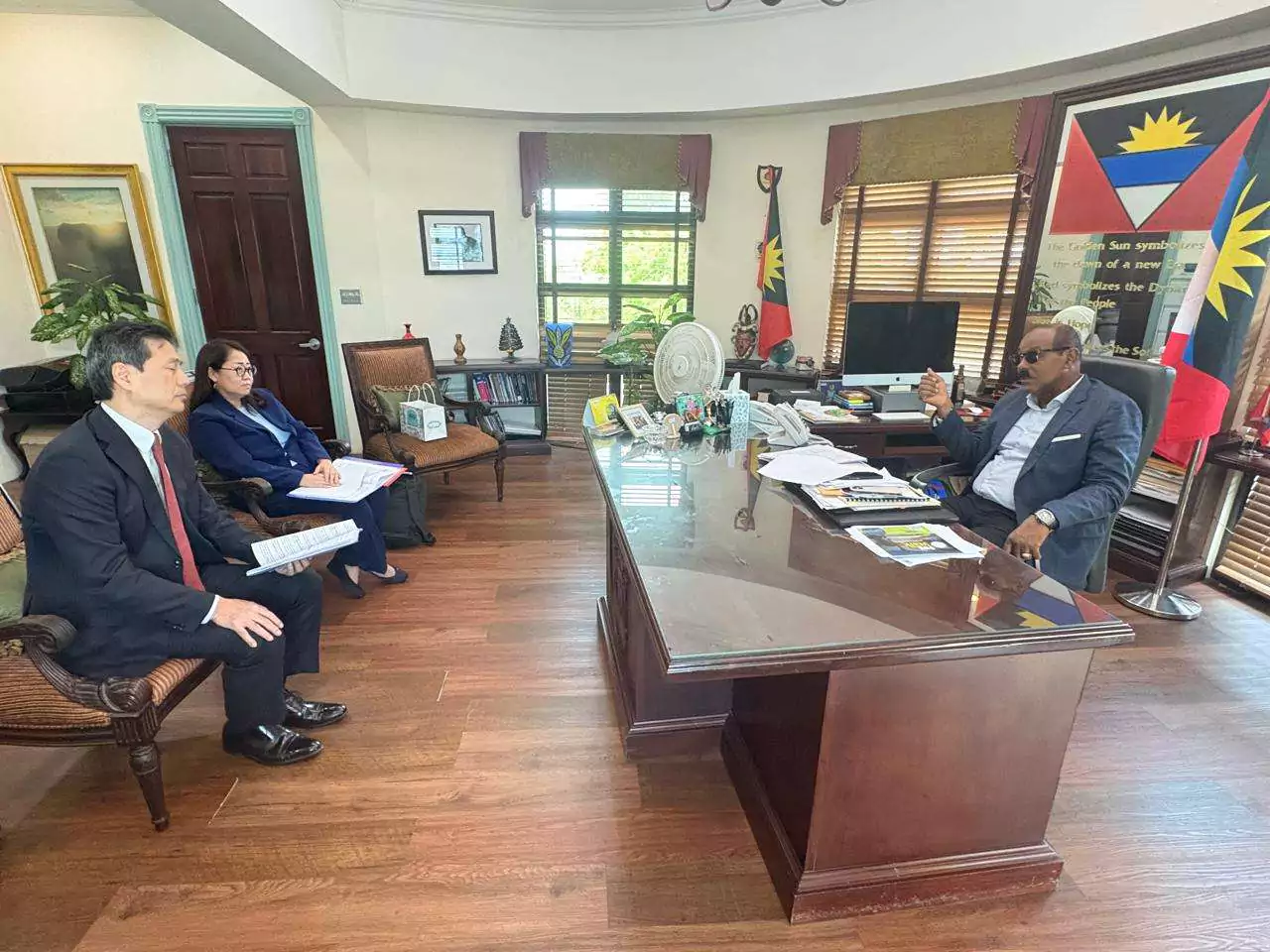
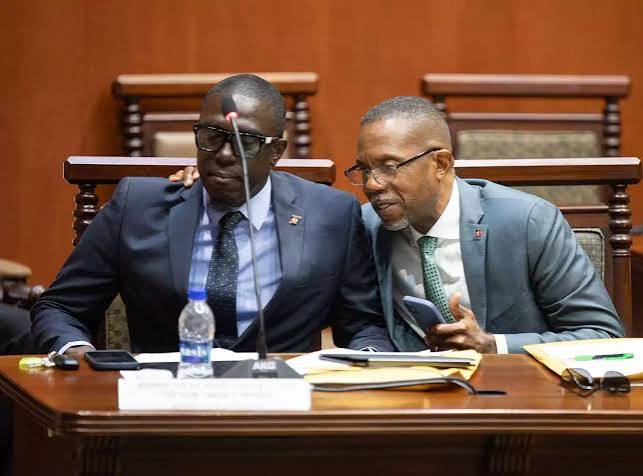
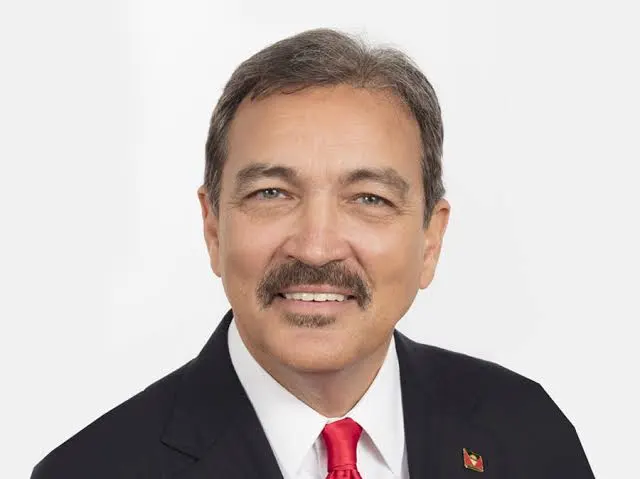
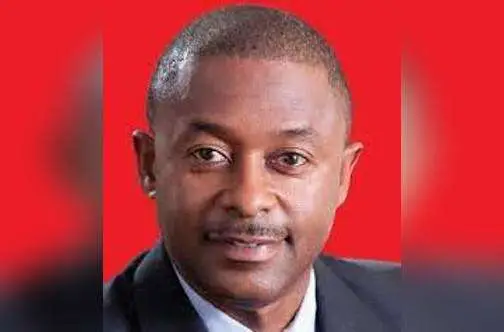
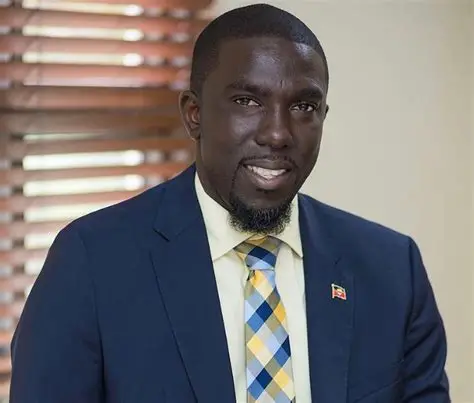
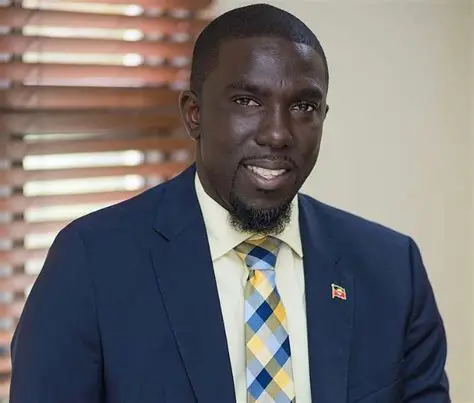
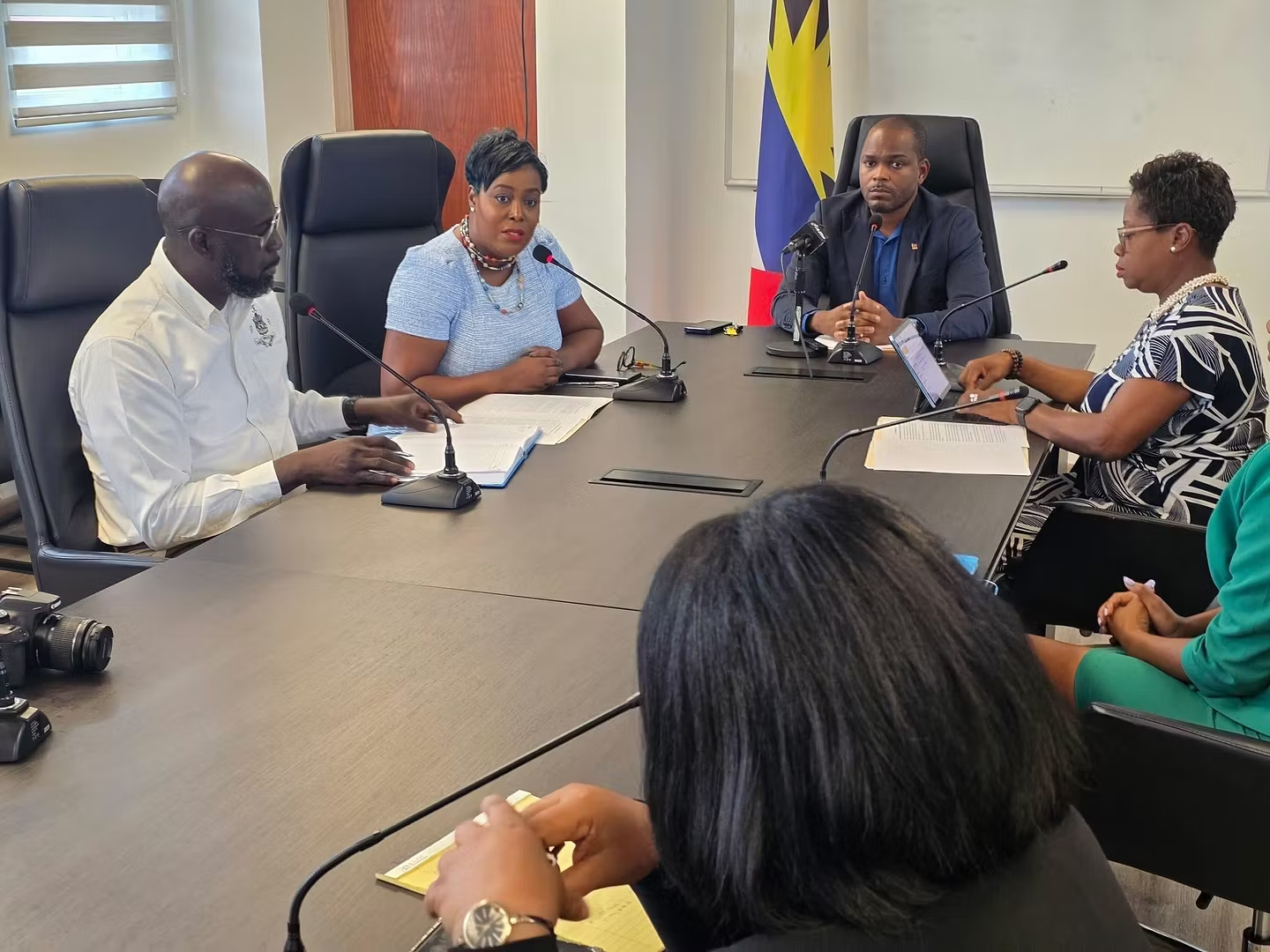
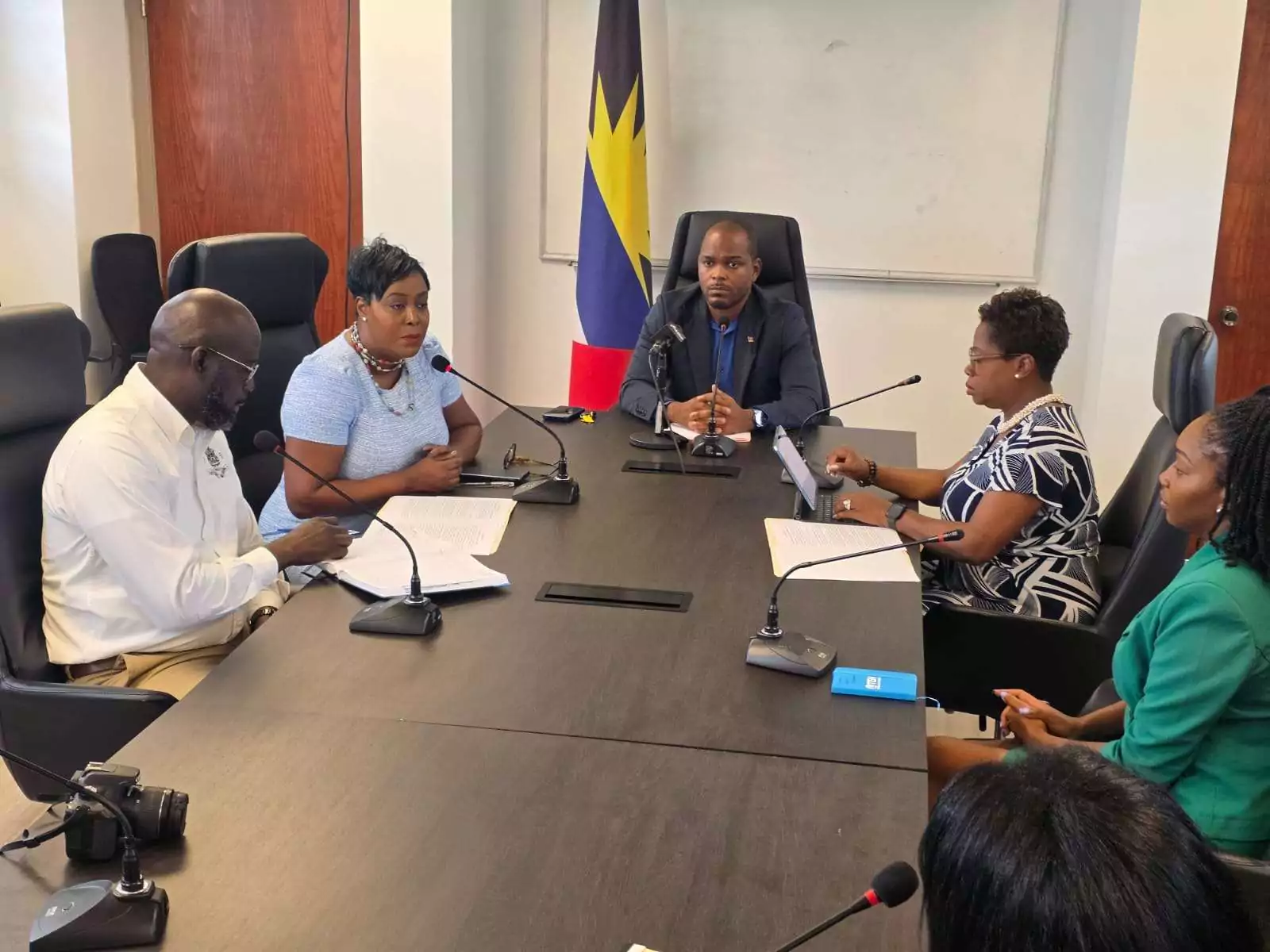
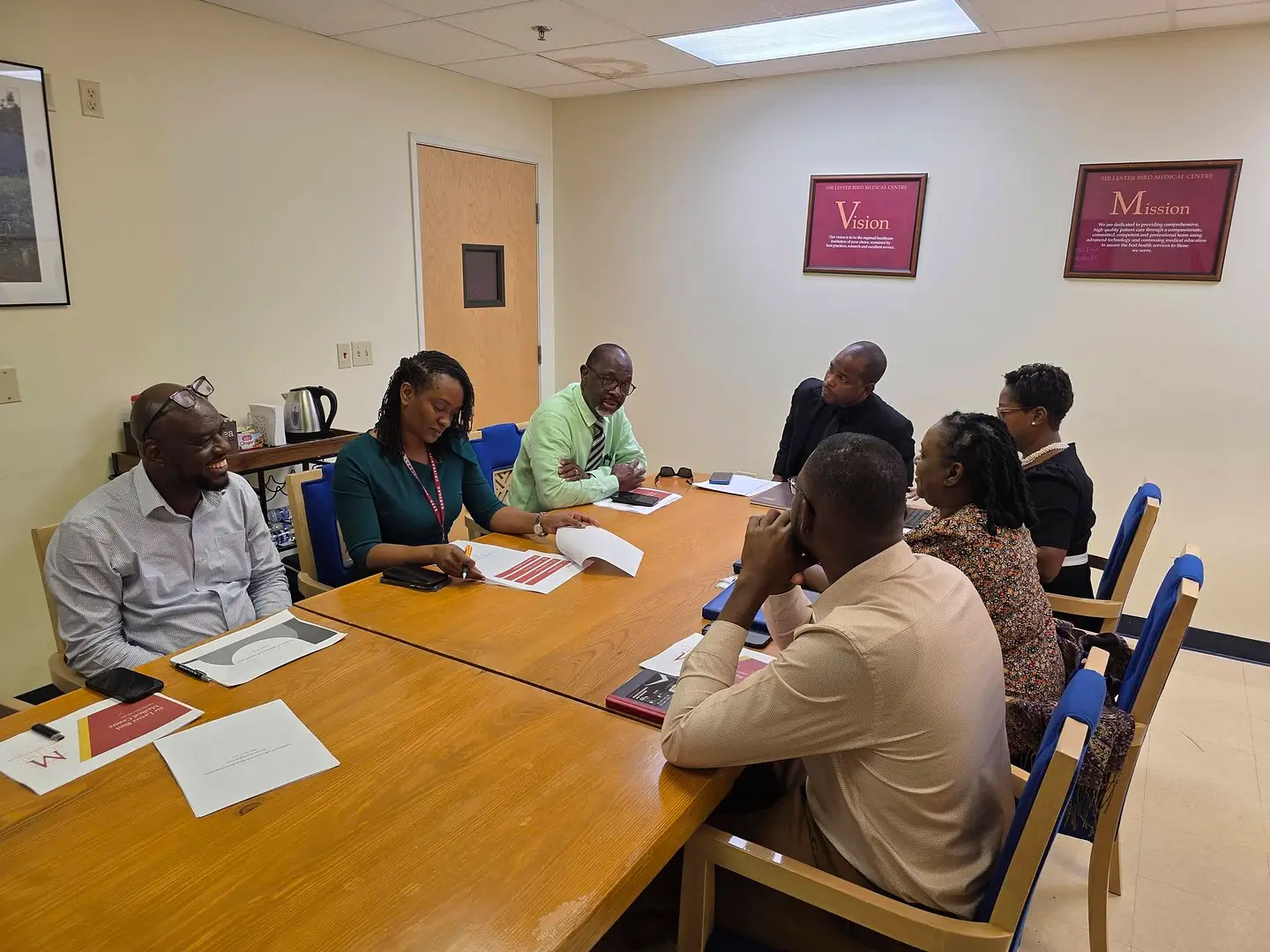
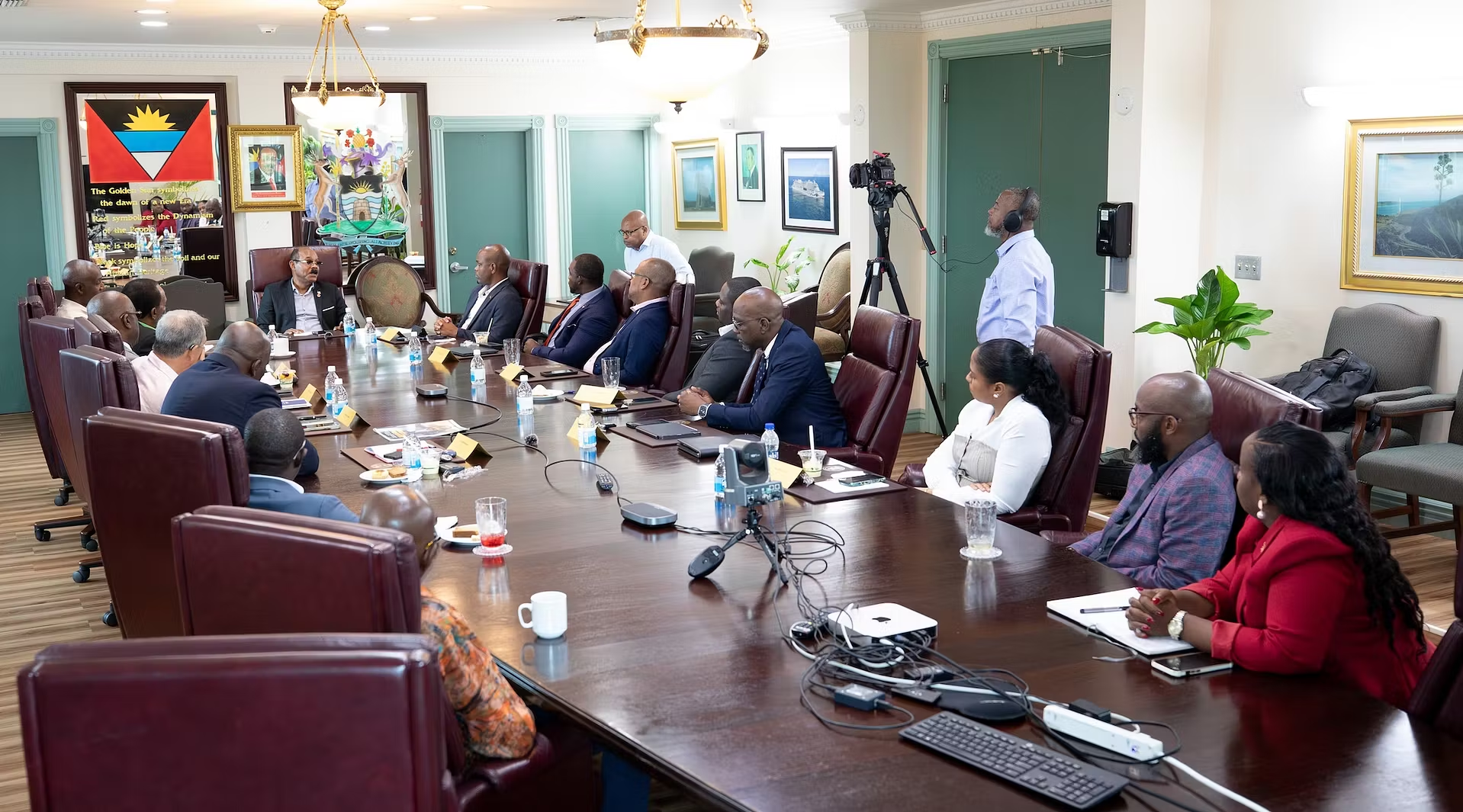
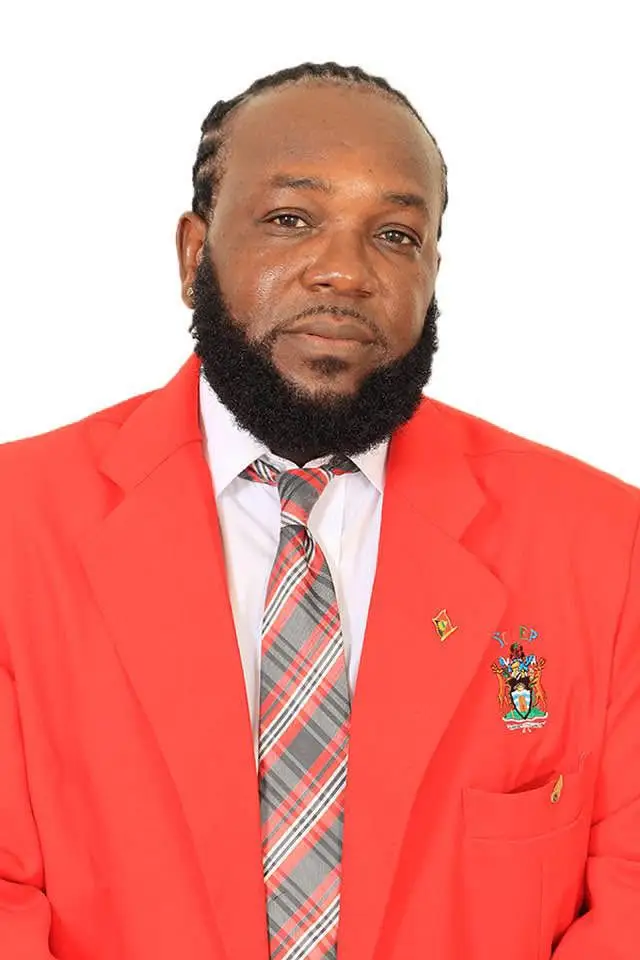
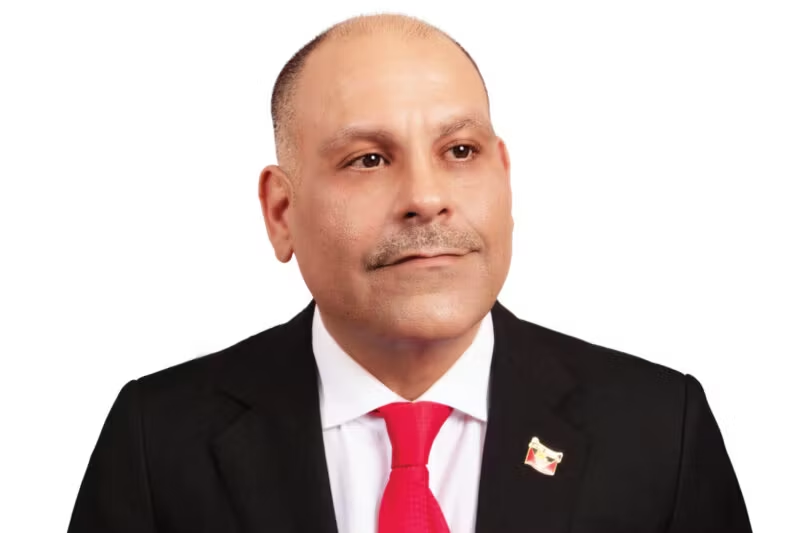
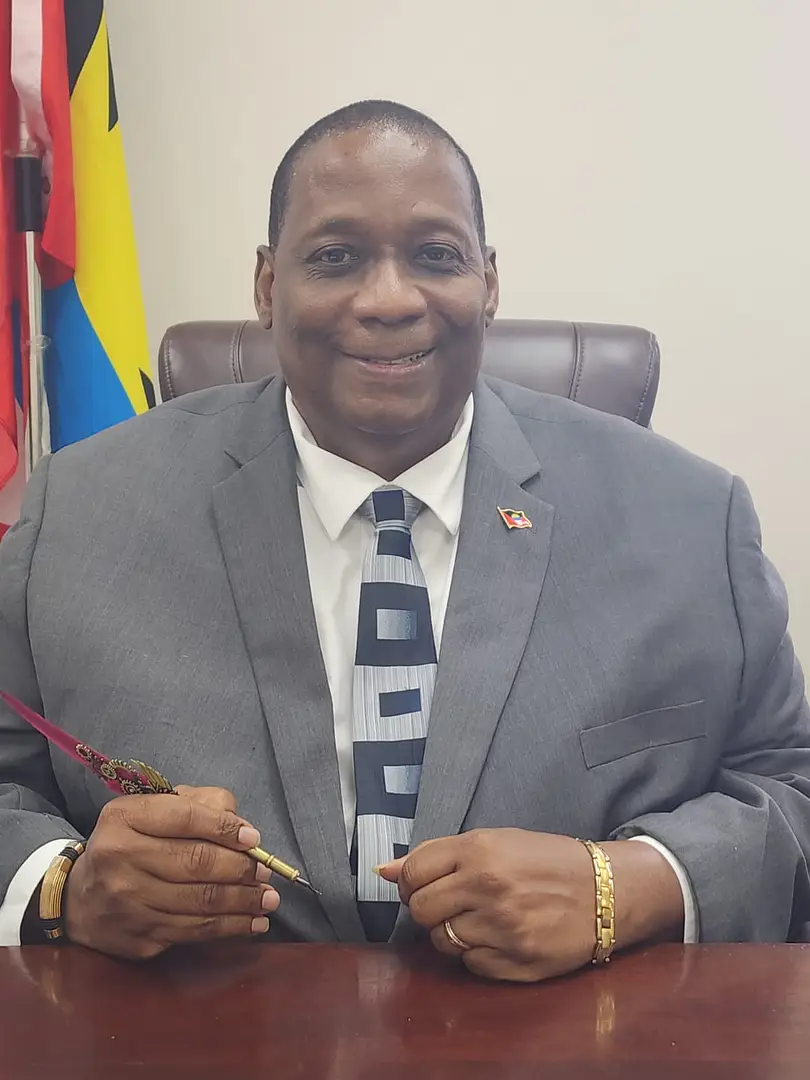
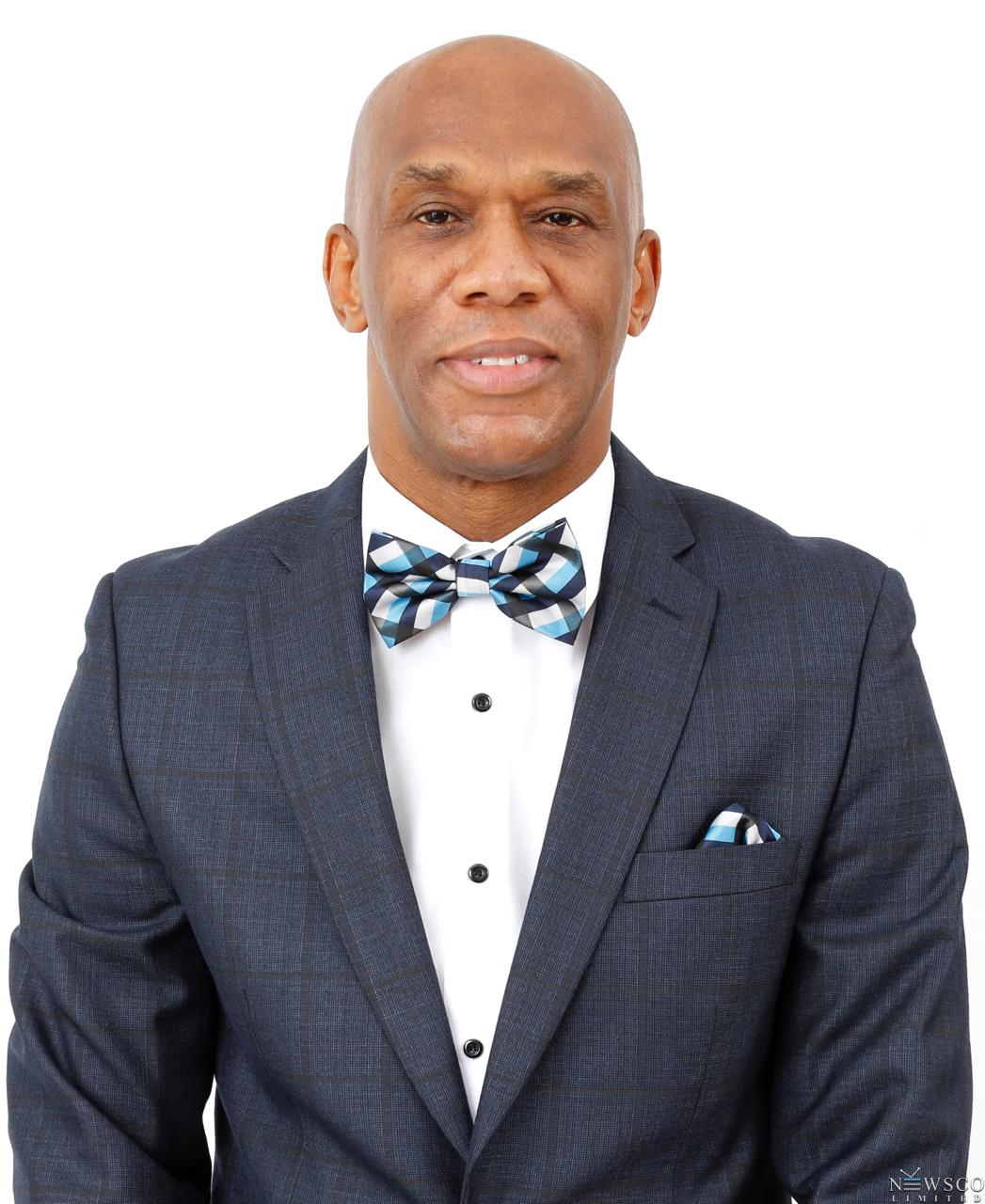
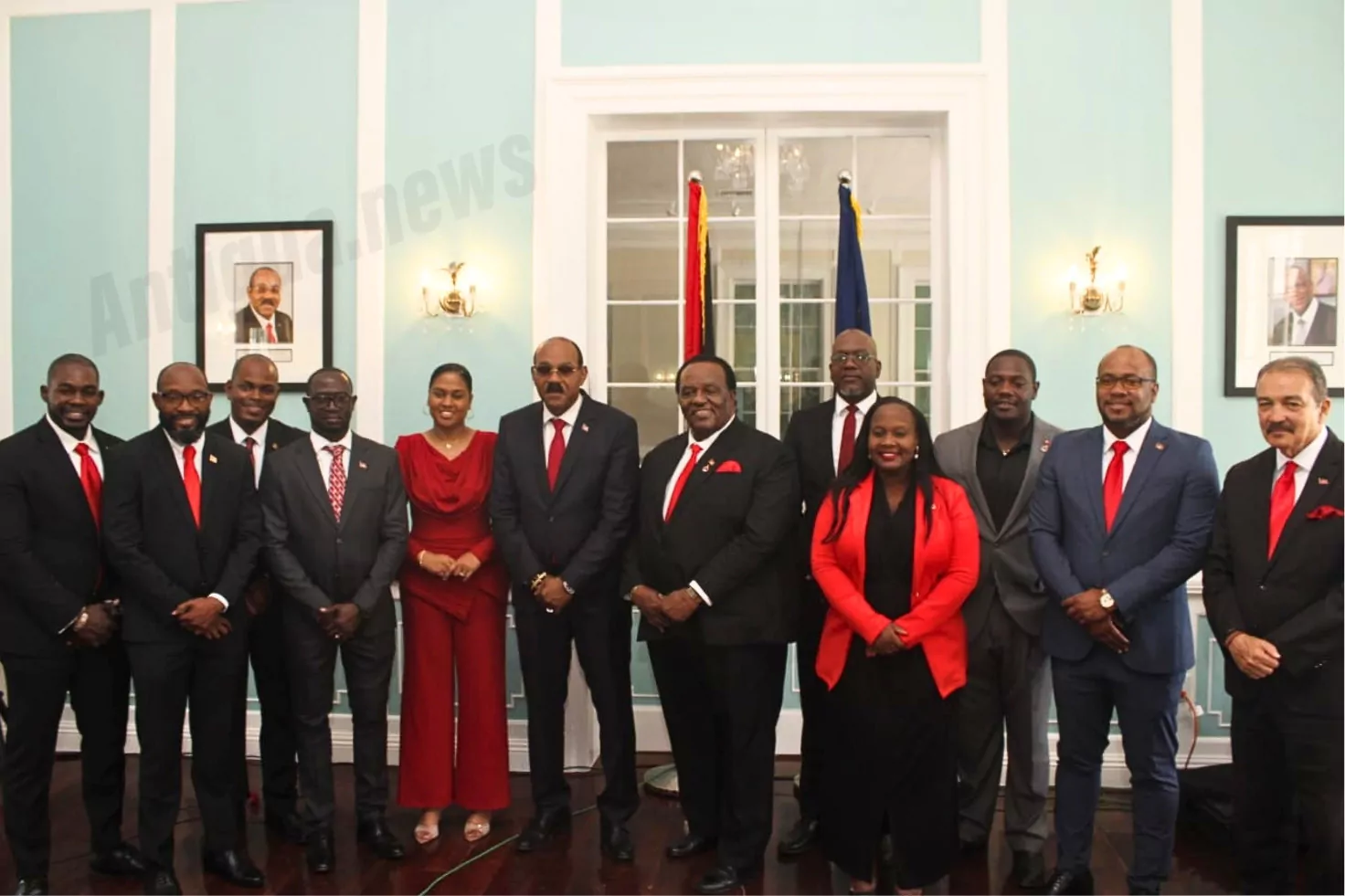
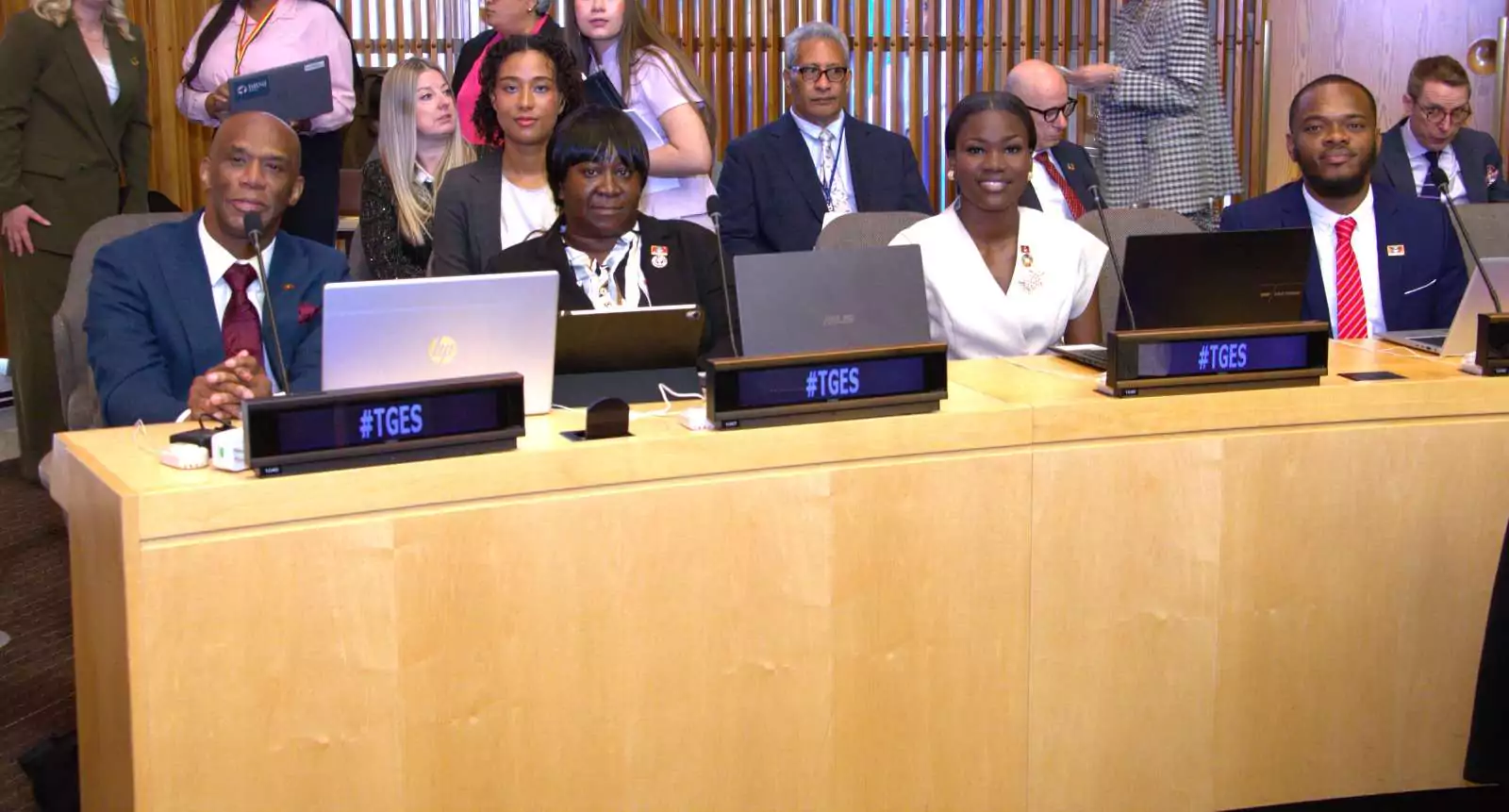
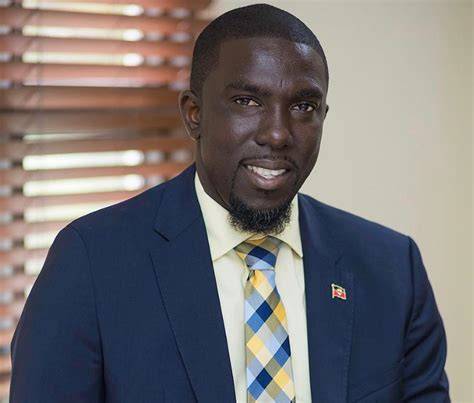
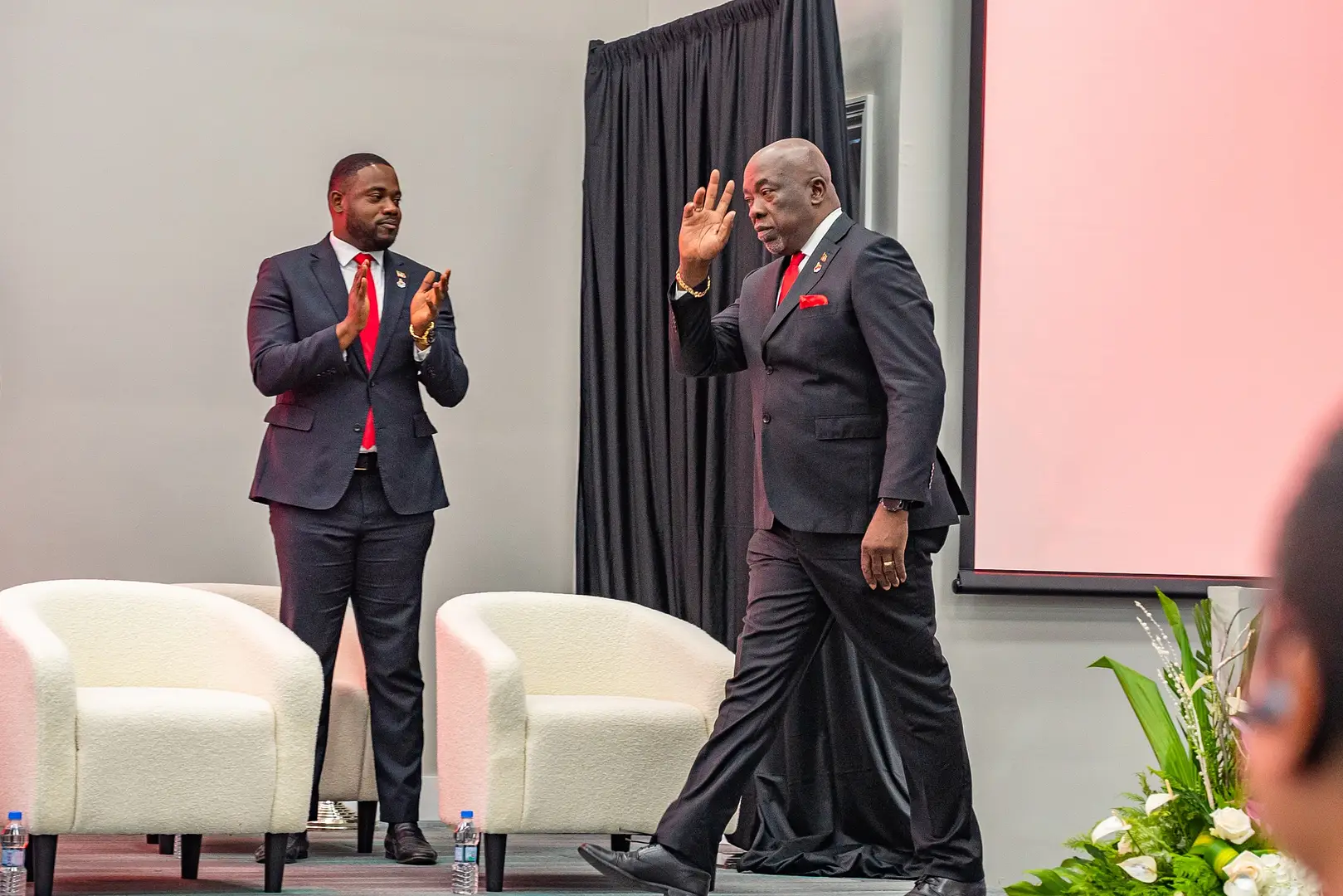
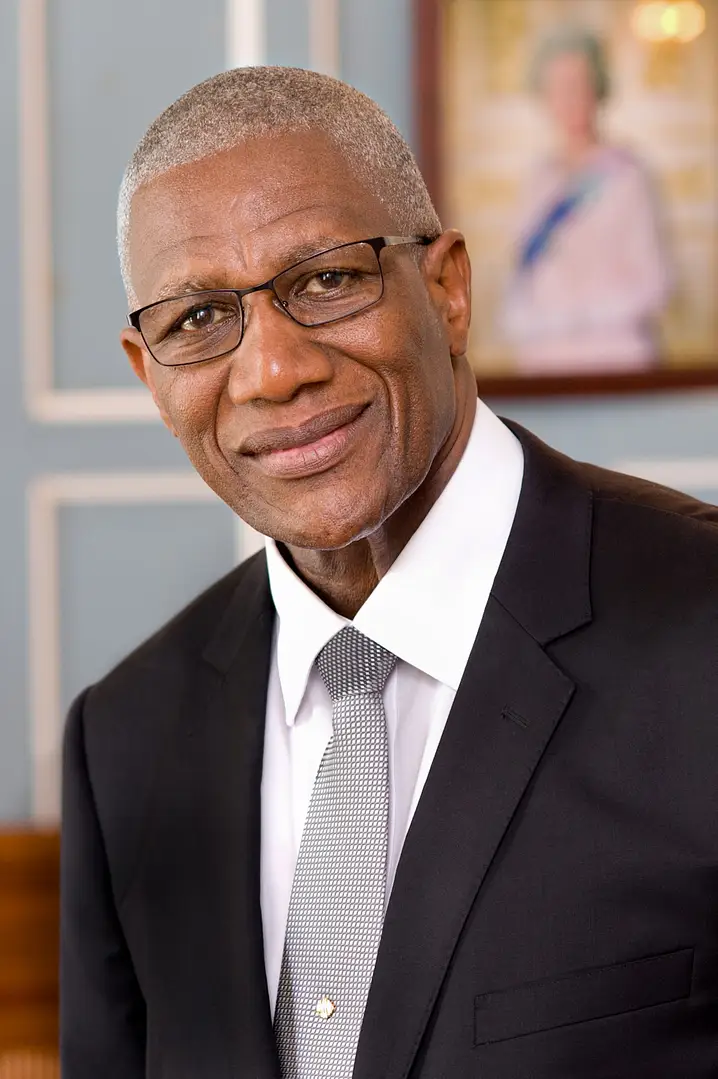
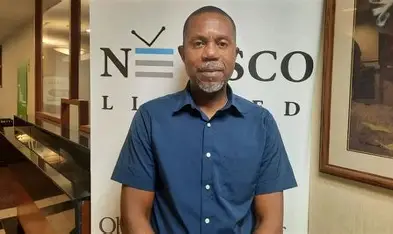
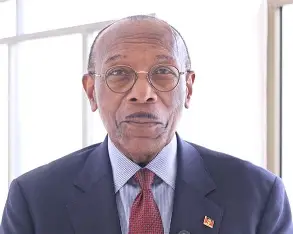
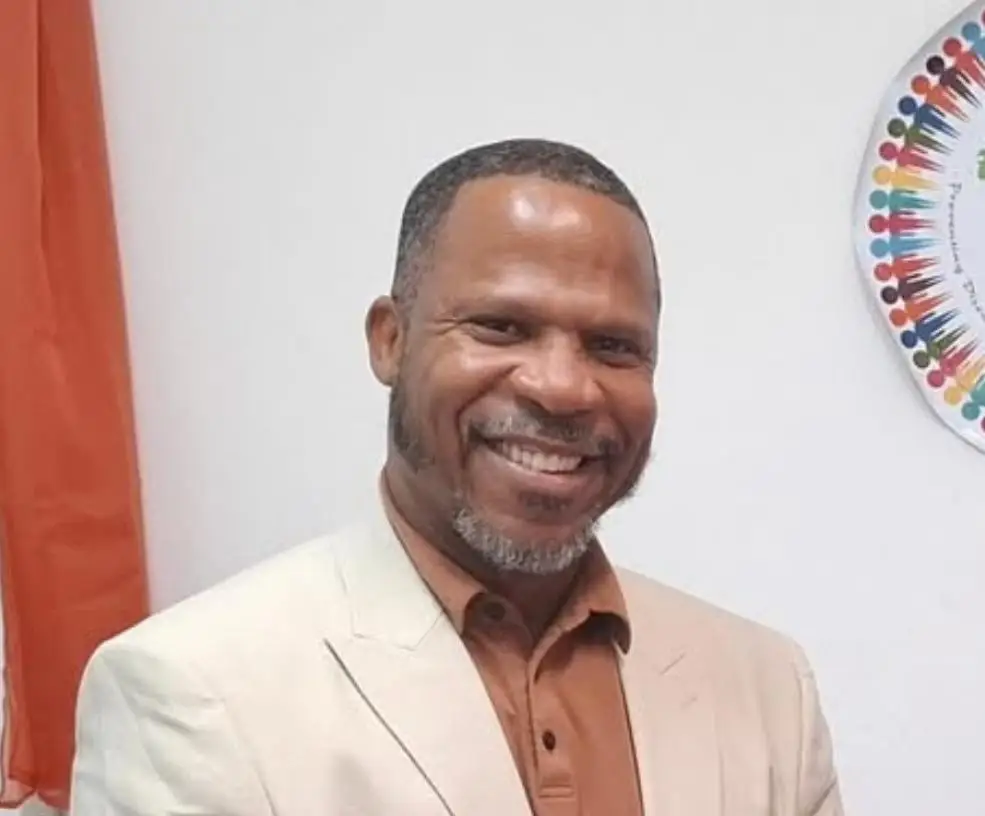
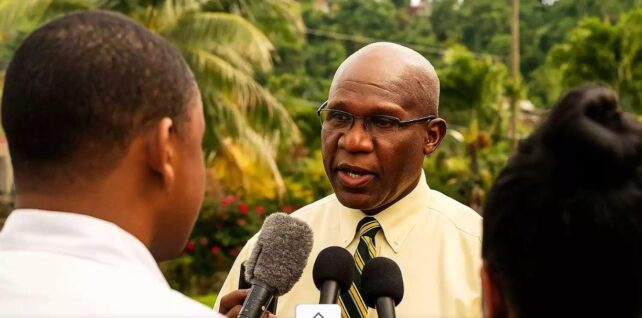
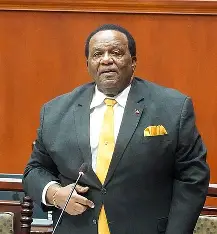
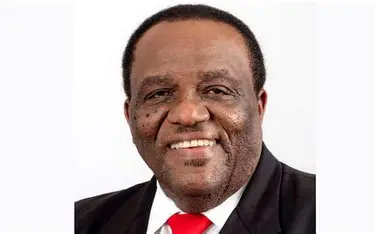
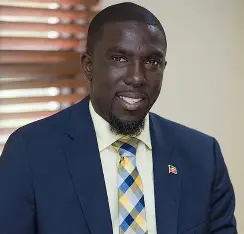
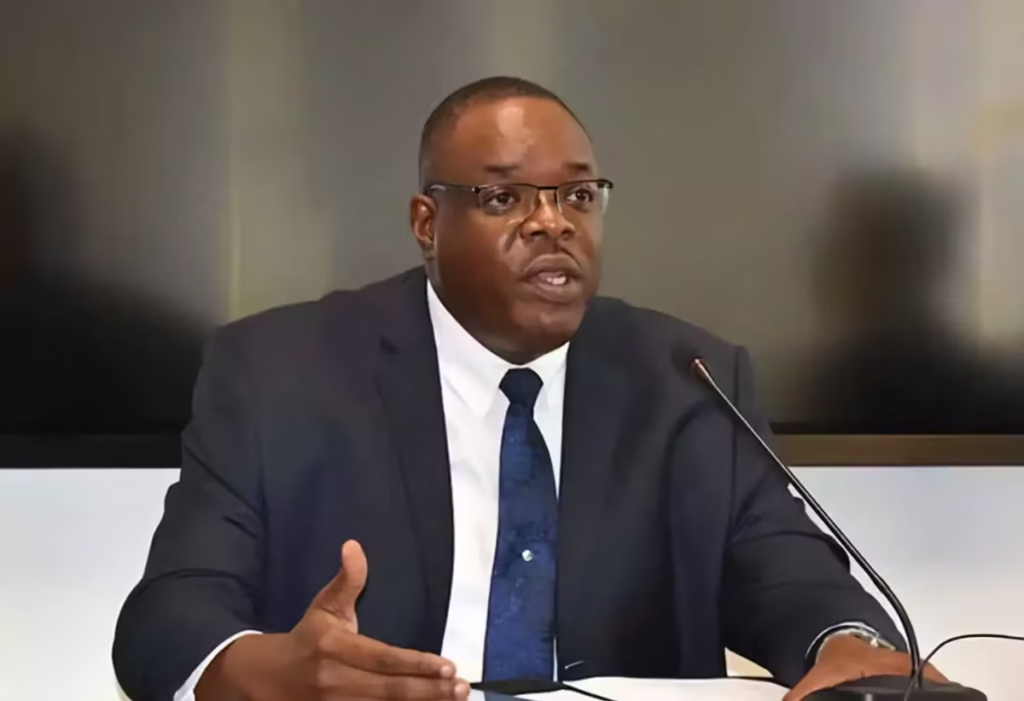
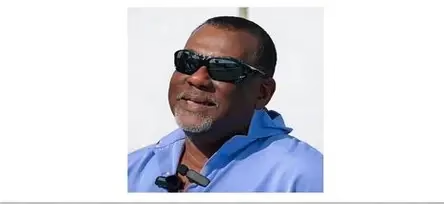
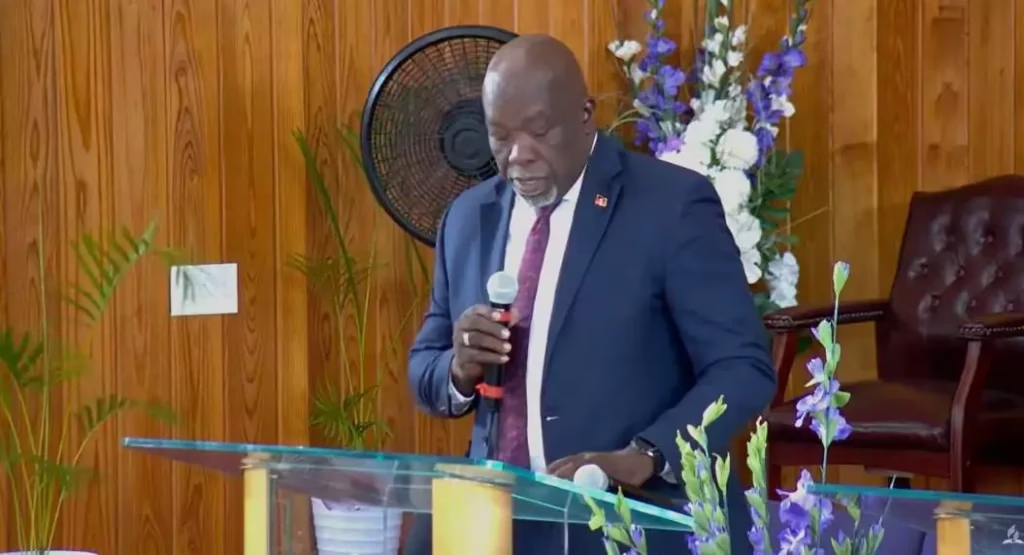
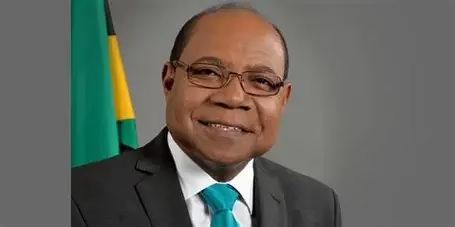
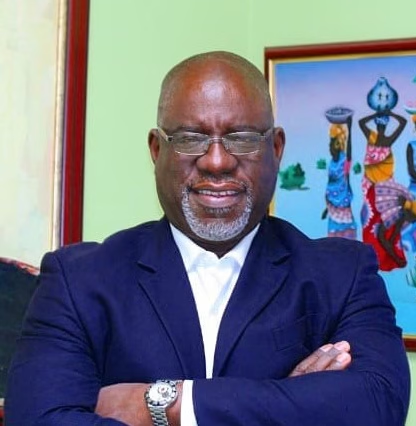
Furthermore, Browne placed responsibility squarely on leadership. He said the responsible minister and APUA management must deliver improvements. In this case, Minister Melford Nicholas faces added scrutiny.
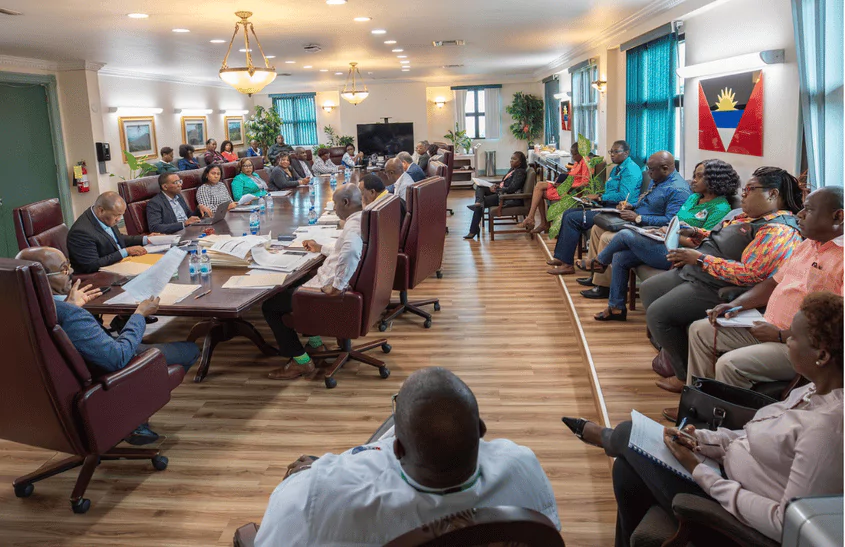
Although some internal changes already occurred, Browne wants more. He said productivity has improved, but oversight must strengthen. Therefore, Cabinet will now take a closer role.
Additionally, Browne signaled stricter reporting. He expects detailed and “granular” updates on water distribution. This approach, he said, will expose weaknesses quickly.
“It is not enough to cite production numbers,” Browne explained. Even eleven million gallons mean nothing without delivery. Hence, people still feel frustrated.
Looking ahead, Browne promised tougher standards. He wants faster repairs and better coordination. Above all, he wants water flowing consistently.
In conclusion, Browne made his position clear. Production gains mark progress. Still, distribution failures will now bring consequences.
Join the Dadli News WhatsApp Group: https://chat.whatsapp.com/L04JxtMbG39FLBbxYWlz9T
Join the Dadli News WhatsApp Group: https://chat.whatsapp.com/L04JxtMbG39FLBbxYWlz9T