
 English






























































































































































































































































































































































































































































































































































































































































































































































































































































































































































































































































































































































































































































































































































































































































































































































































































































































































































































Guyanese Migrants Dominate Several Caribbean States, New Data Shows
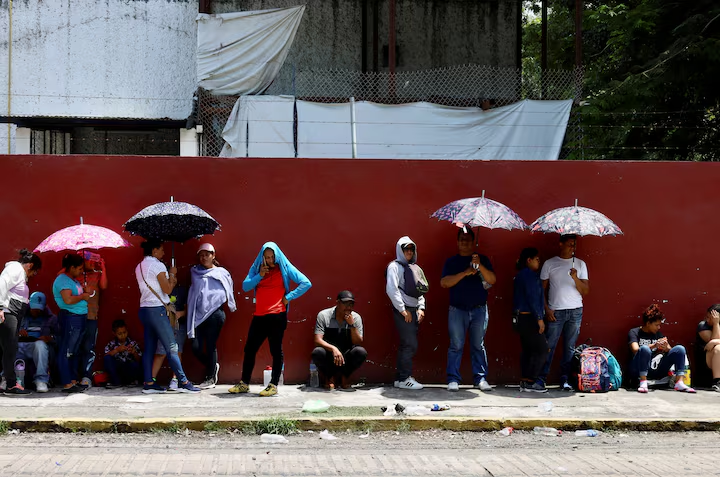
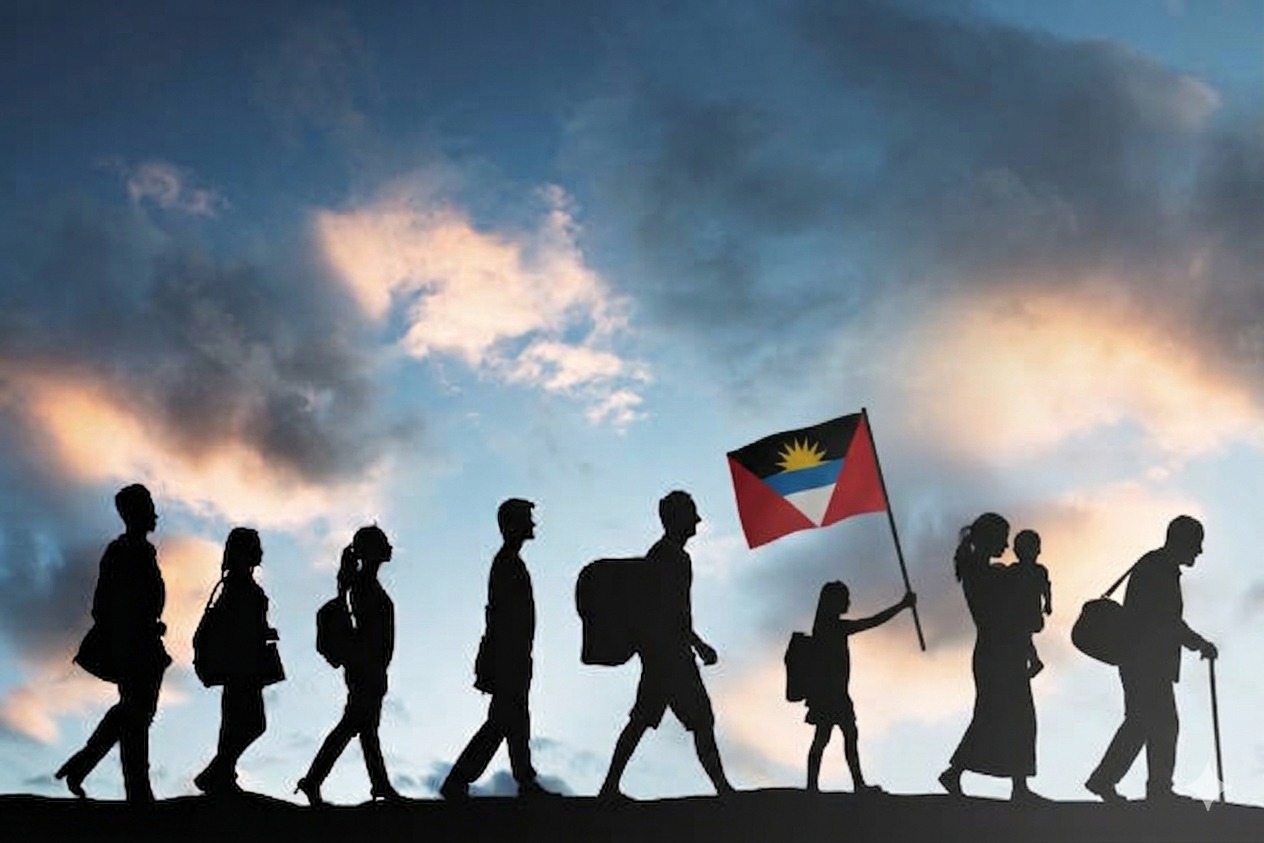
Guyanese nationals lead migrant populations in several Caribbean countries, according to new regional data.
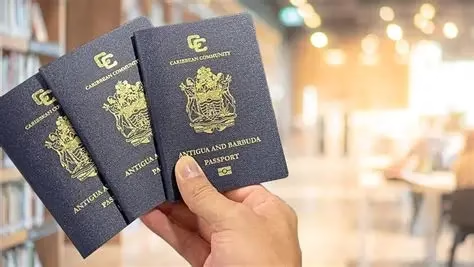
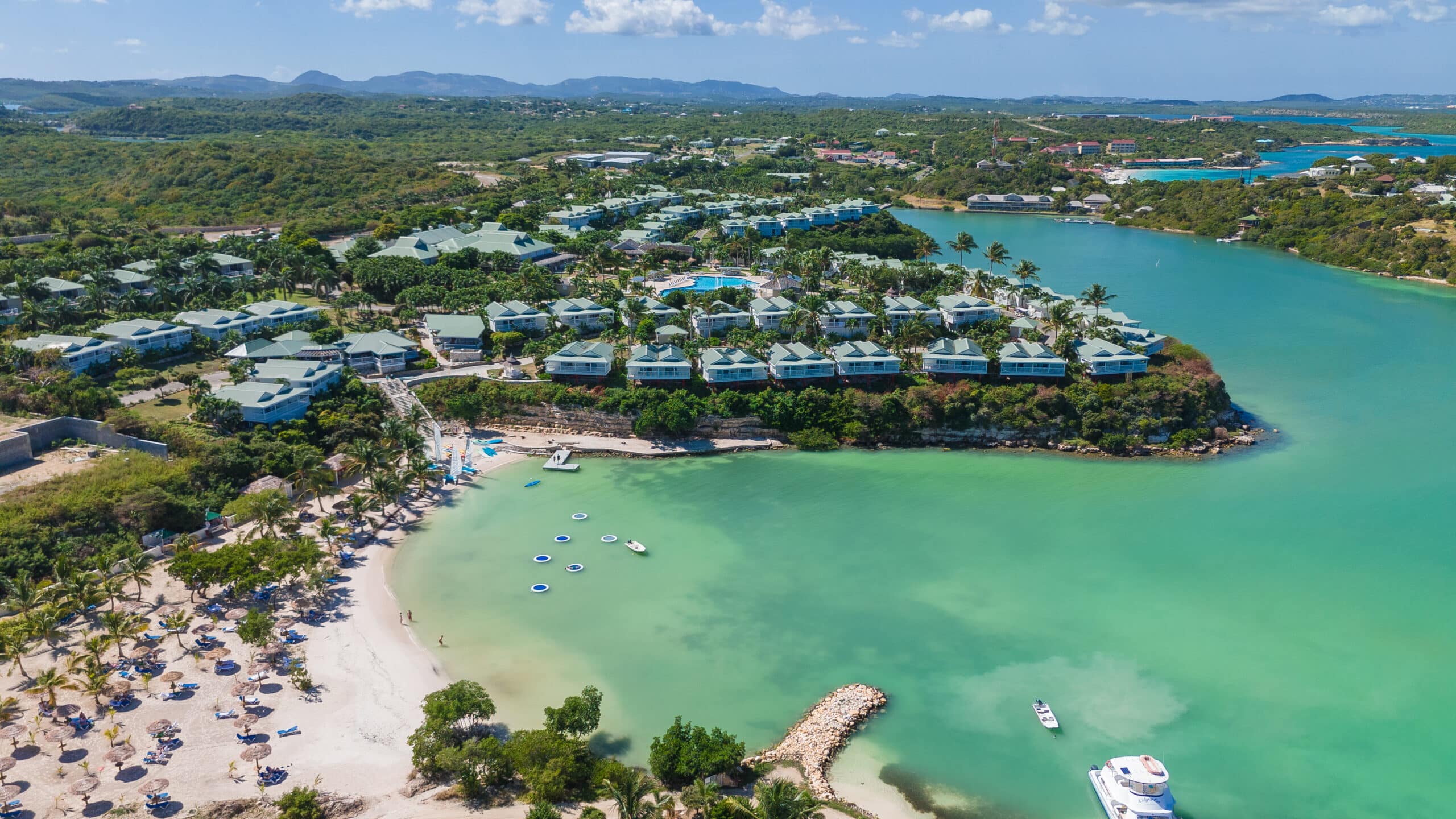
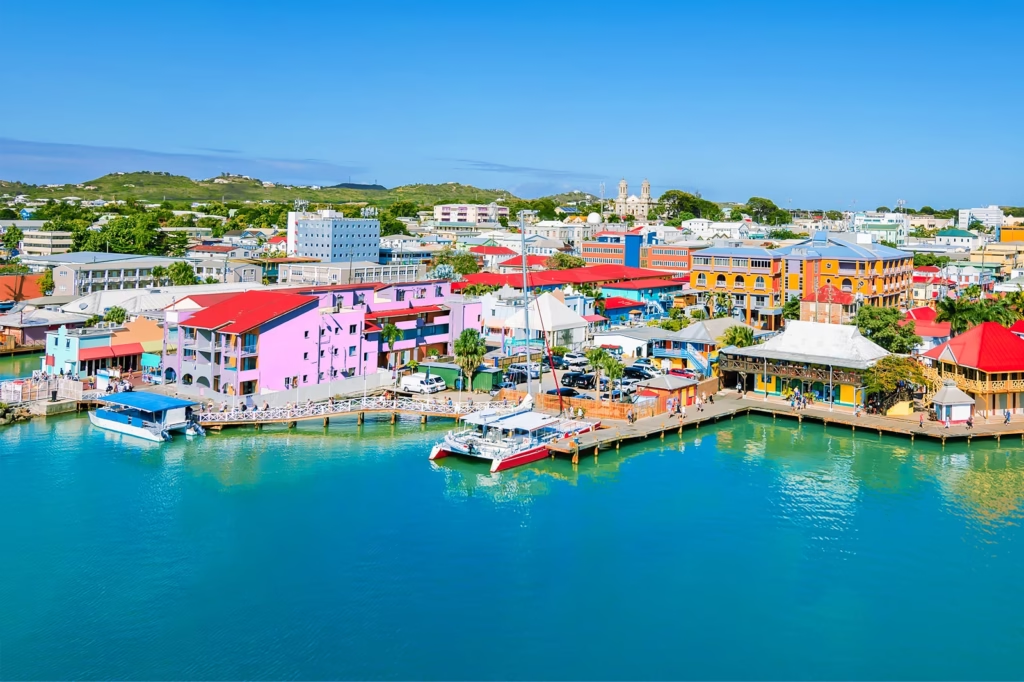
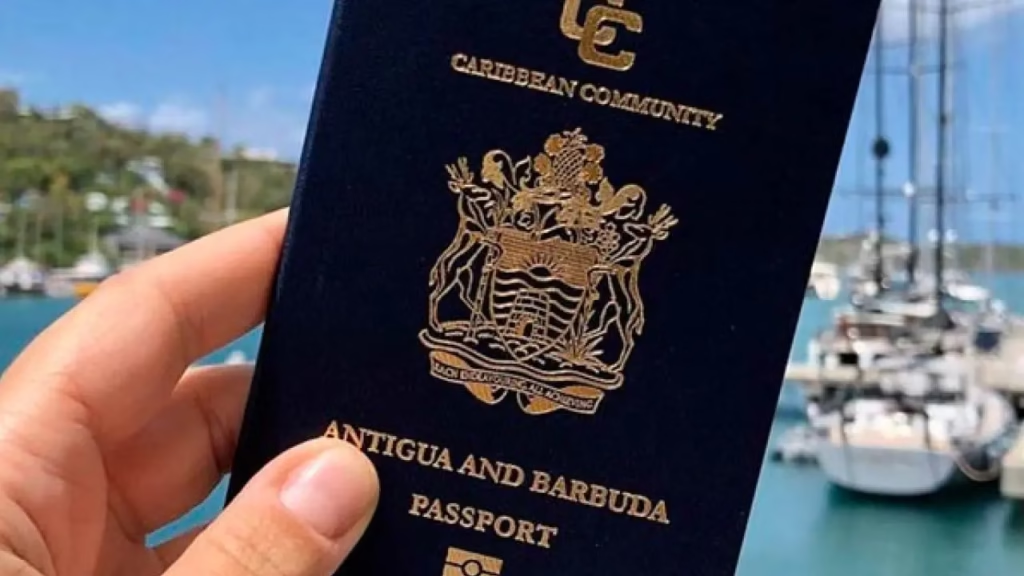
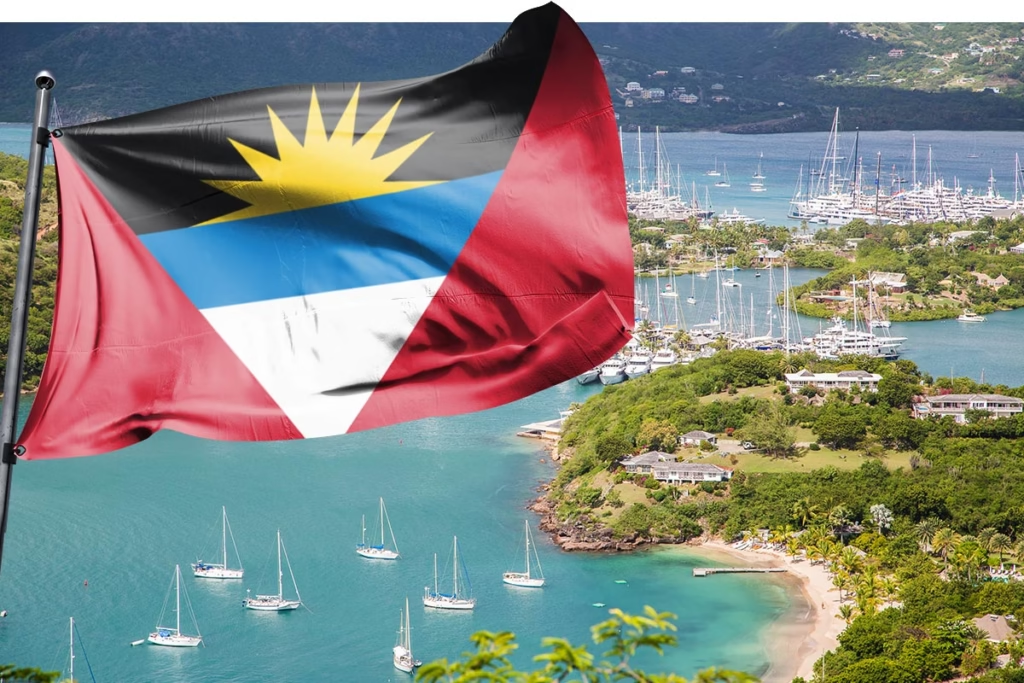
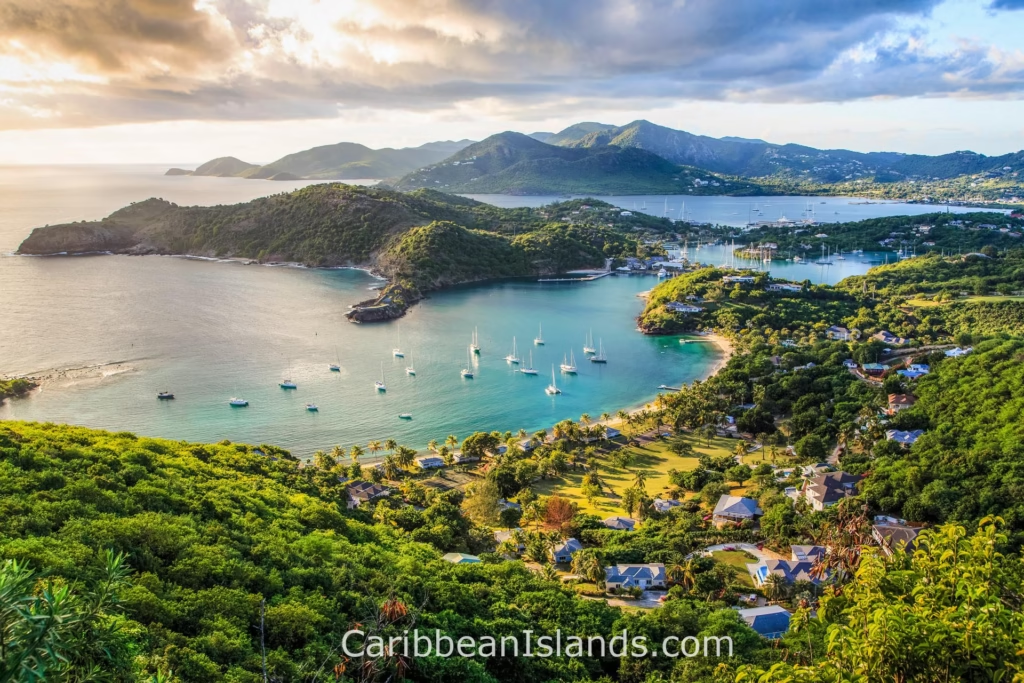
Guyanese migrants rank as the largest foreign-born group in Antigua and Barbuda. Likewise, they also lead in Barbados, St. Lucia, Suriname, and St. Kitts and Nevis.
Overall, the findings come from the International Organization for Migration. The report uses UNDESA mid-year 2024 population estimates. Together, the data highlights clear migration patterns across CARICOM.
Across the region, intra-Caribbean migration remains strong. Caribbean people continue moving within the Caribbean. Often, they travel for work, family ties, and economic opportunity.
In contrast, Trinidadians form the largest migrant group in Grenada. Similarly, they also lead in St. Vincent and the Grenadines. This trend again reflects movement within CARICOM states.
However, not all migration follows regional labour patterns. In some countries, nearby crises shape population flows.
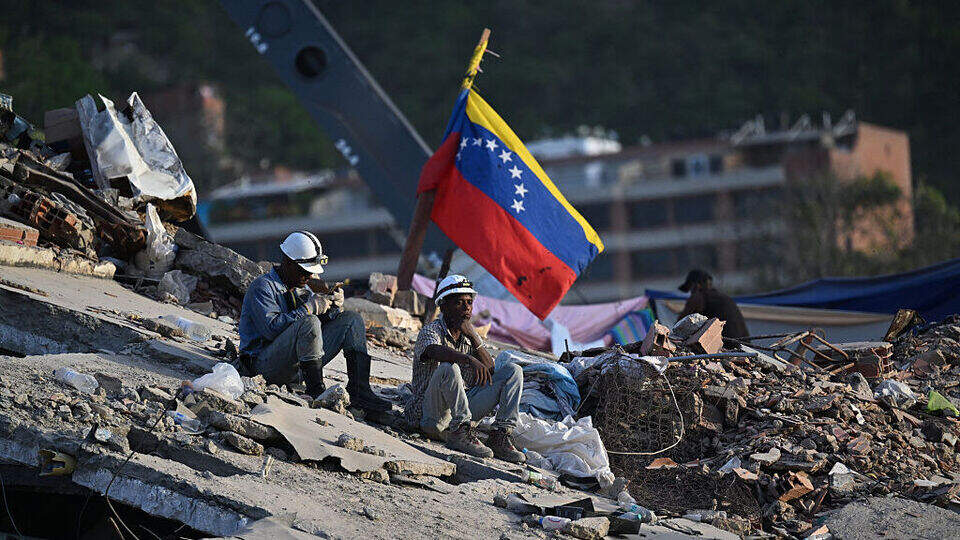
For example, Guyana shows a very different picture. There, Venezuelans make up about 75 percent of the migrant population. This reflects years of cross-border movement driven by Venezuela’s crisis.
Likewise, Trinidad and Tobago has a large Venezuelan migrant presence. Venezuelans account for about 30 percent of its migrant population.
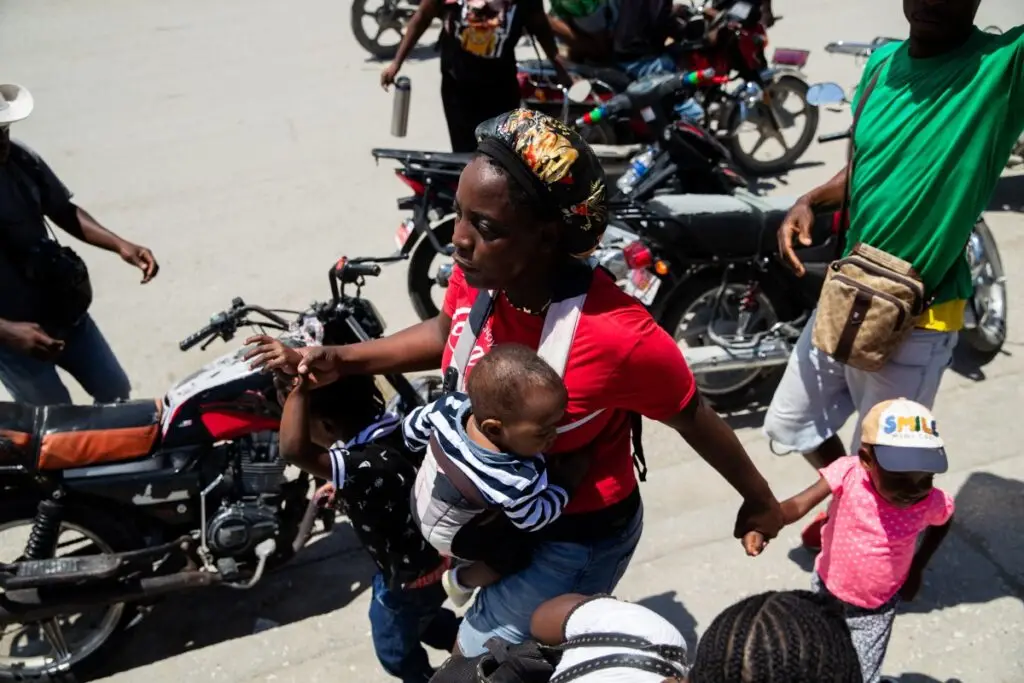
Meanwhile, other islands face different pressures. In The Bahamas, Haitians represent roughly 26 percent of migrants. Similarly, in Dominica, Haitians account for about 31 percent.
Still, some CARICOM members follow neither pattern. Belize stands apart due to its Central American links. There, Guatemalans make up 43 percent of migrants. Salvadorians and Hondurans each account for 16 percent.
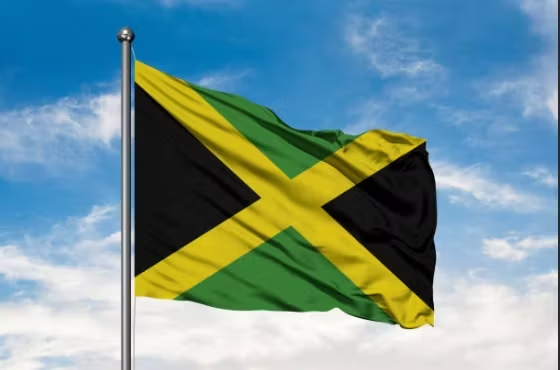
Jamaica also differs from its neighbours. The United States is Jamaica’s top migrant origin country, at about 13 percent. The United Kingdom follows closely. This suggests return migration and diaspora connections.
Altogether, the data shows a complex regional picture. Migration reflects economic pull factors, geography, and political instability.
At the same time, free movement arrangements also shape decisions. Family networks further influence where people settle.
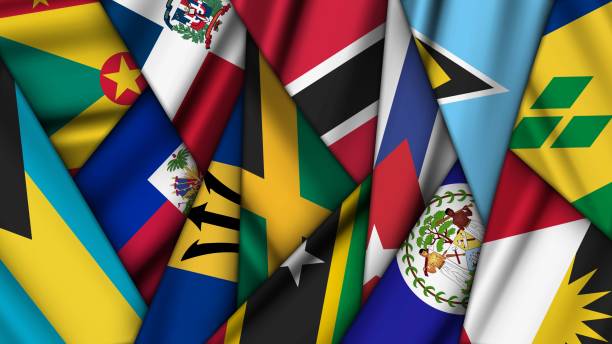
Countries Mentioned in the Report:
- Antigua and Barbuda
- Barbados
- St. Lucia
- Suriname
- St. Kitts and Nevis
- Grenada
- St. Vincent and the Grenadines
- Guyana
- Trinidad and Tobago
- The Bahamas
- Dominica
- Belize
- Jamaica
Ultimately, Caribbean migration remains deeply interconnected. Each country’s experience reflects both regional ties and external pressures.
Source: IOM Displacement Tracking Matrix, Migration Trends in the English and Dutch Speaking Caribbean, 2024 (using UNDESA mid-year 2024 data)
Join the Dadli News WhatsApp Group: https://chat.whatsapp.com/L04JxtMbG39FLBbxYWlz9T
Join the Dadli News WhatsApp Group: https://chat.whatsapp.com/L04JxtMbG39FLBbxYWlz9T