
 English



































































































































































































































































































































































































































































































































































































































































































































































































































































































































































































































































































































































































































































































































































































































































































































































































































































































Fast delivery comes with a surprising environmental cost
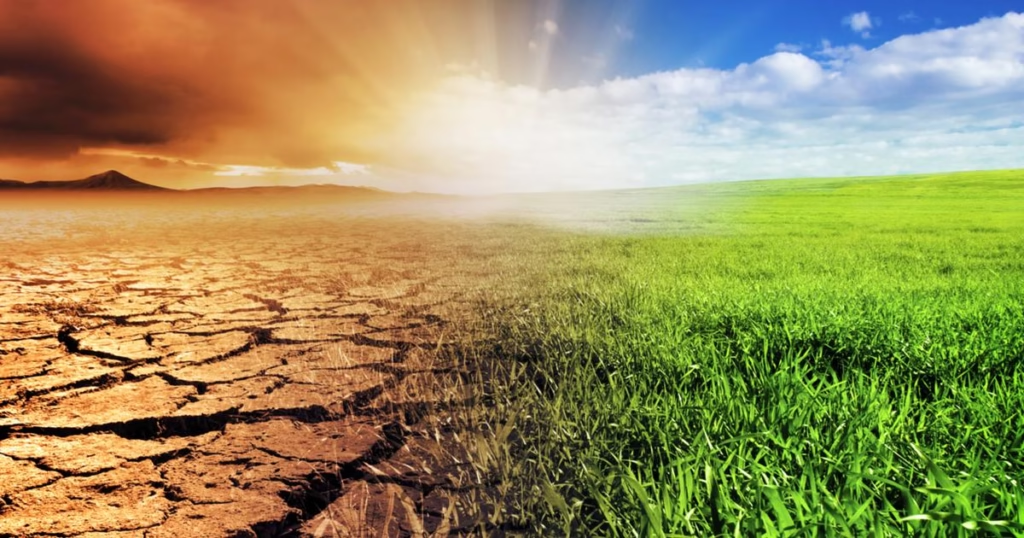
Fast shipping has become part of everyday life. Click, order, and your package arrives today, tomorrow, or overnight. However, this speed comes with a hidden climate toll.
Multiple factors determine how polluting deliveries are. Distance from warehouses, half-empty trucks, repeated local trips, and transport modes all contribute.
When shoppers pick faster shipping, logistics shift from efficiency to speed. Trucks leave warehouses before they’re full, drivers may circle neighborhoods multiple times, and air freight is sometimes used. All these choices increase emissions. According to Sreedevi Rajagopalan, a research scientist at MIT, fast shipping can raise emissions 10 to 12 percent.
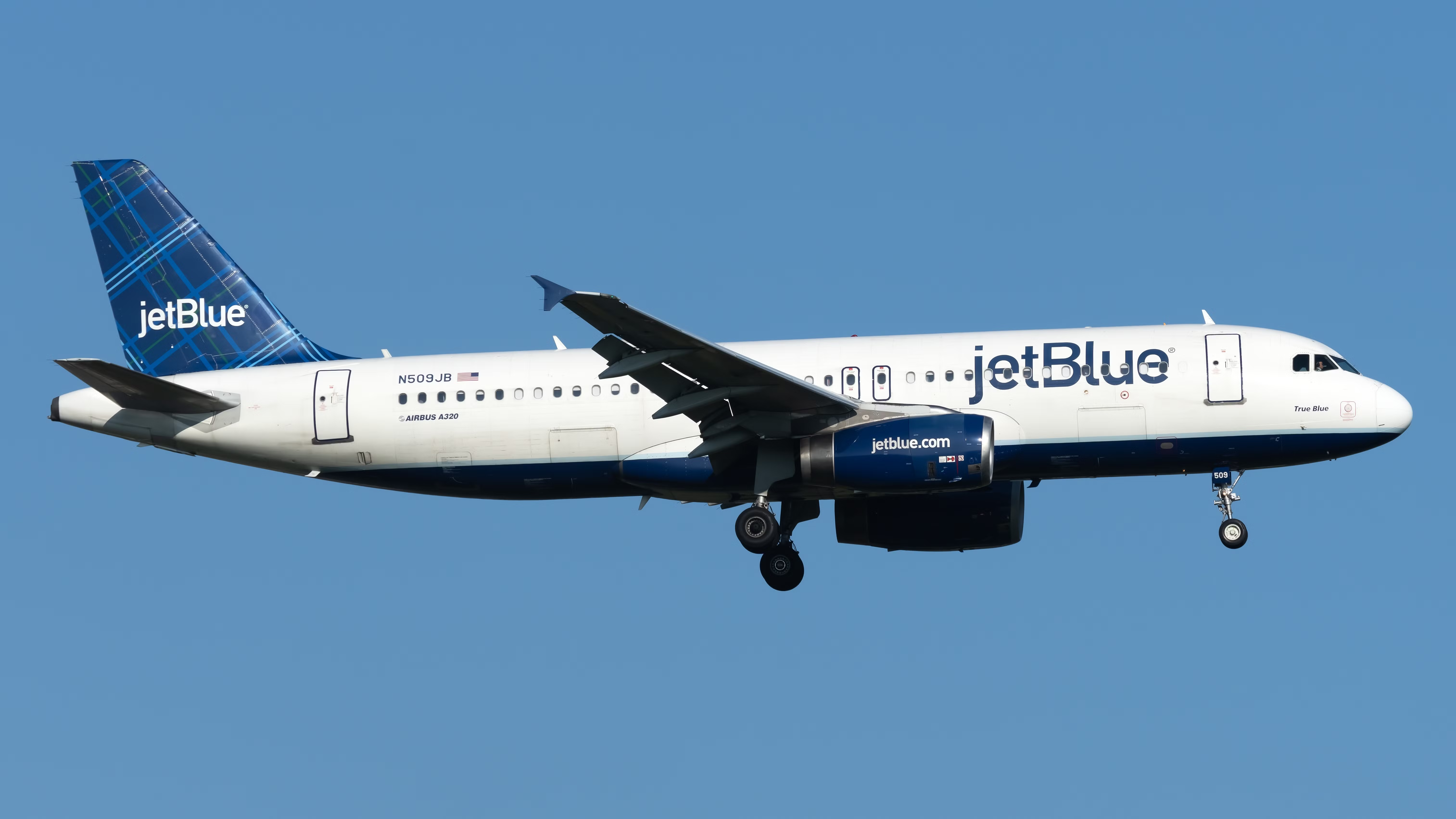
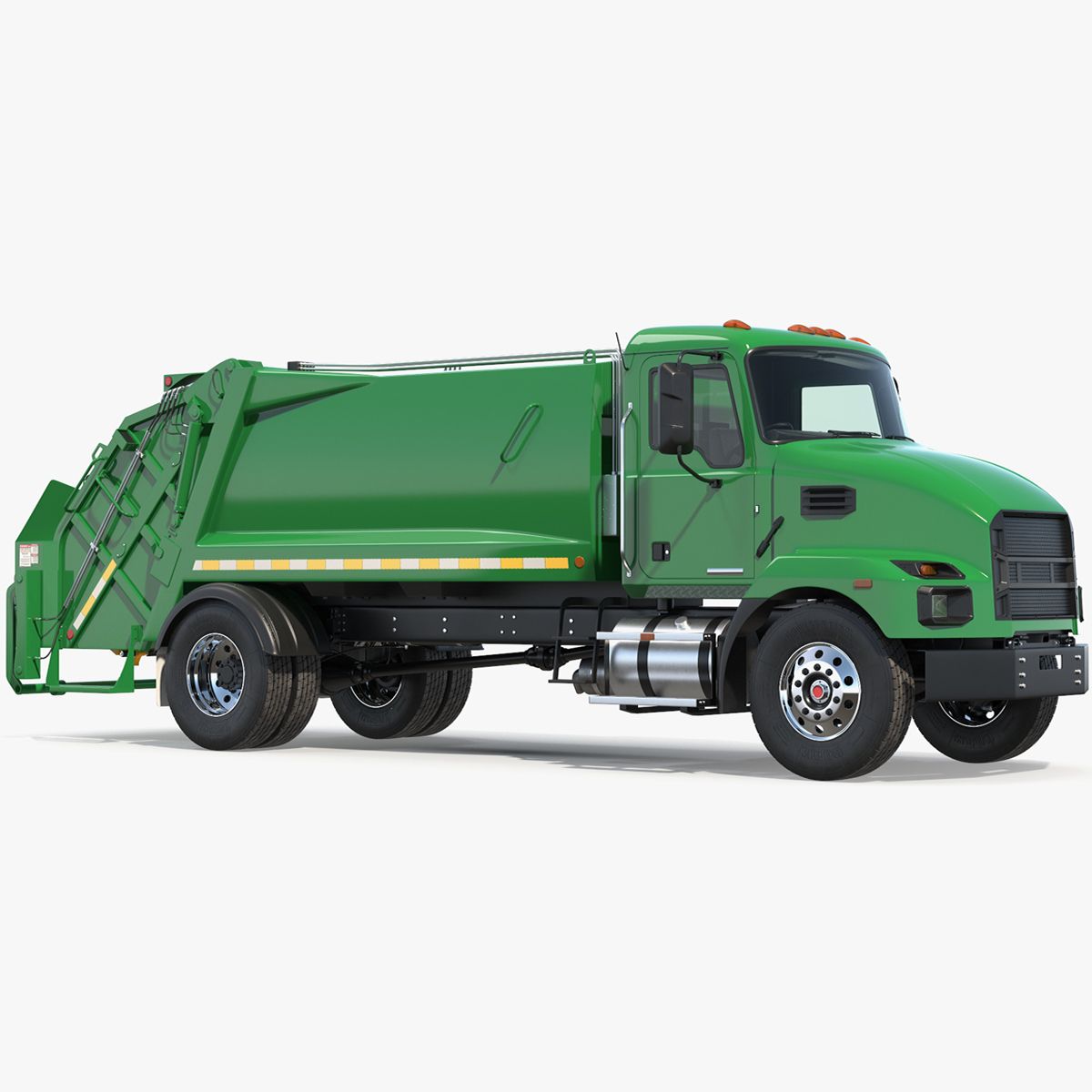
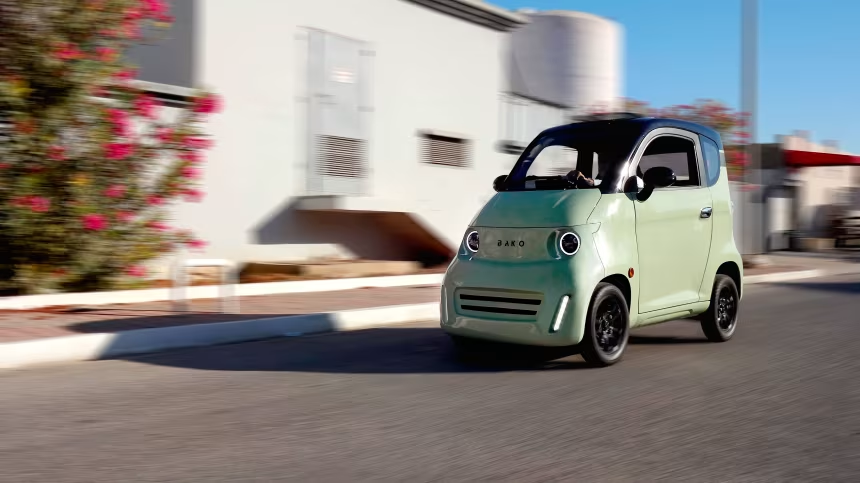
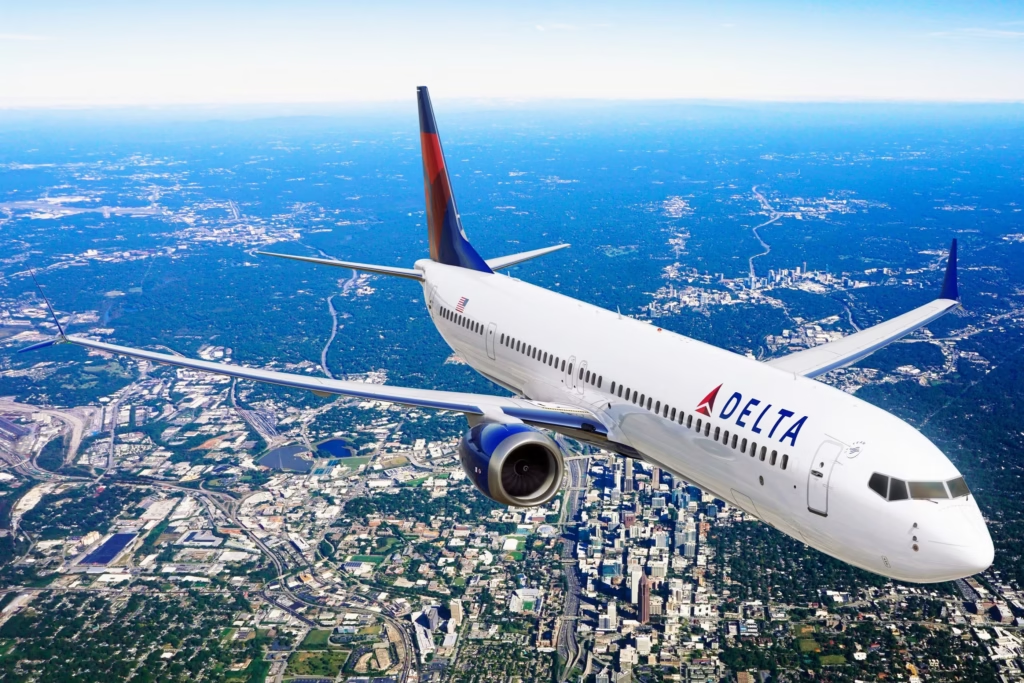
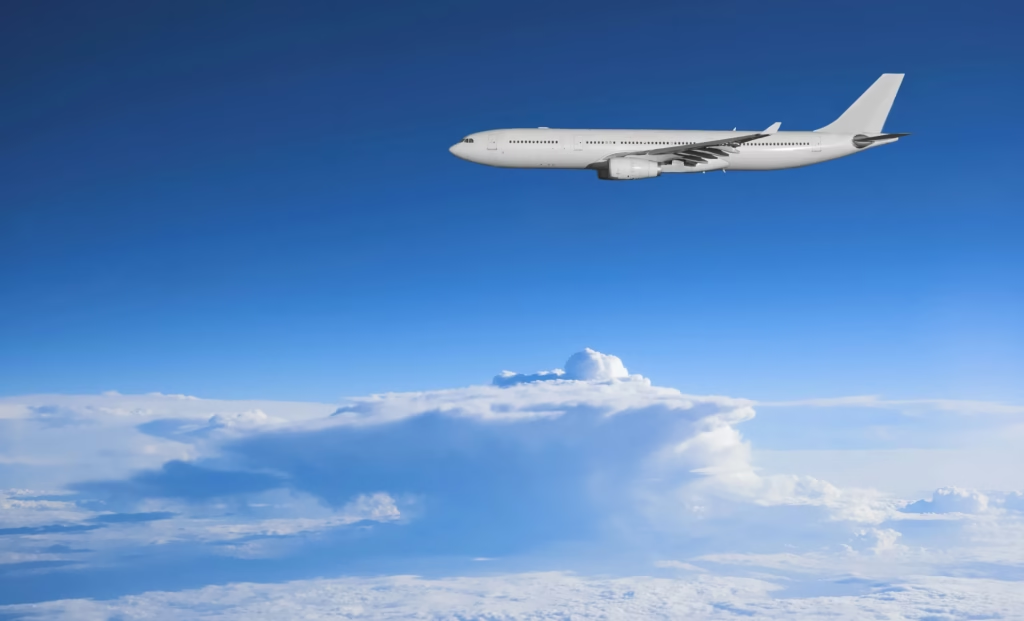
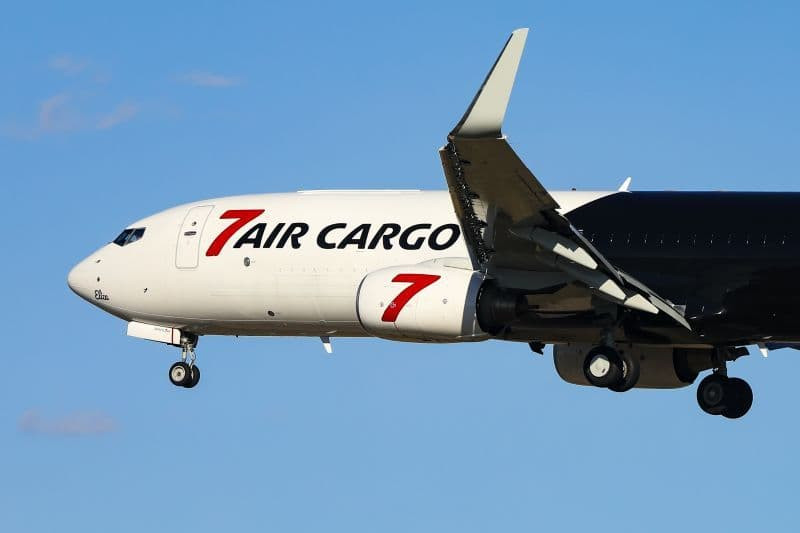
Air transport is especially carbon-intensive. Vans running half full also require extra trips, further boosting fuel use. Companies like Amazon aim to cut emissions by placing warehouses closer to customers, using electric vans, and delivering by bike or foot in cities.
The “last mile”—getting packages to doors—is the hardest part to decarbonize. Emissions rise when people place multiple small orders instead of consolidating them. Each half-full truck, particularly if it returns empty, adds carbon to the system.
Consumers can reduce their impact. Delaying delivery by one or two days can cut emissions by 36 percent. Waiting three to four days can reduce them by 56 percent. Consolidating orders also lowers carbon footprints.
Amazon reports that choosing a single delivery day for all items eliminated over 300 million delivery stops in the first nine months of 2025. This avoided 100,000 tons of CO₂ emissions.
Education also helps. Studies show that when shoppers see the environmental impact—visualized as trees or other simple metrics—they often choose slower shipping or consolidated orders.
Fast shipping isn’t going away, but small changes make a difference. Bundling items, skipping overnight delivery, and selecting a single weekly delivery can significantly cut emissions.
By balancing convenience with environmental awareness, both shoppers and companies can reduce the climate cost of online shopping.
Join the Dadli News WhatsApp Group: https://chat.whatsapp.com/L04JxtMbG39FLBbxYWlz9T
Join the Dadli News WhatsApp Channel: https://whatsapp.com/channel/0029VbBcJ3gKLaHkB4lQXM1m