
 English























































































































































































































































































































































































































































































































































































































































































































































































































































































































































































































































































































































































































































































































































































































































































































































































Trump Expands Travel Ban to 39 Countries Starting January 1
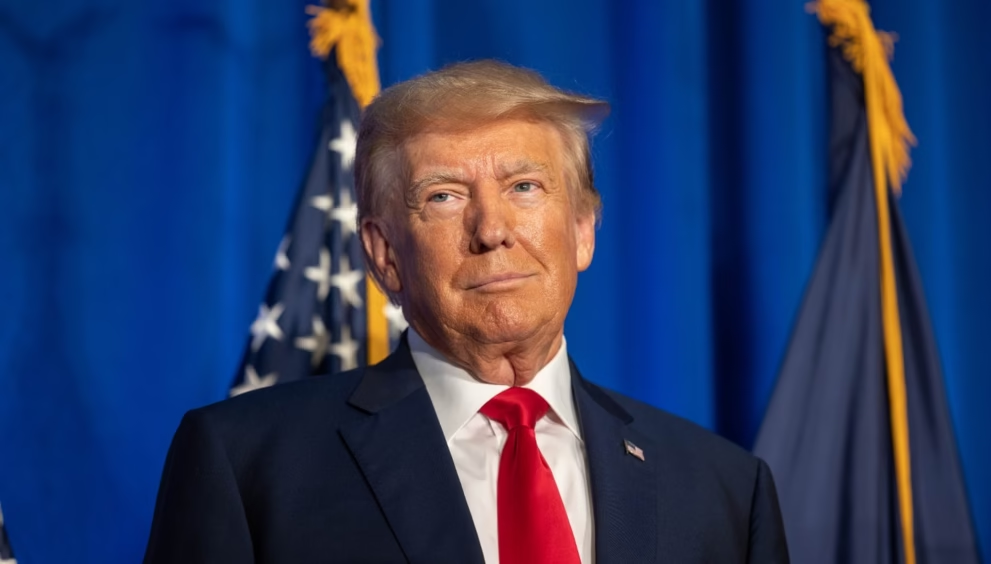
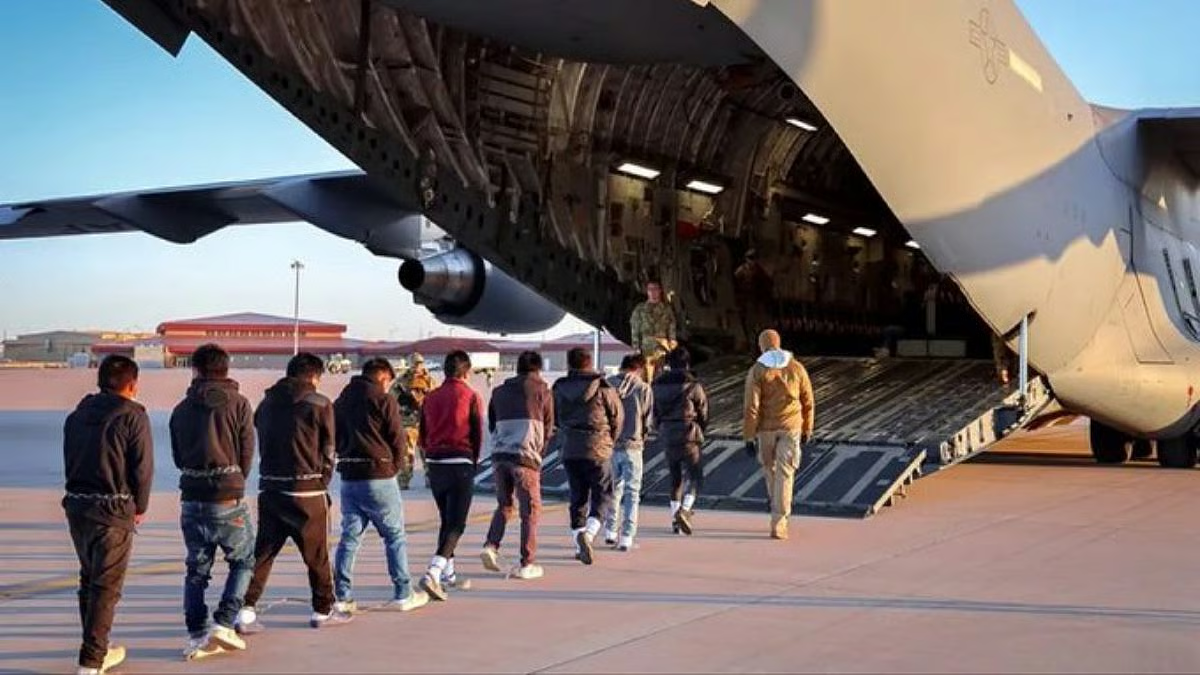
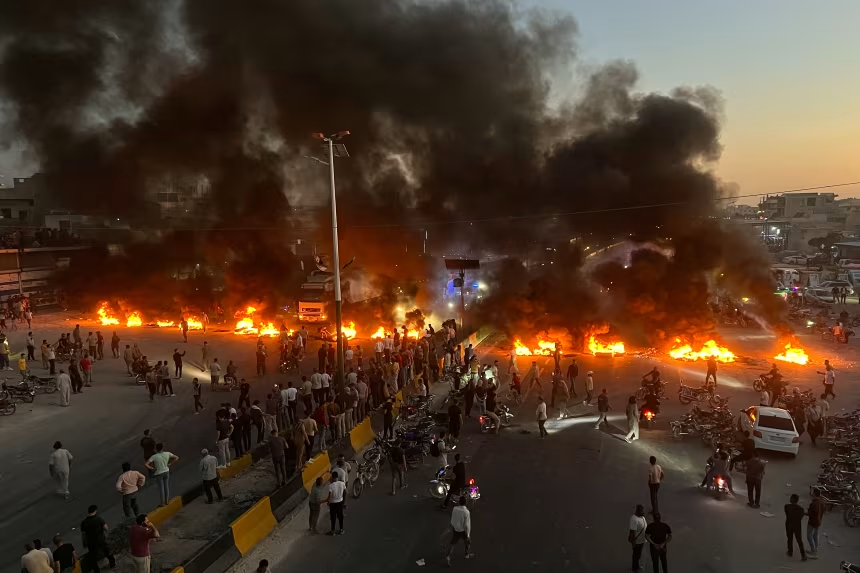
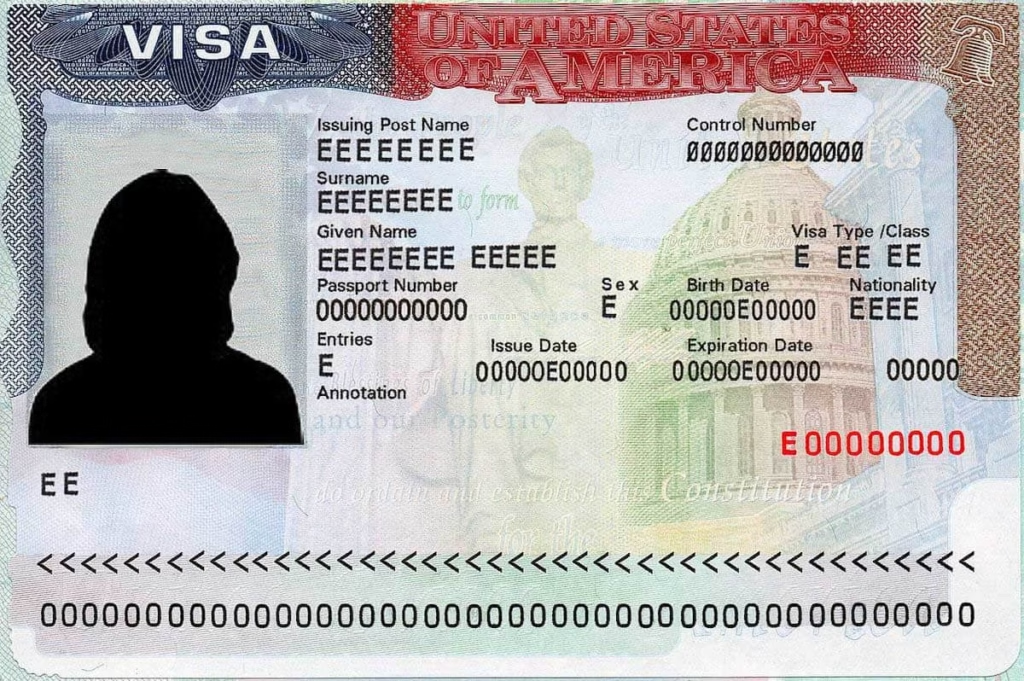
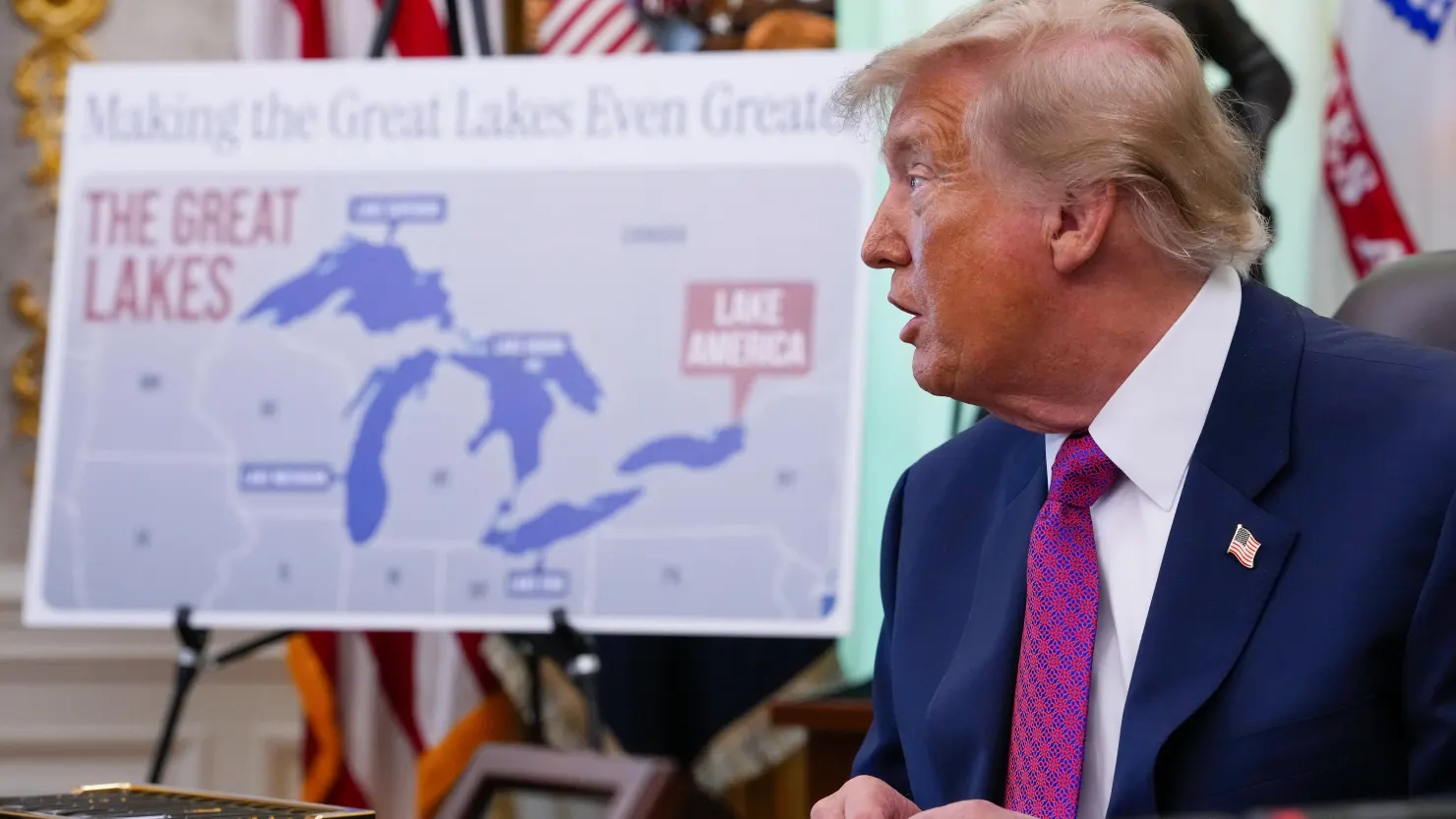
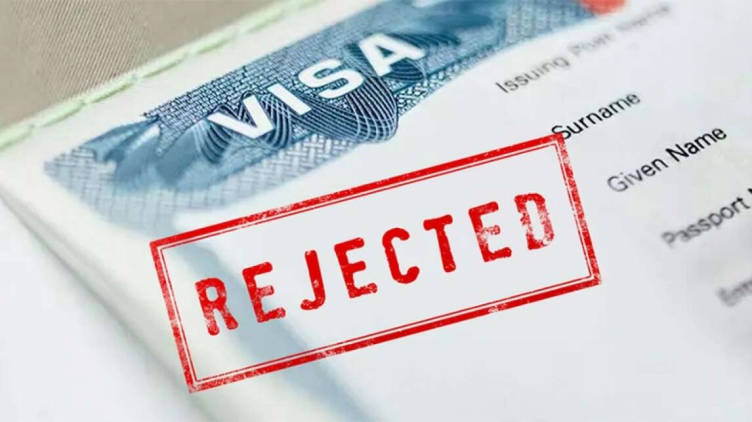
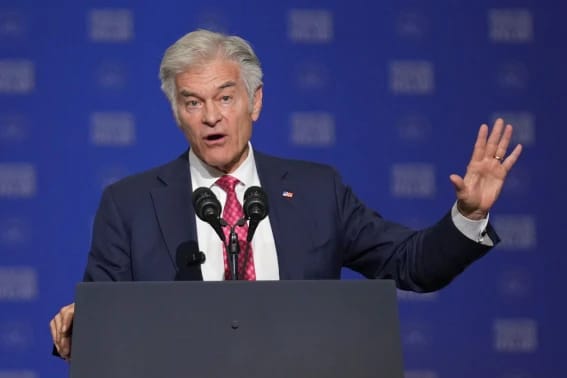
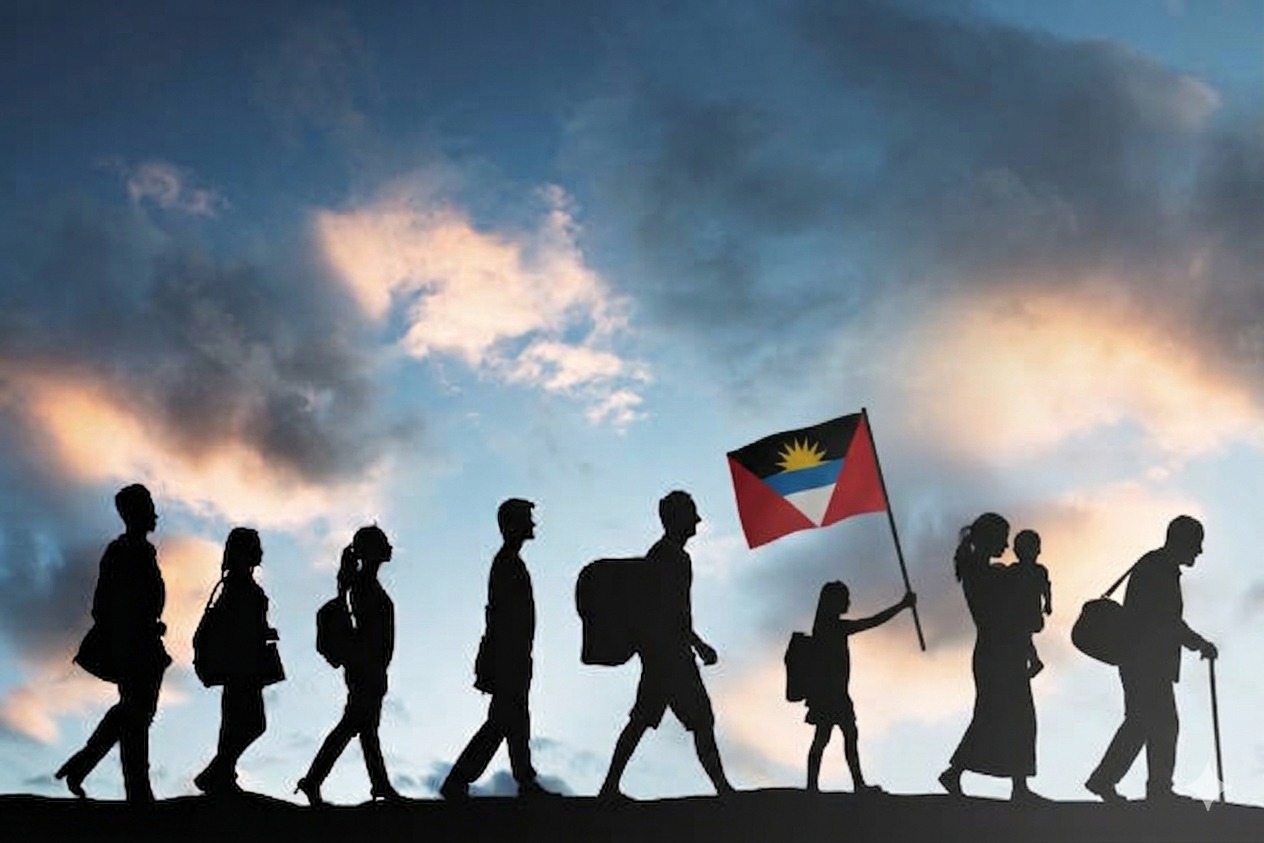
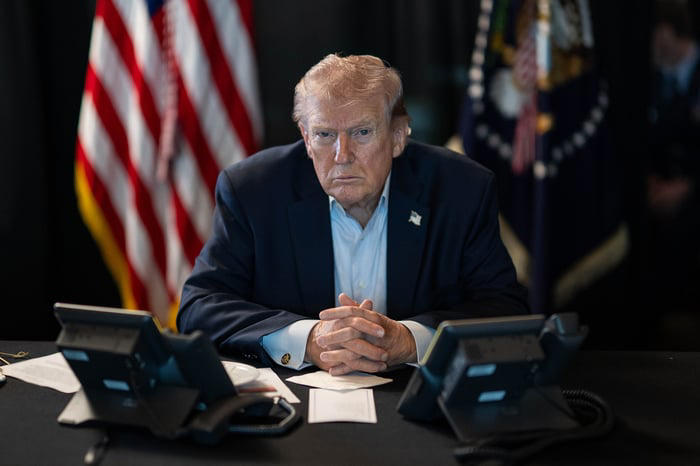
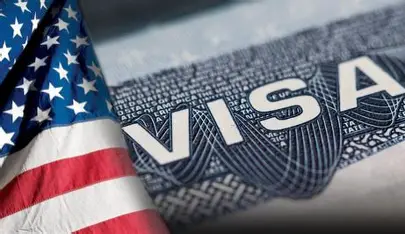
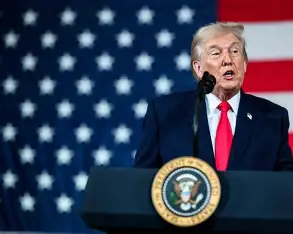
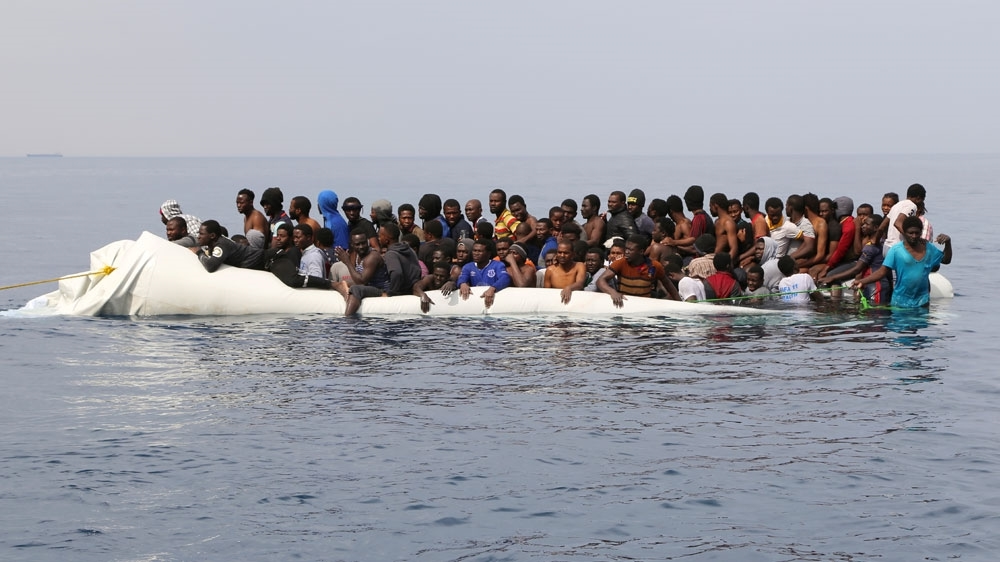
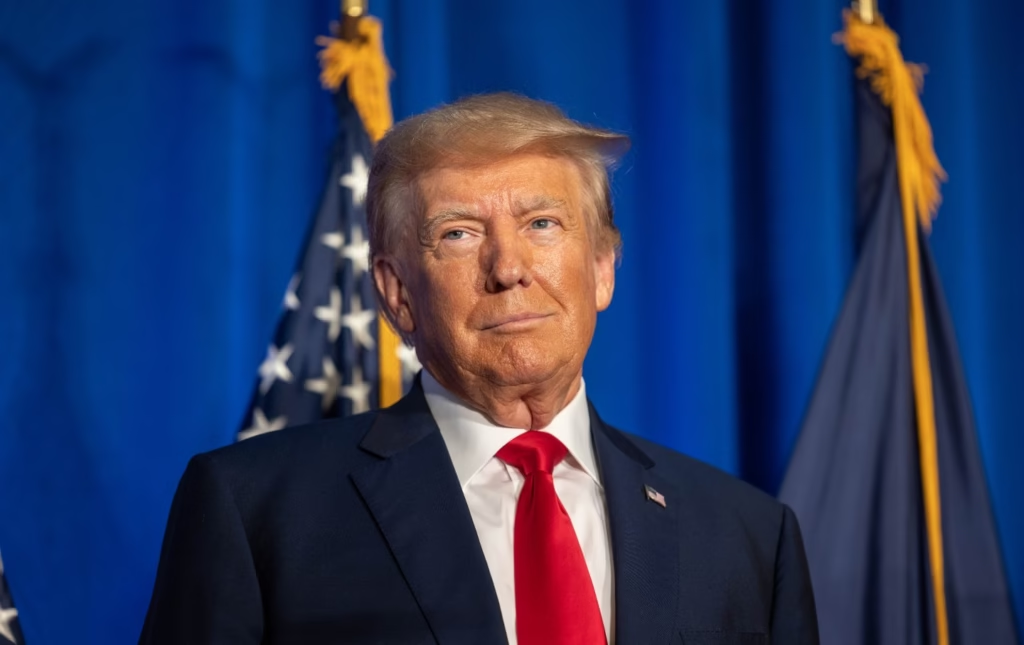
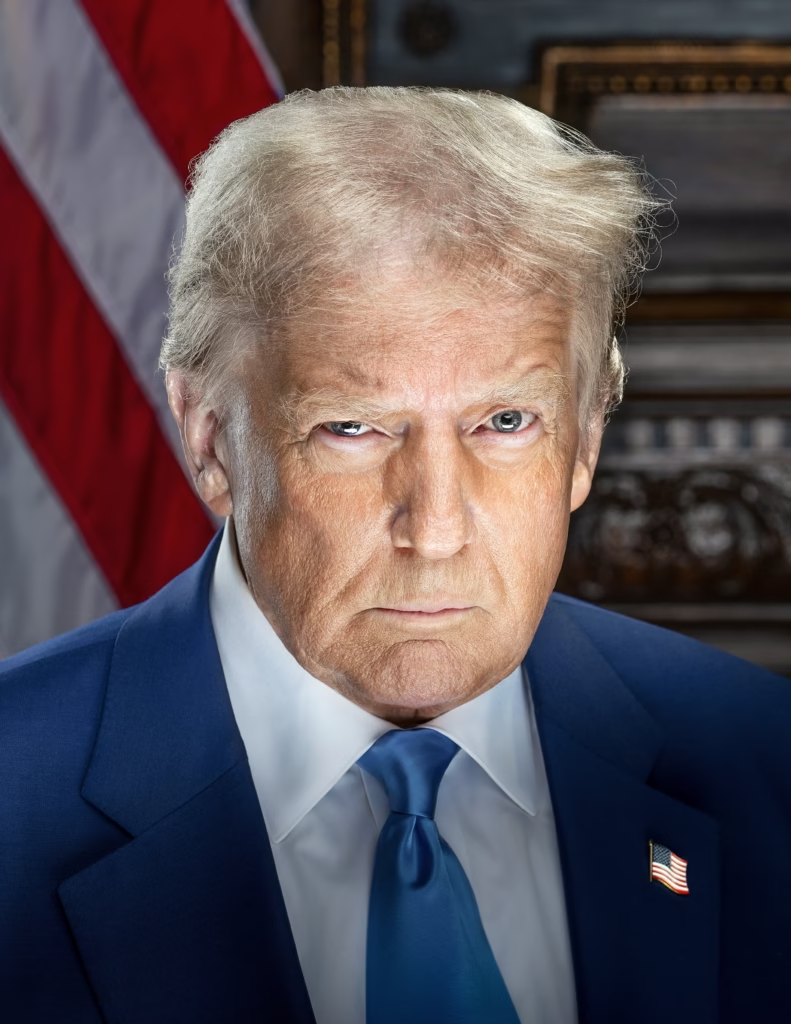
Trump announced a major expansion of the U.S. travel ban on December 19, 2025. The updated policy doubles the number of affected countries from 19 to 39. It targets nations across Africa, the Caribbean, the Middle East, and the Pacific.
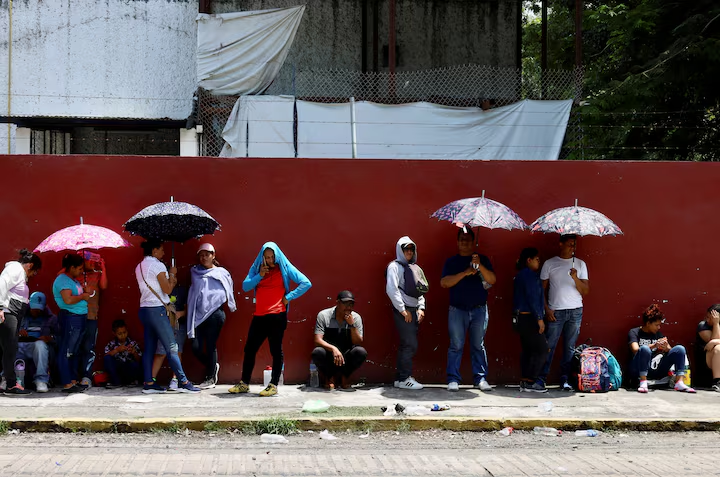
Importantly, the new rules take effect on January 1, 2026. Millions of travelers will face restricted visa access. Moreover, individuals using Palestinian Authority–issued travel documents are fully blocked.
The White House stated that the expansion addresses “serious failures in screening and information-sharing.” Officials emphasized the need to protect the U.S. from people who cannot be properly vetted.
Fully Banned Countries
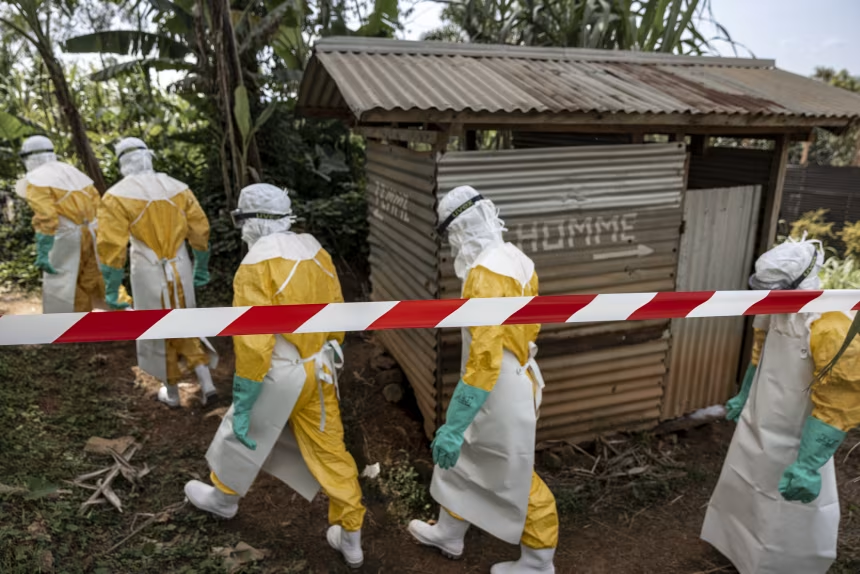
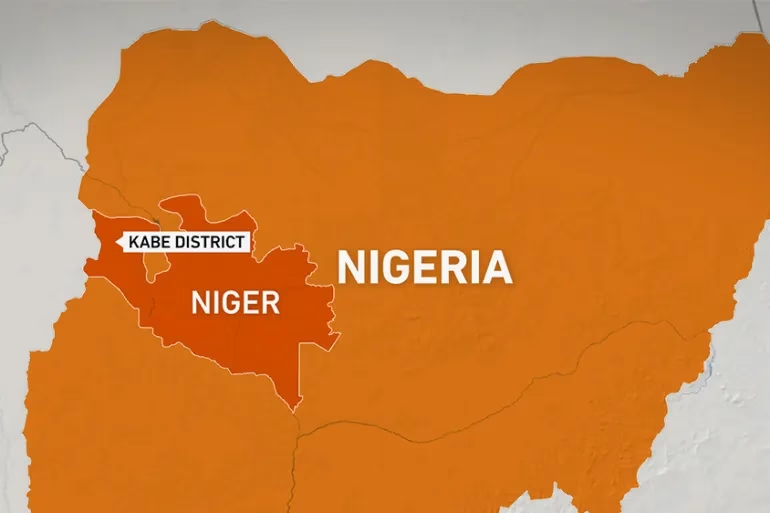
Seventeen countries now face complete travel restrictions. These include Afghanistan, Myanmar, Chad, the Republic of Congo, Equatorial Guinea, Eritrea, Haiti, Iran, Libya, Somalia, Sudan, Yemen, Burkina Faso, Mali, Niger, South Sudan, and Syria. Additionally, Palestinian Authority travel documents are fully restricted.
Partial Restrictions
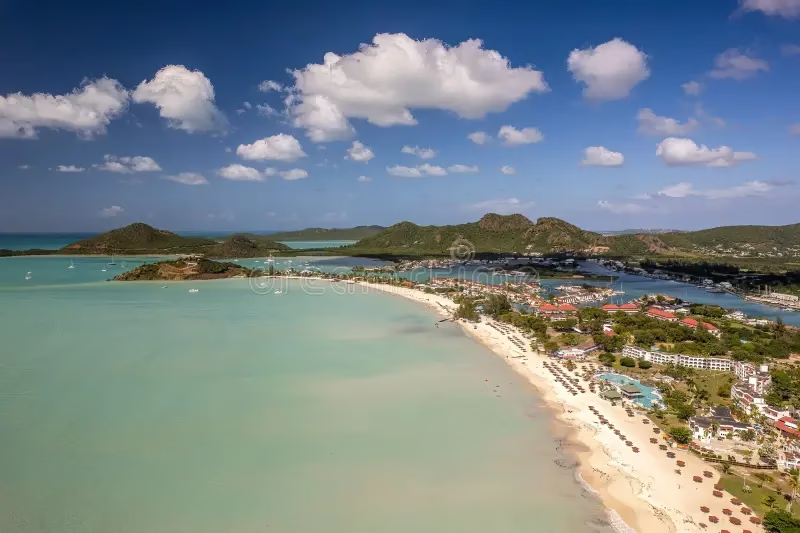
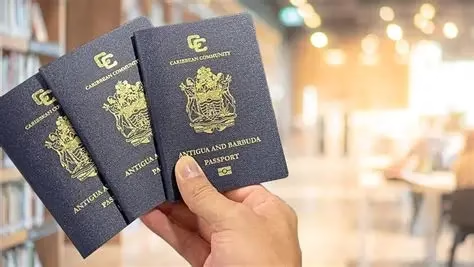
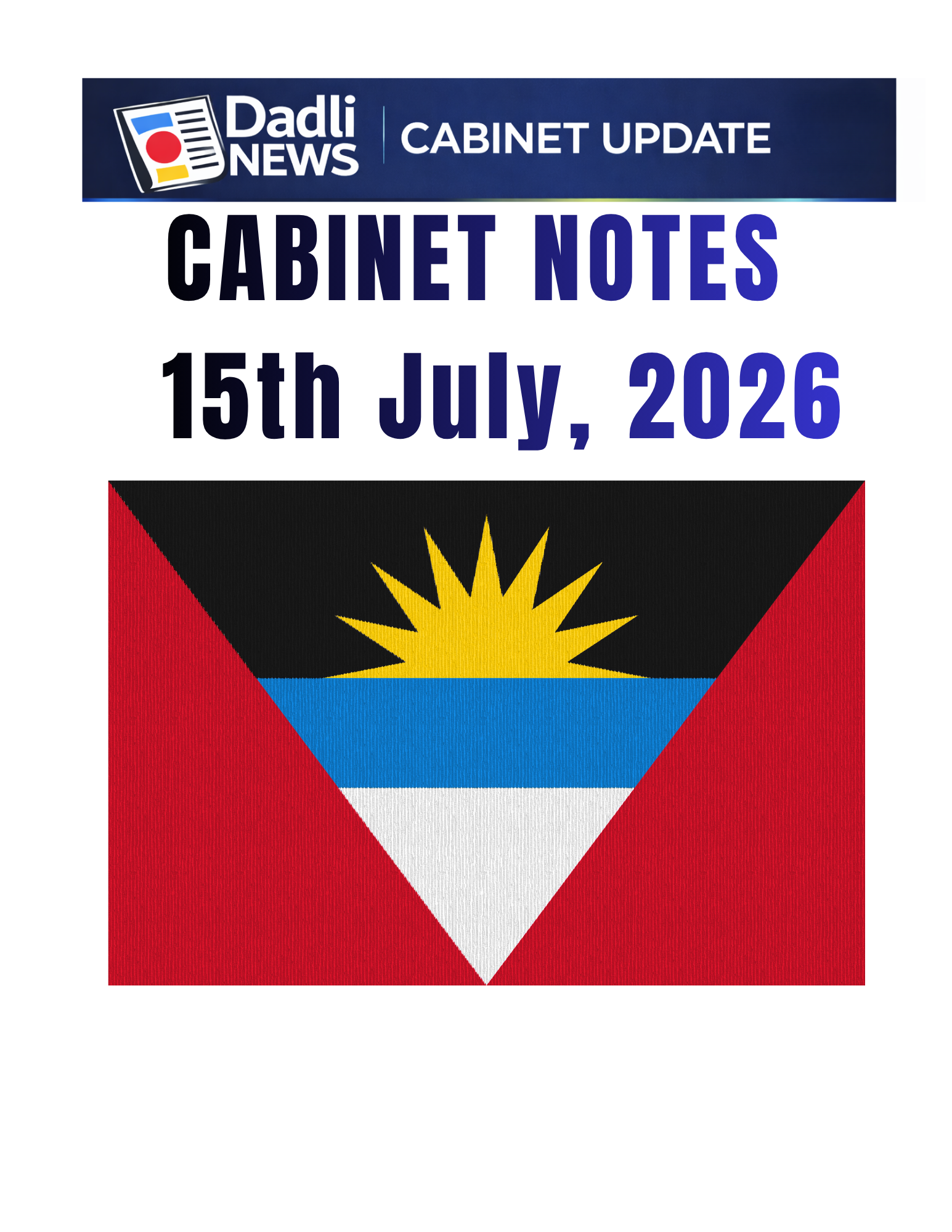
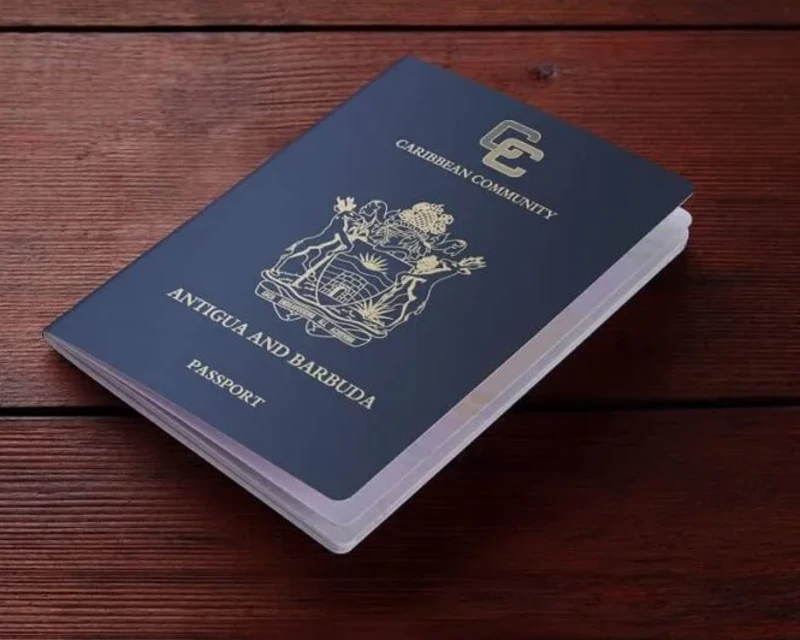
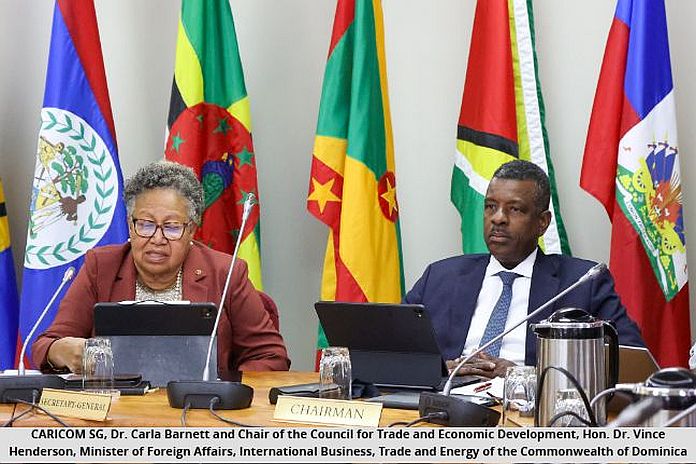
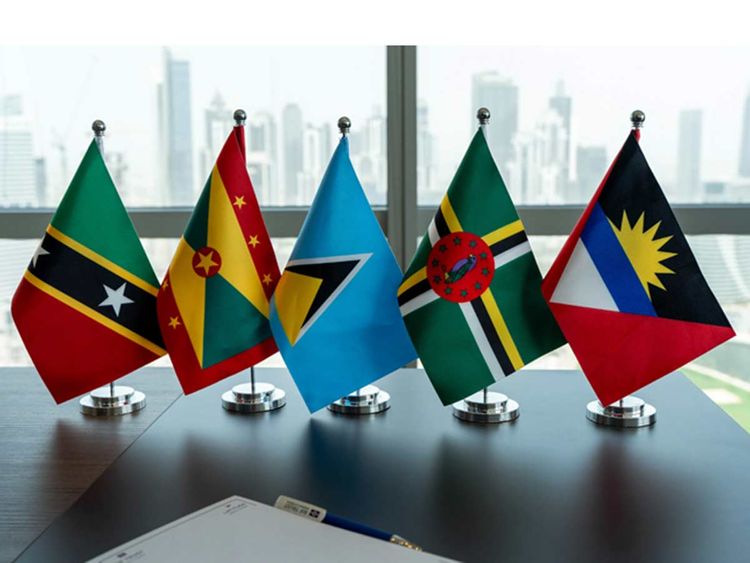
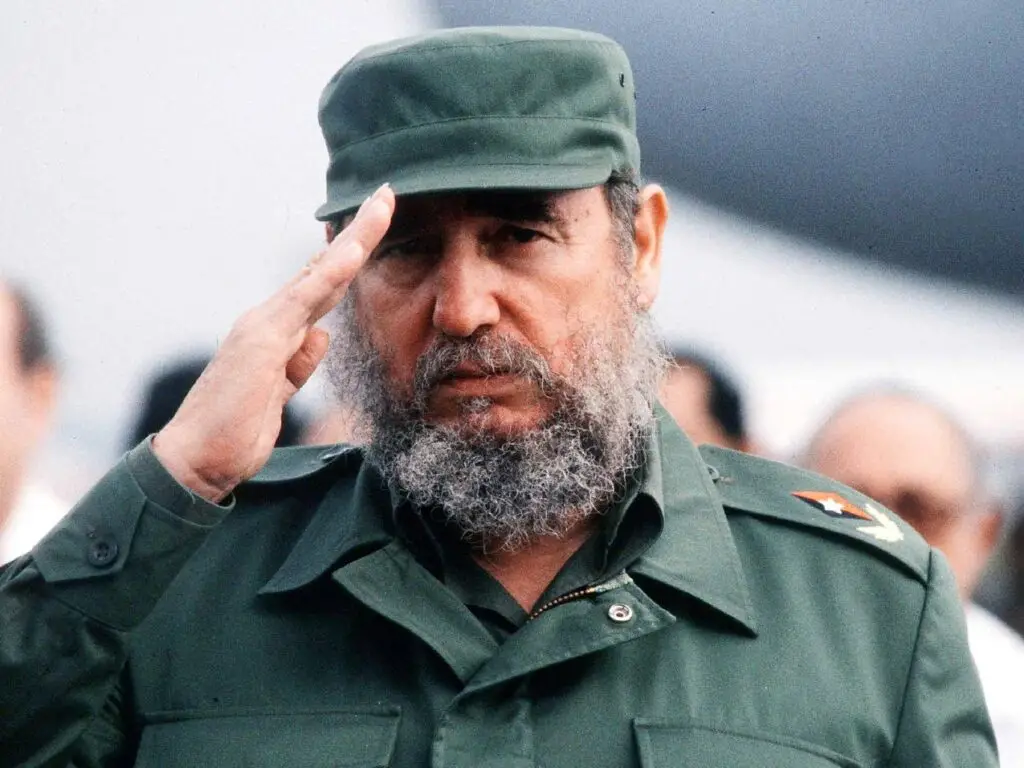
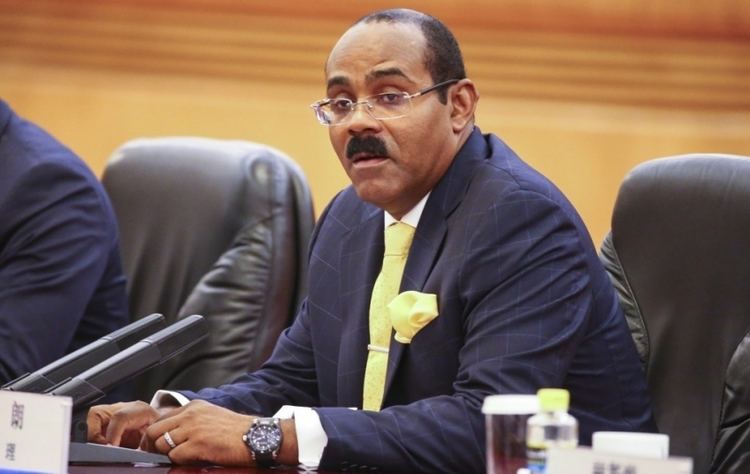
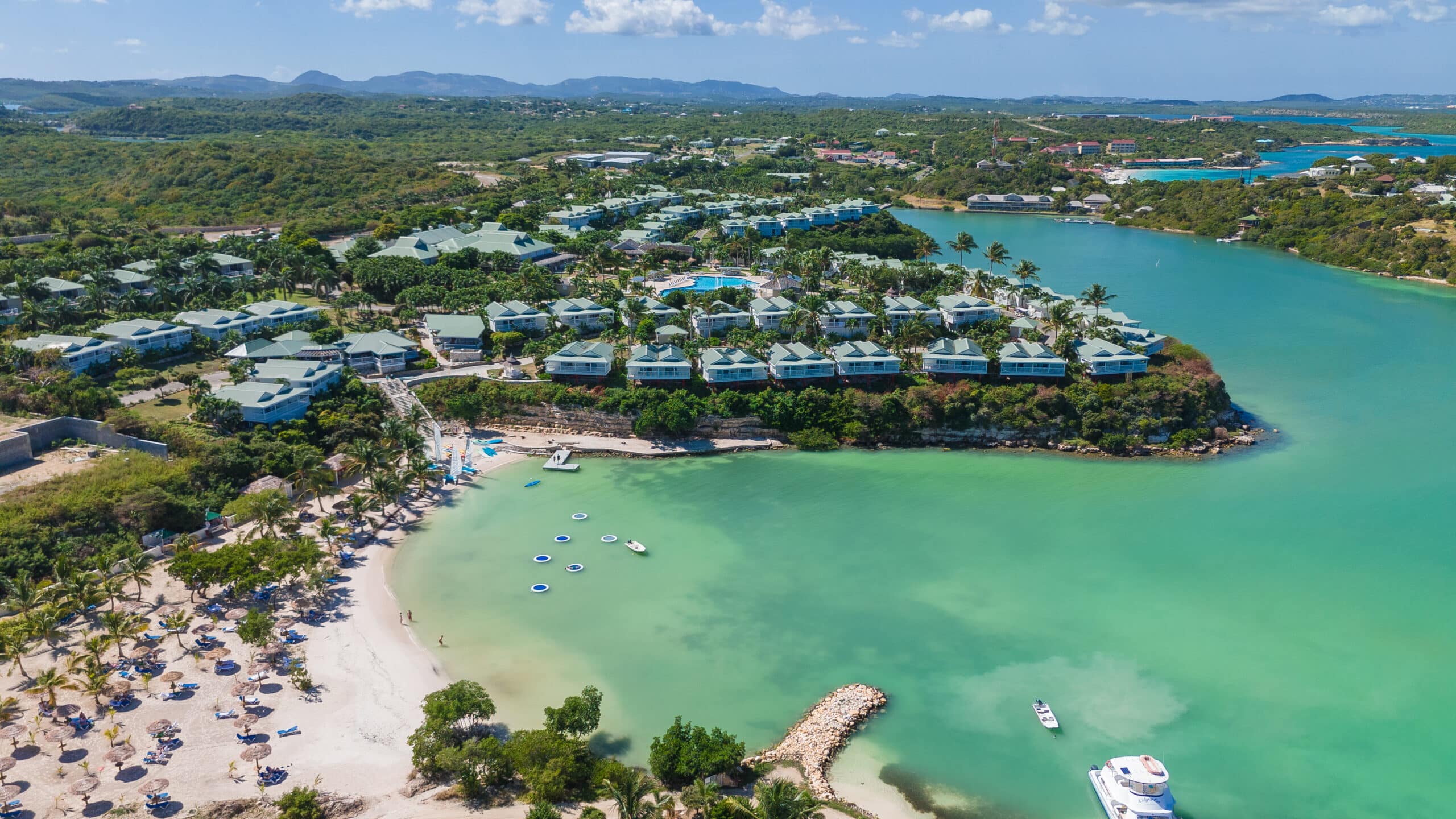
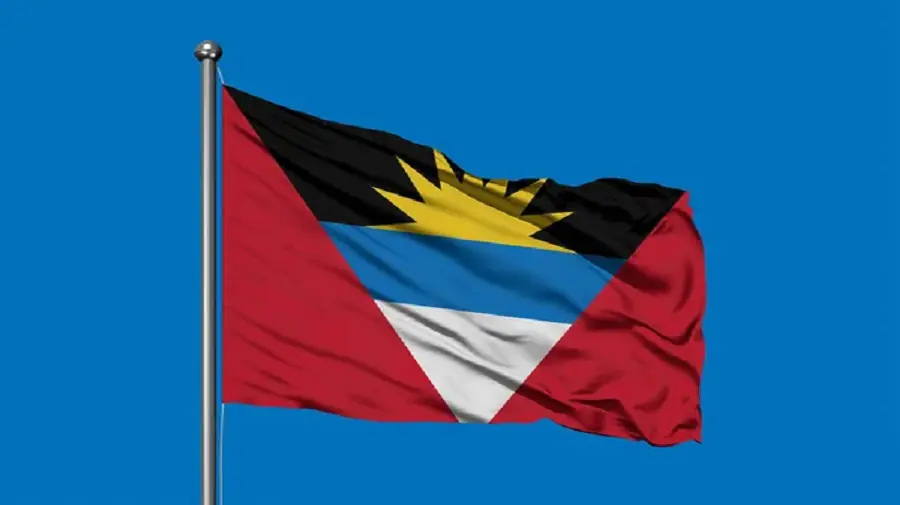
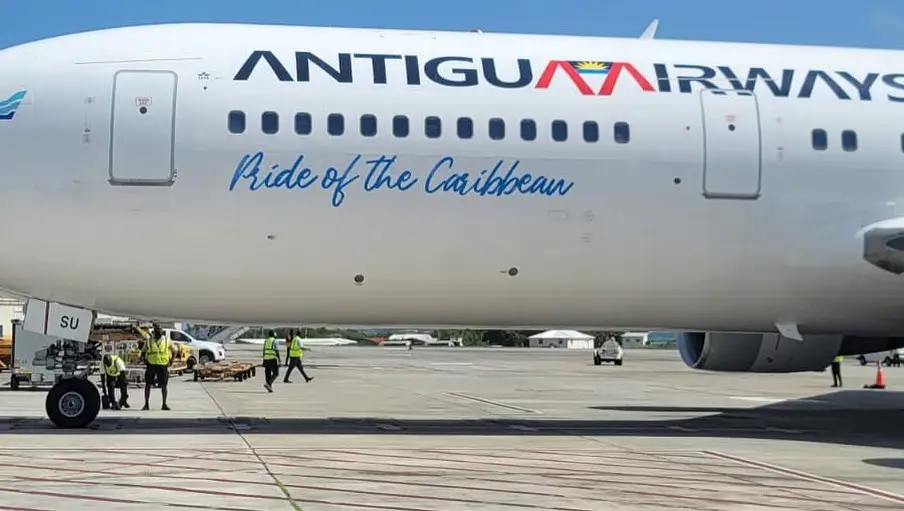
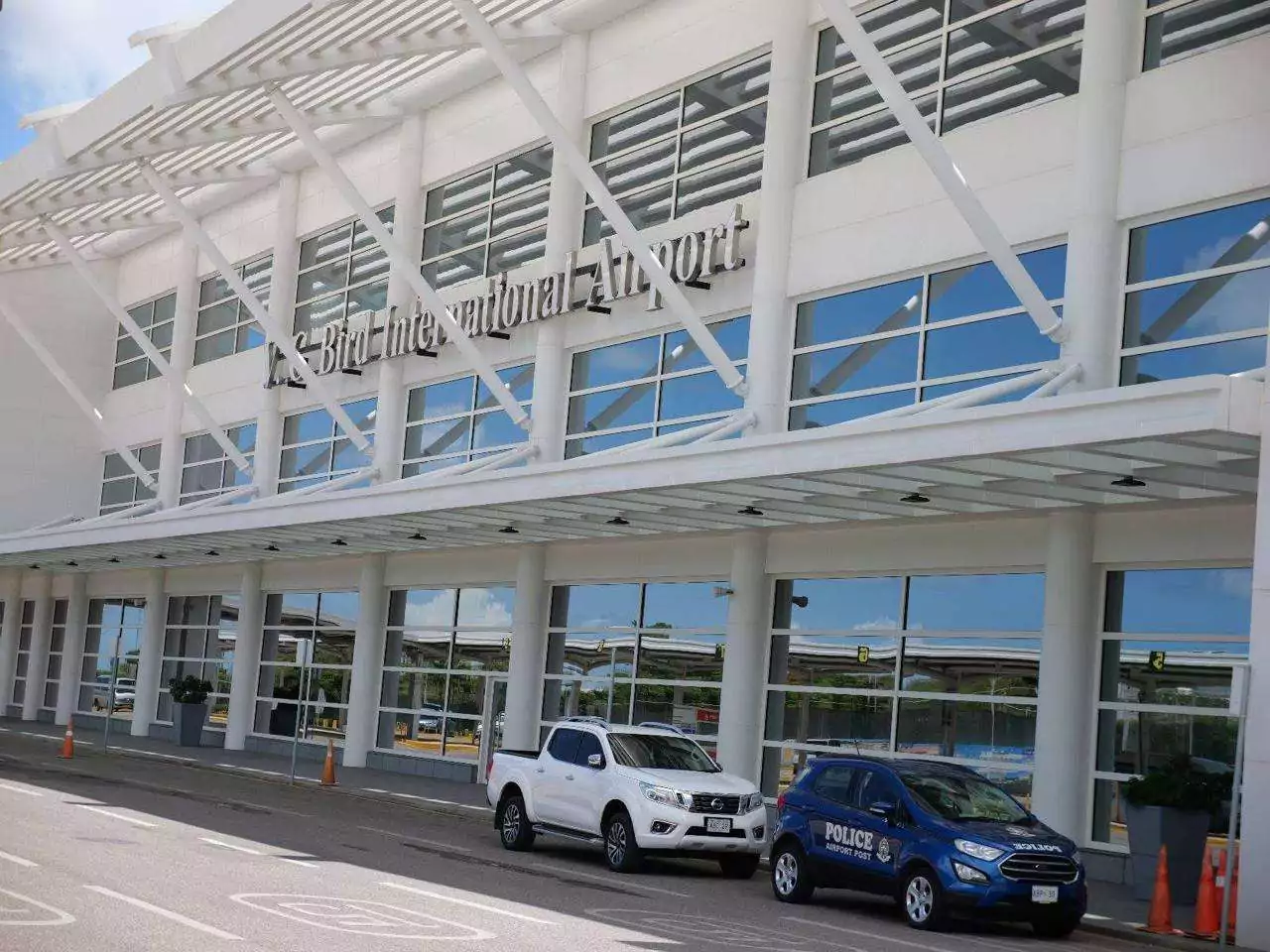
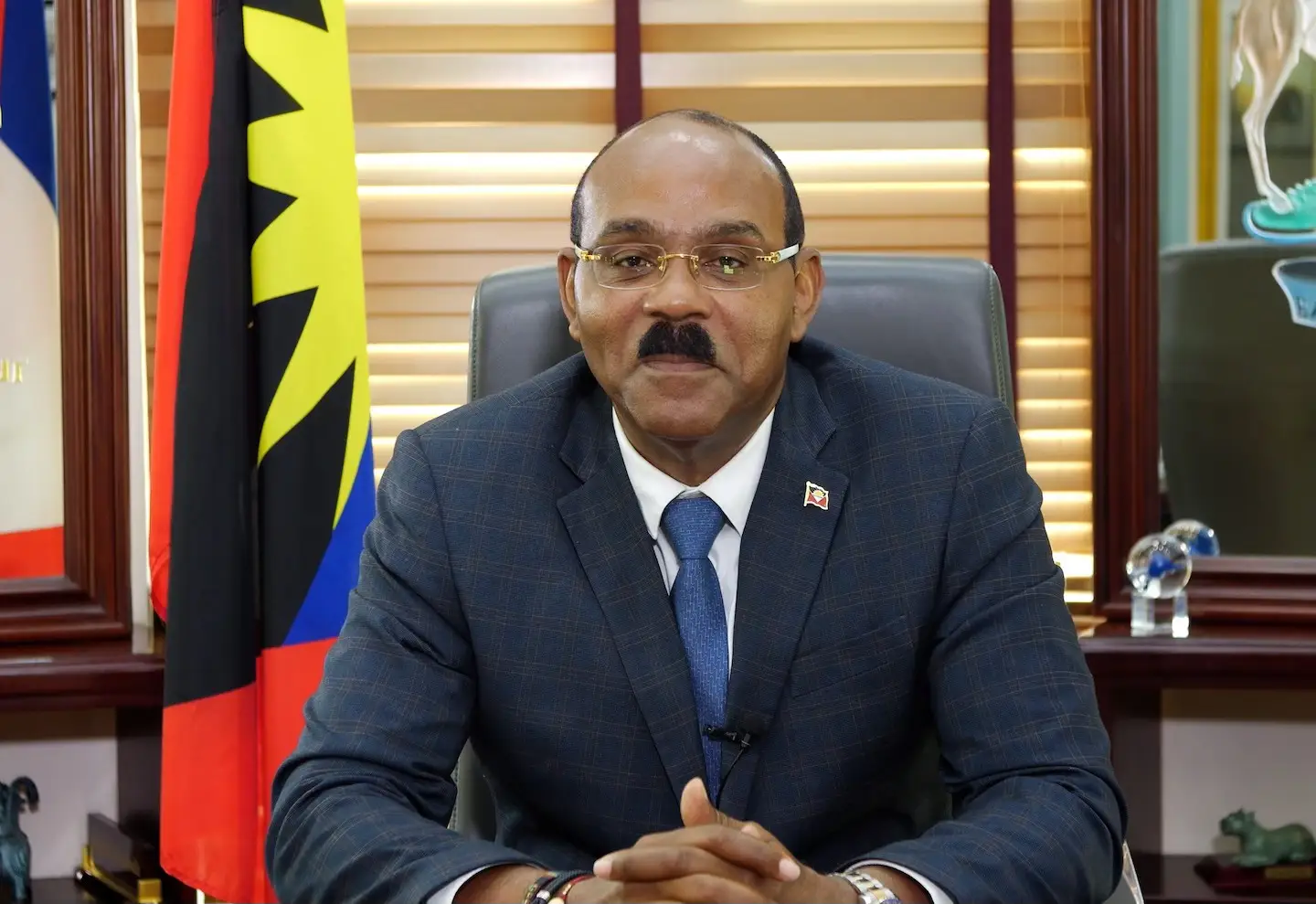
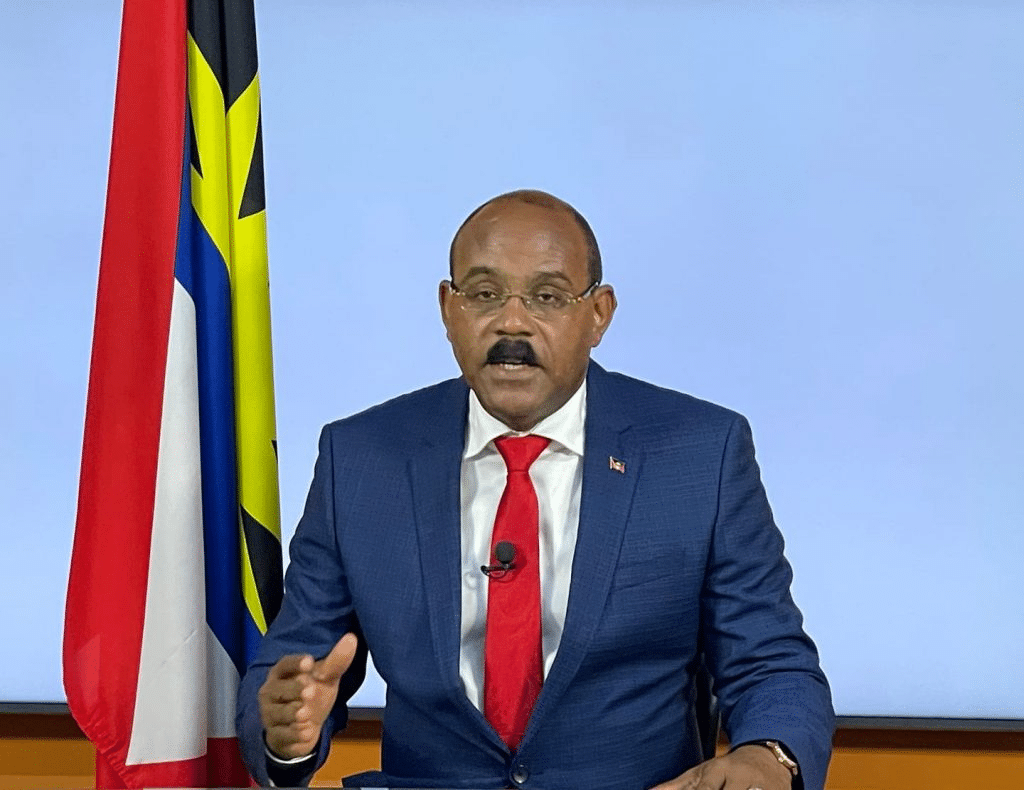
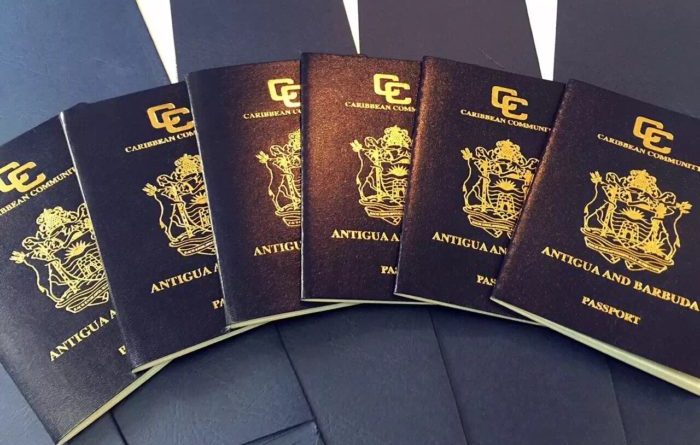
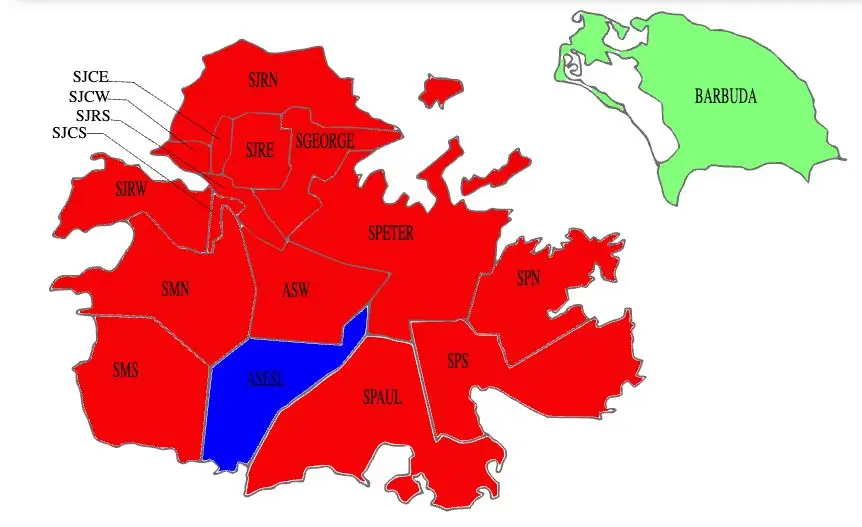
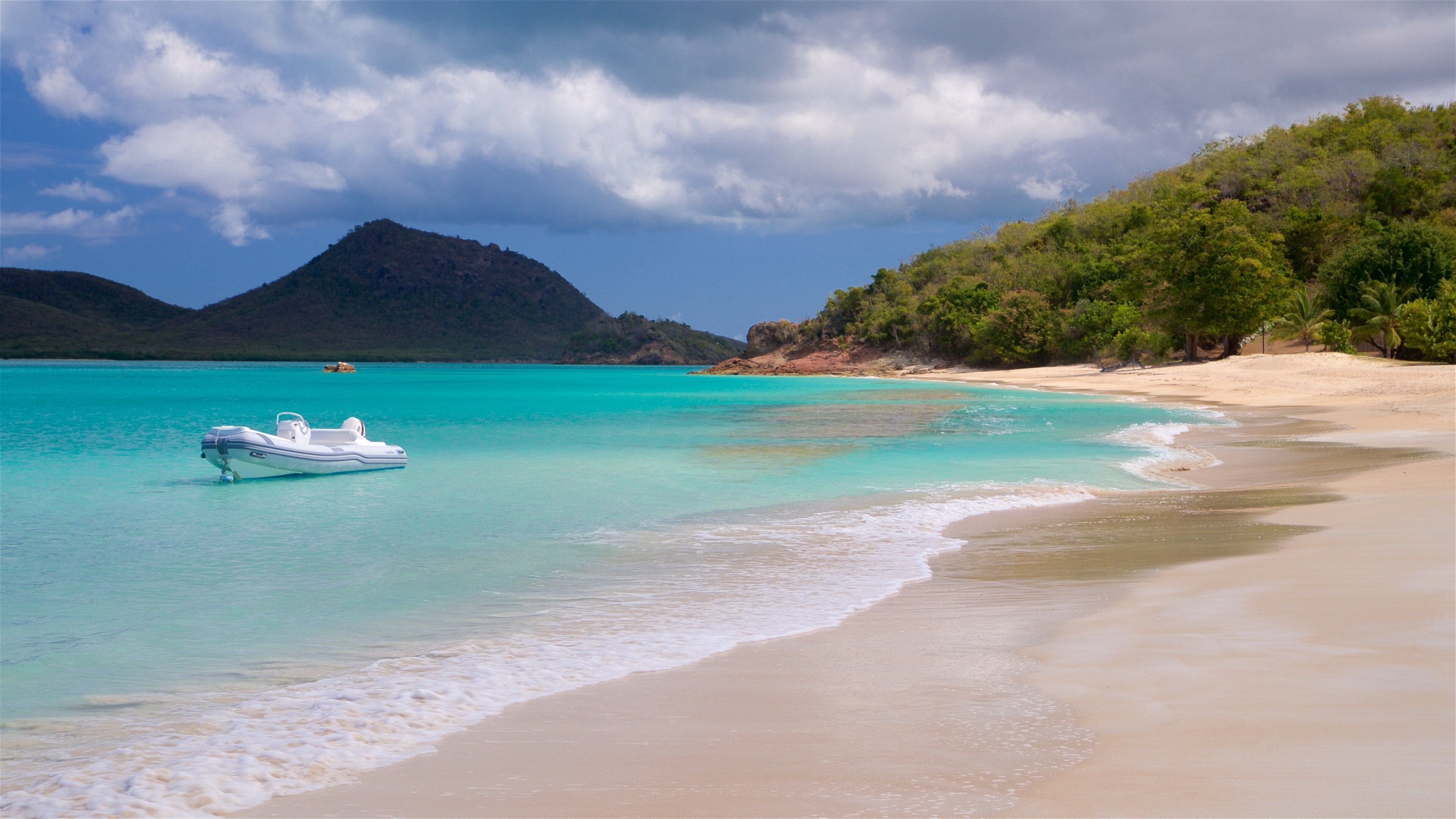
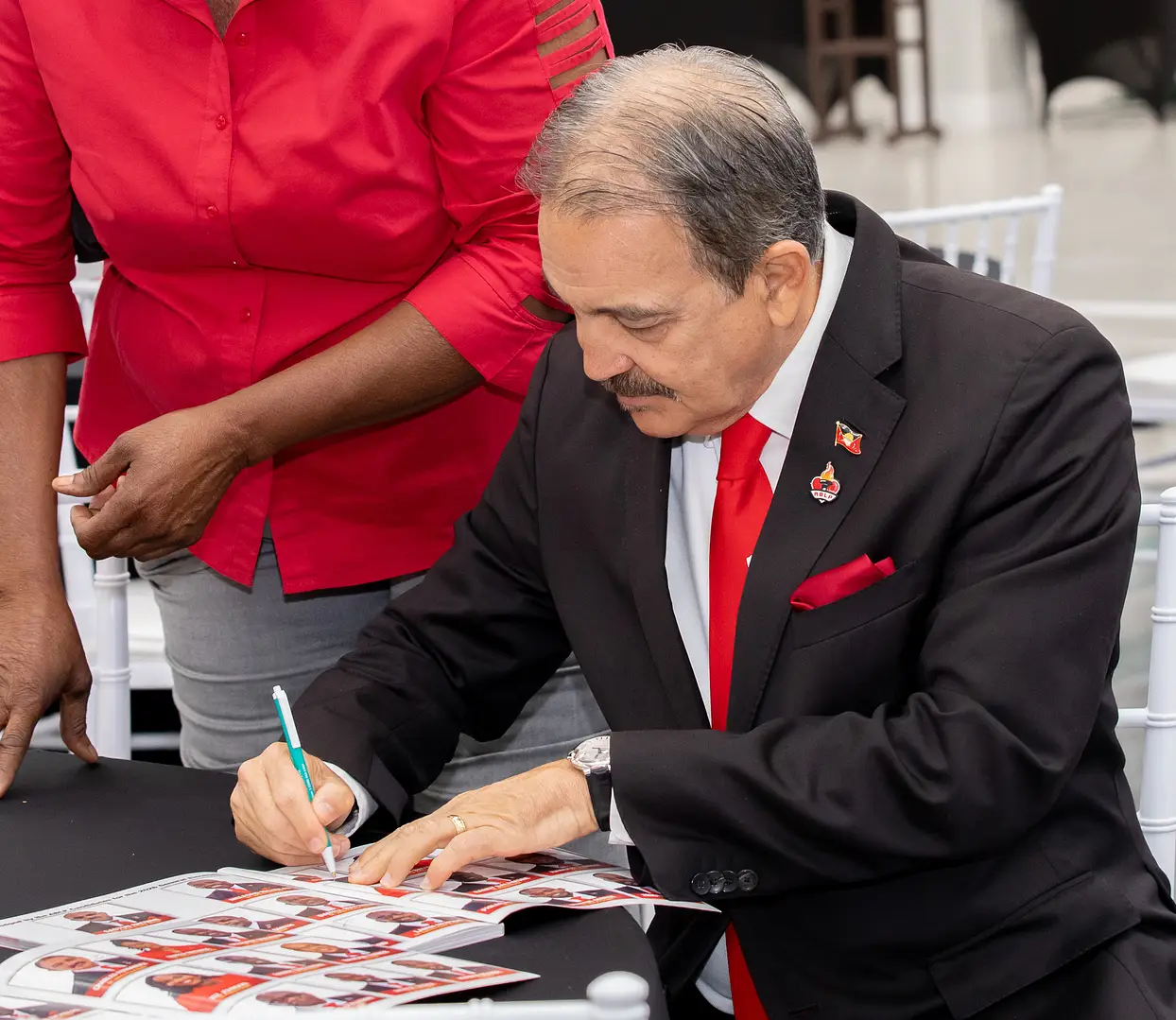
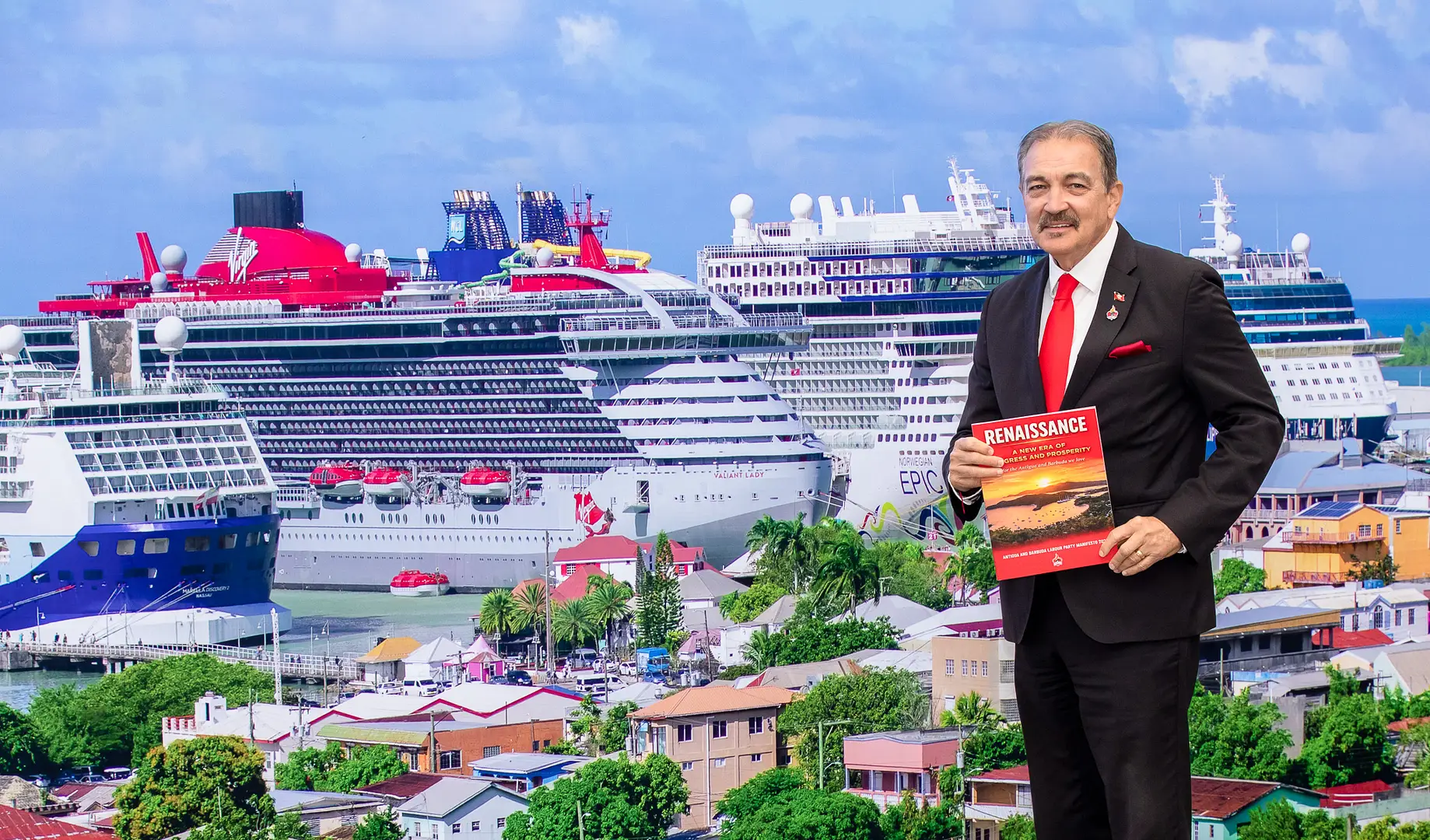
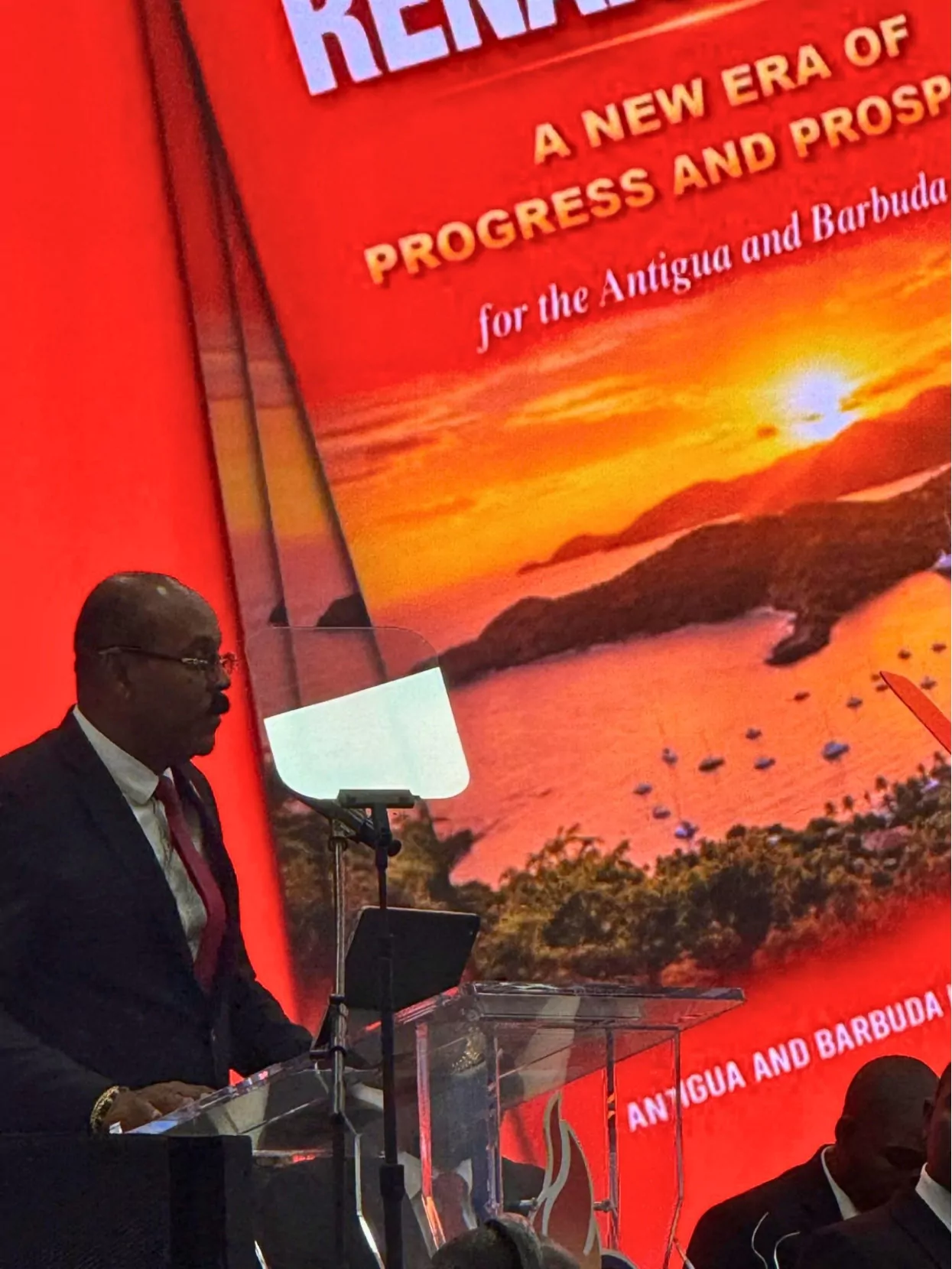
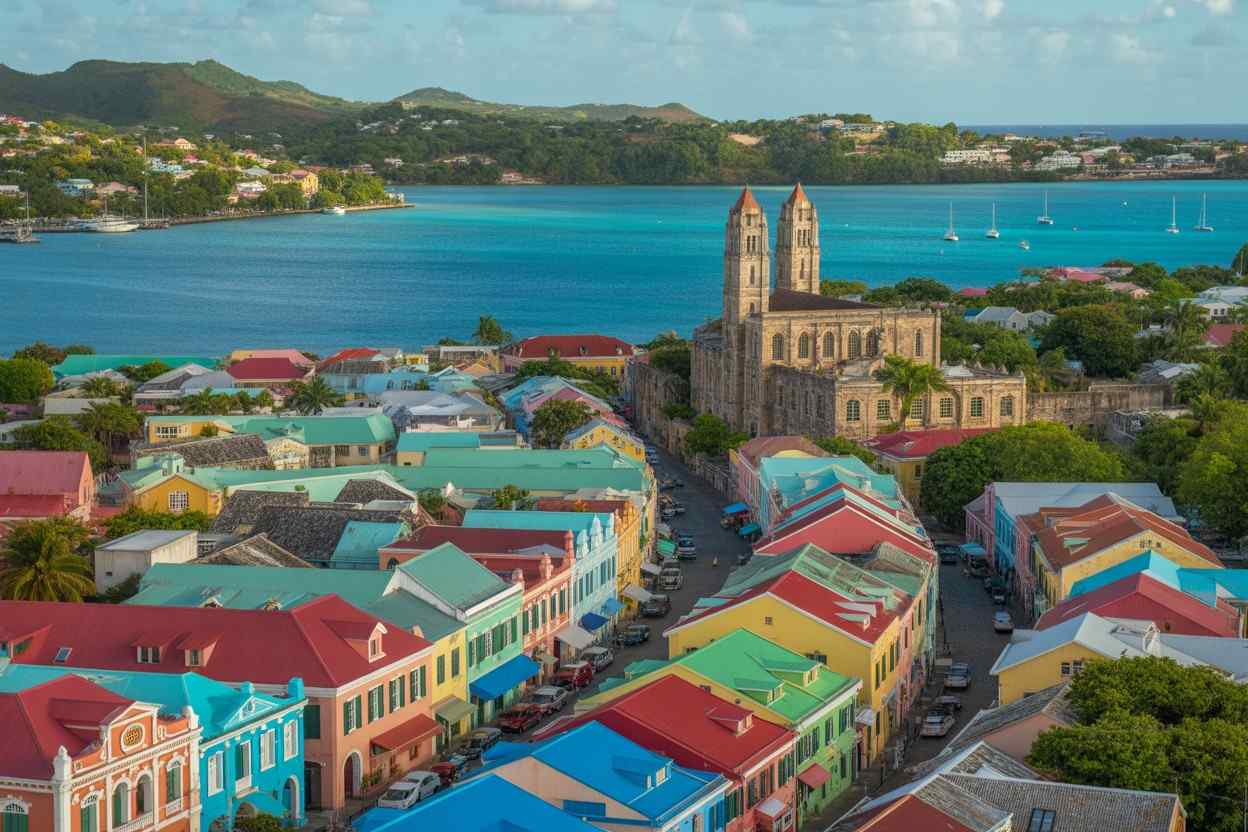
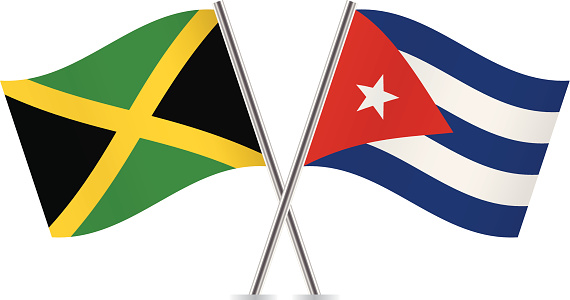
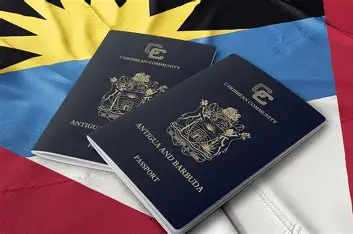
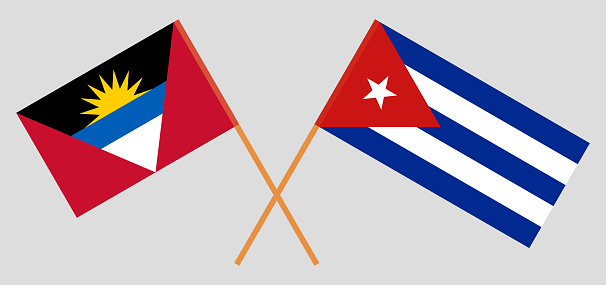
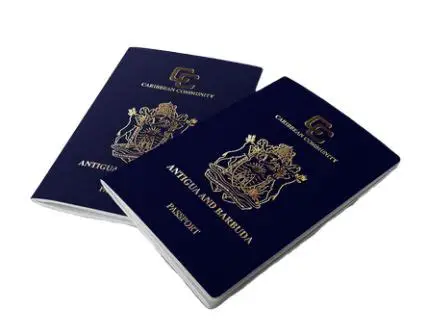
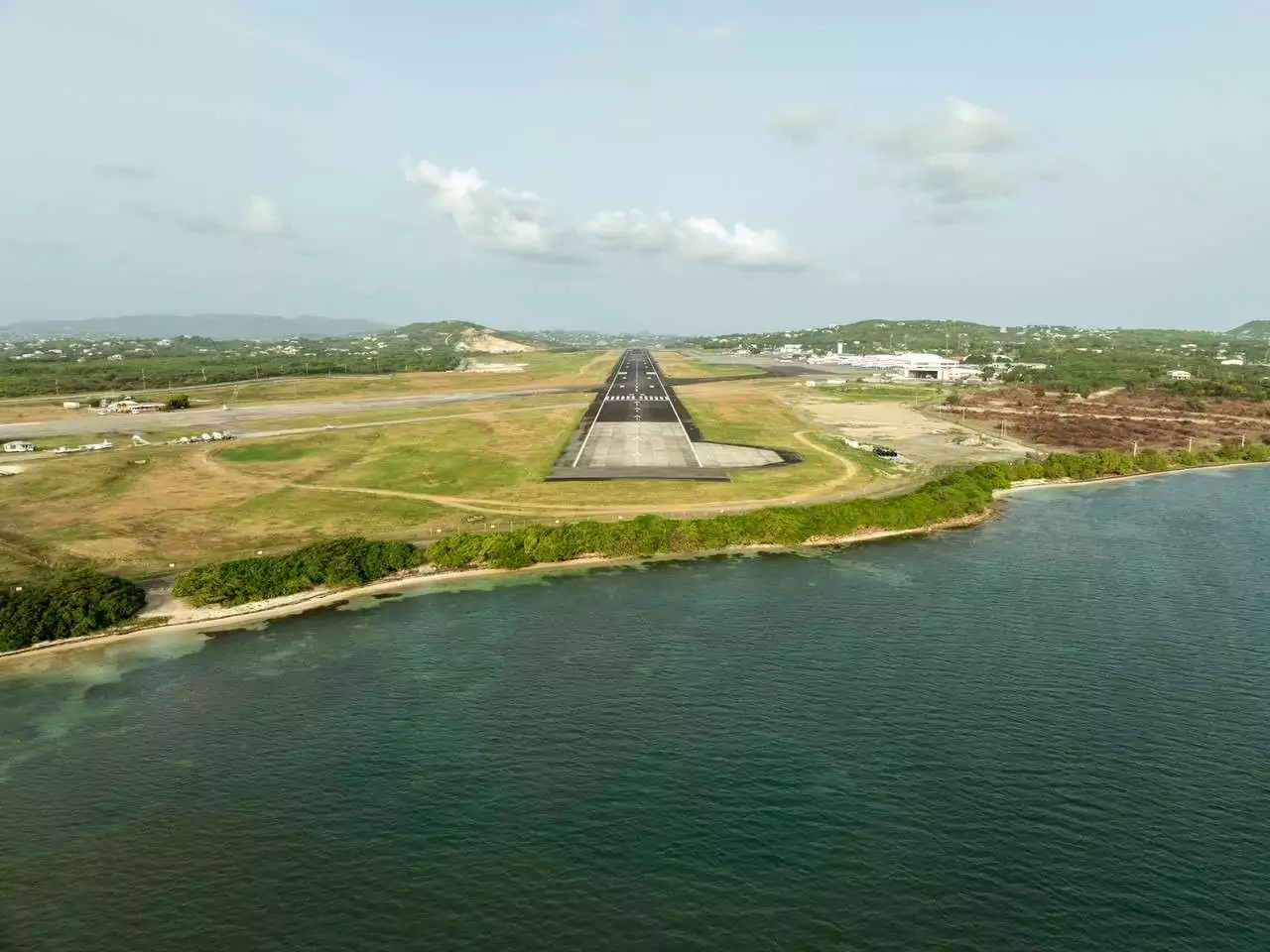
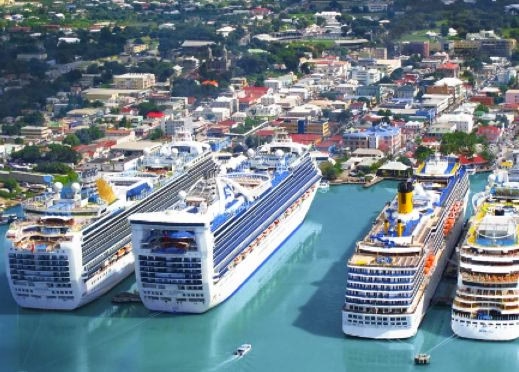
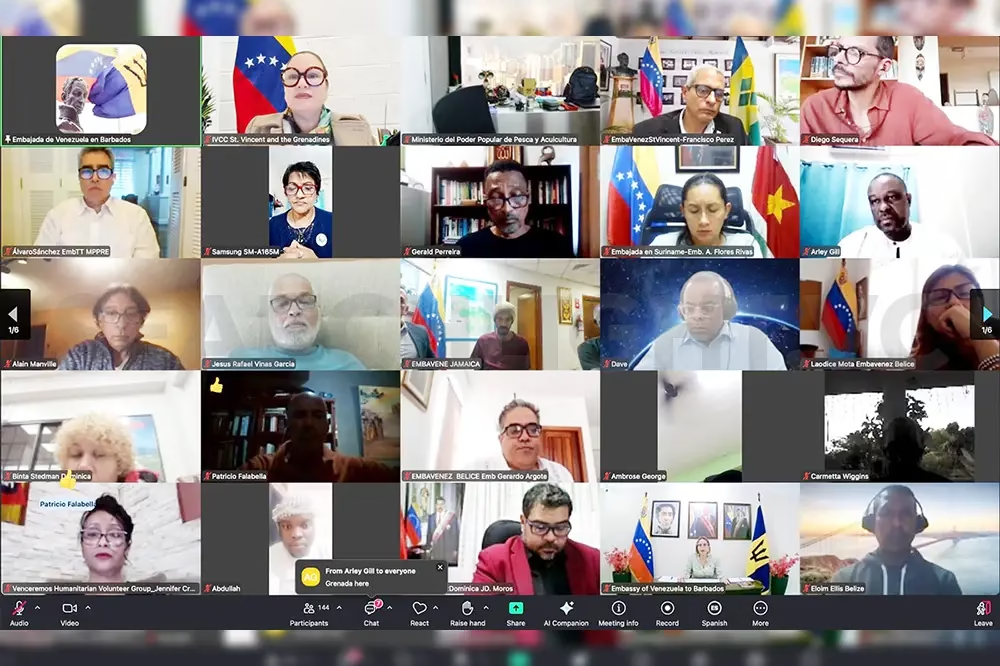
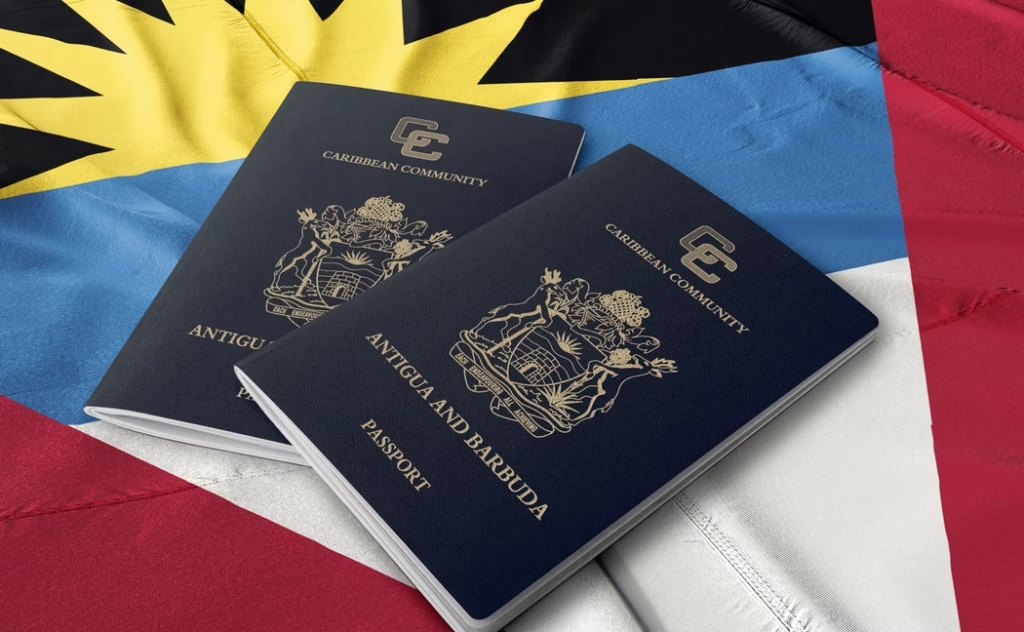
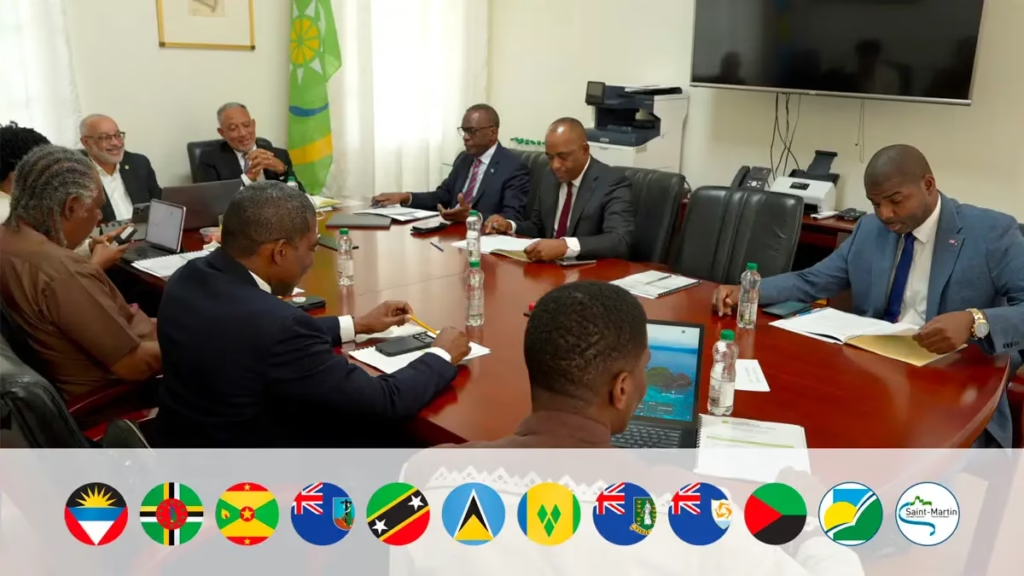
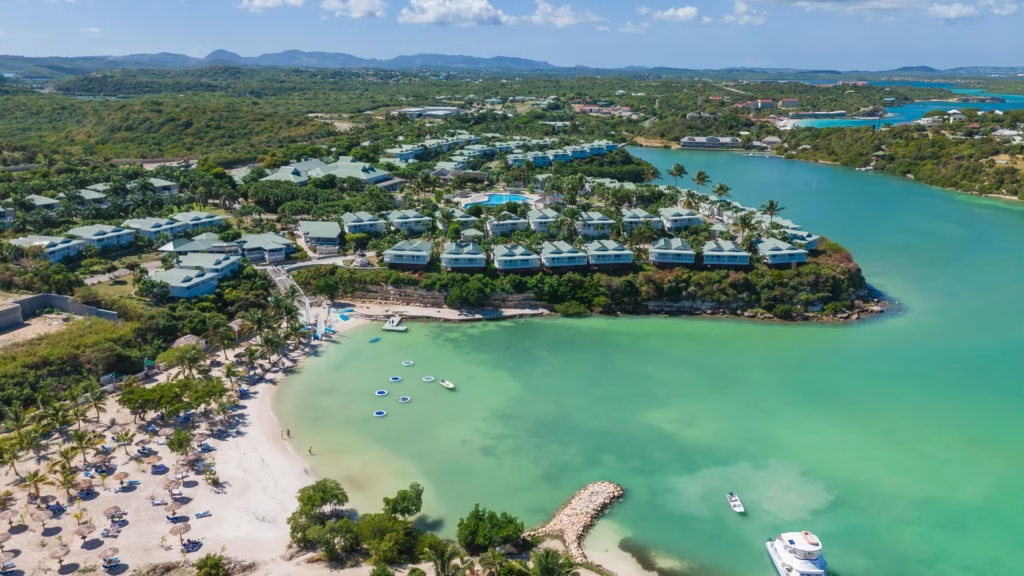
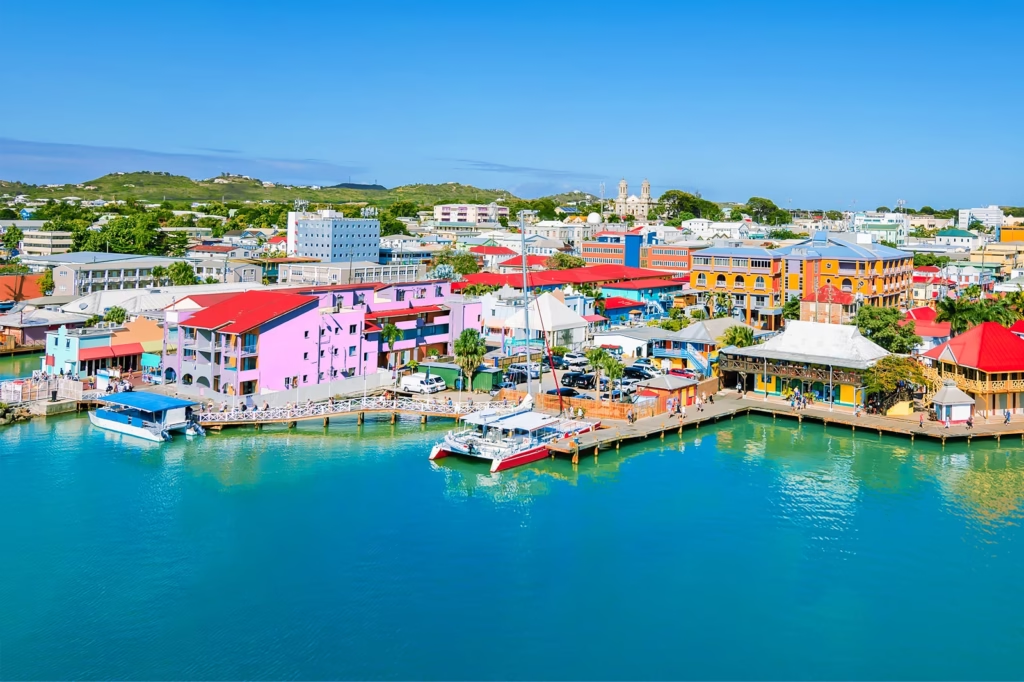
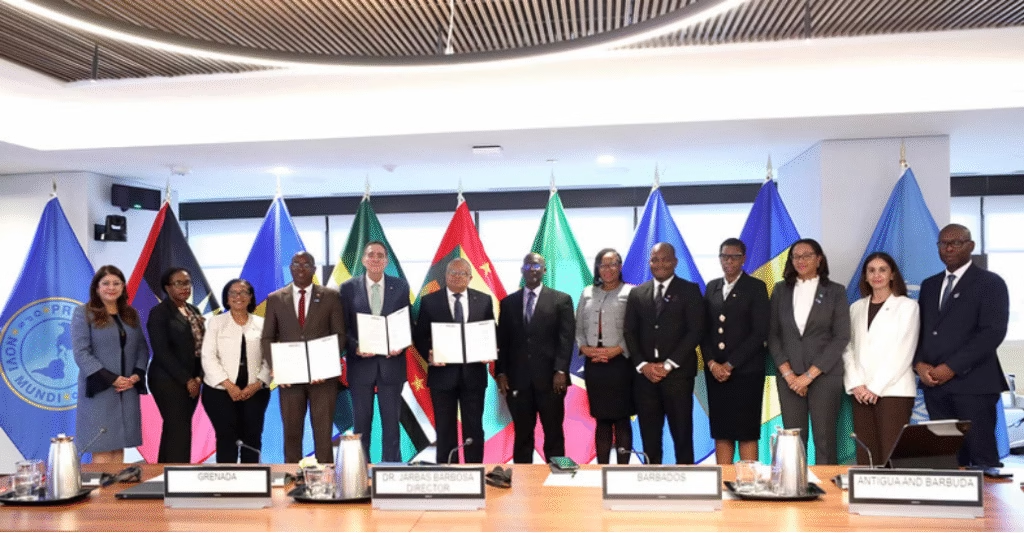
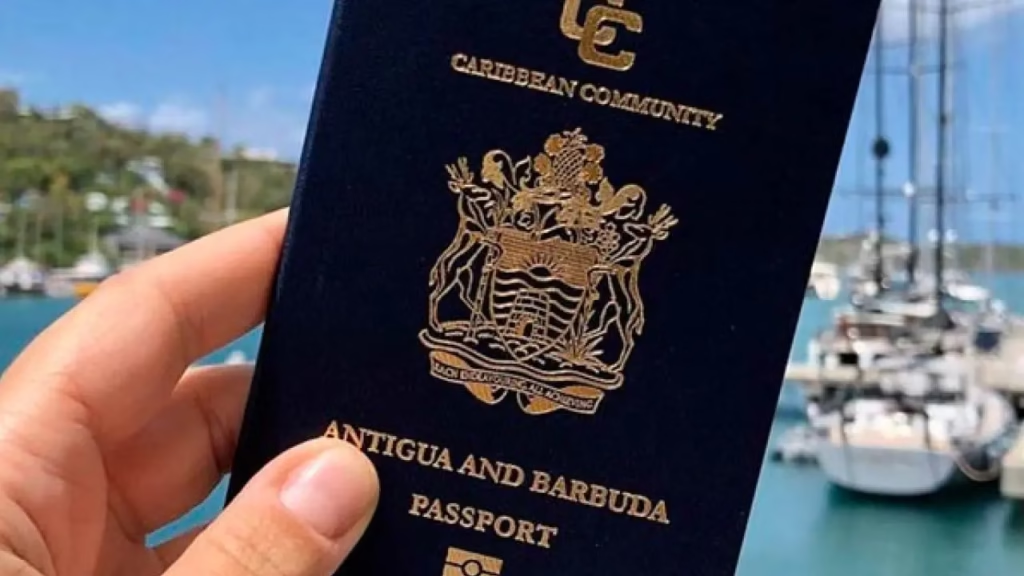
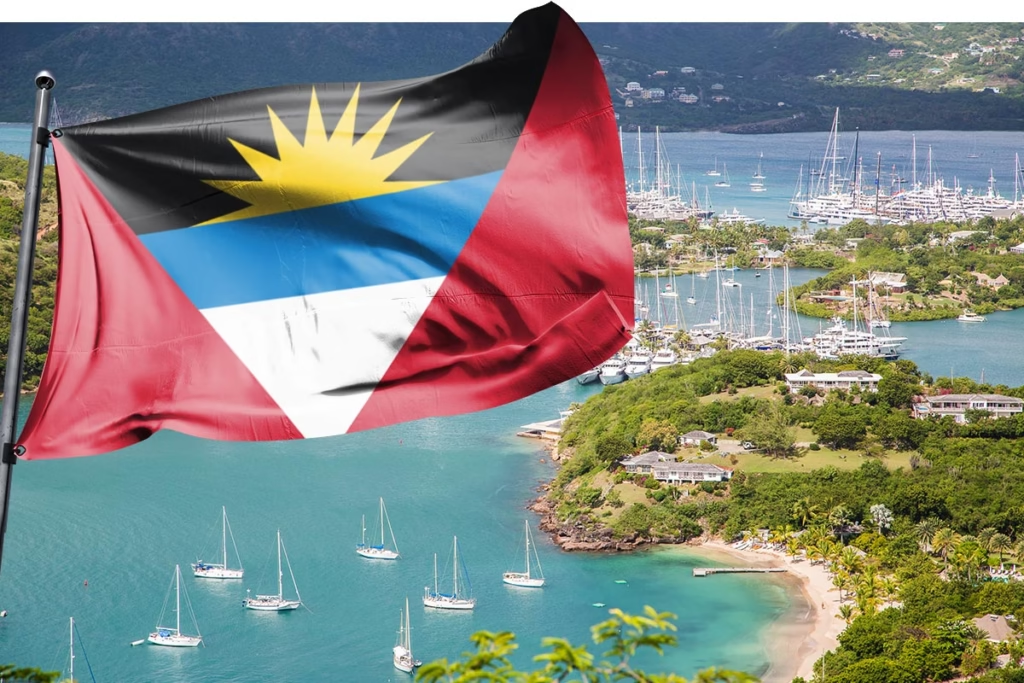
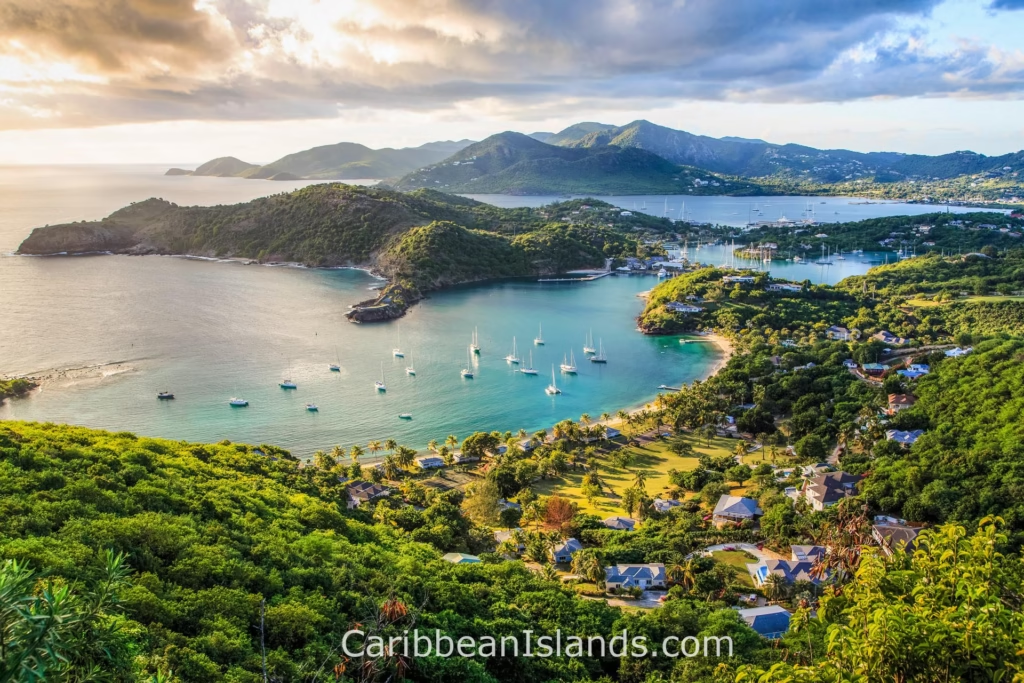
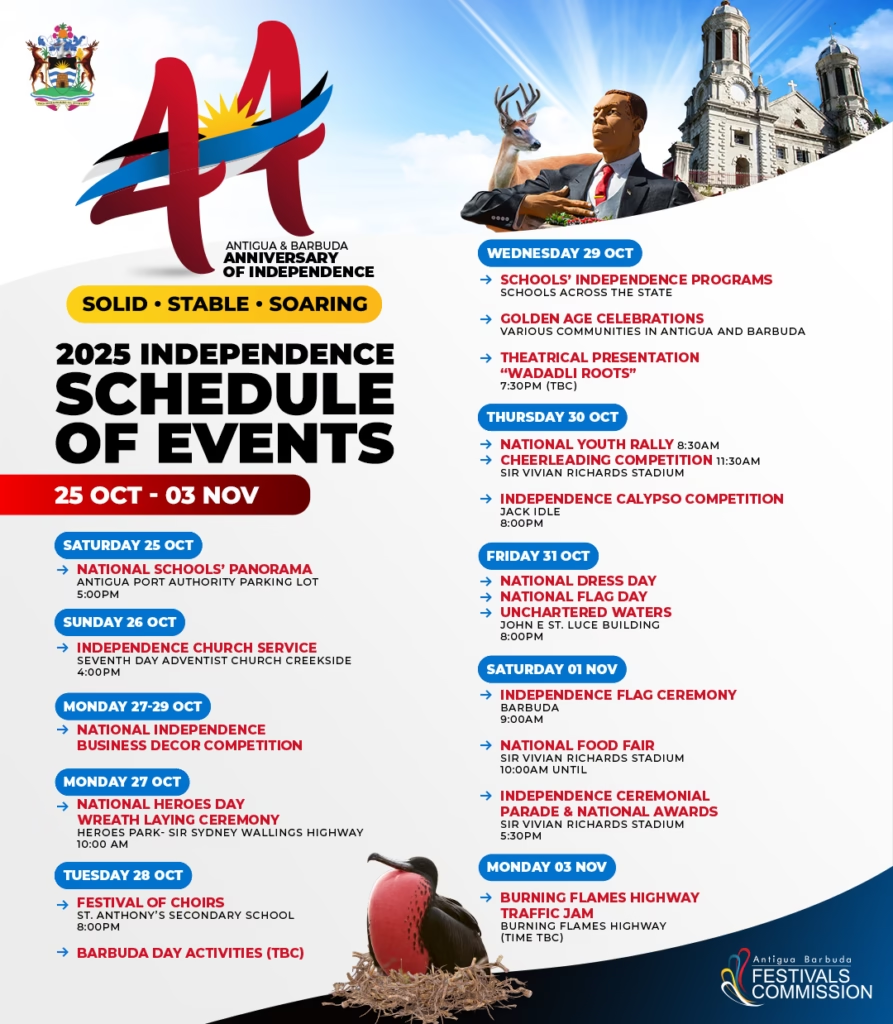
Fifteen countries were added to the partial restriction list. Travelers from Angola, Antigua and Barbuda, Benin, Côte d’Ivoire, Dominica, Gabon, The Gambia, Malawi, Mauritania, Nigeria, Senegal, Tanzania, Tonga, Zambia, and Zimbabwe face limited visa access. Existing partially restricted countries such as Burundi, Cuba, Togo, Turkmenistan, and Venezuela remain under partial bans.
Under partial restrictions, some nonimmigrant visas may still be issued. However, consular officers have been instructed to sharply limit their validity.
Changes From June 2025 Ban
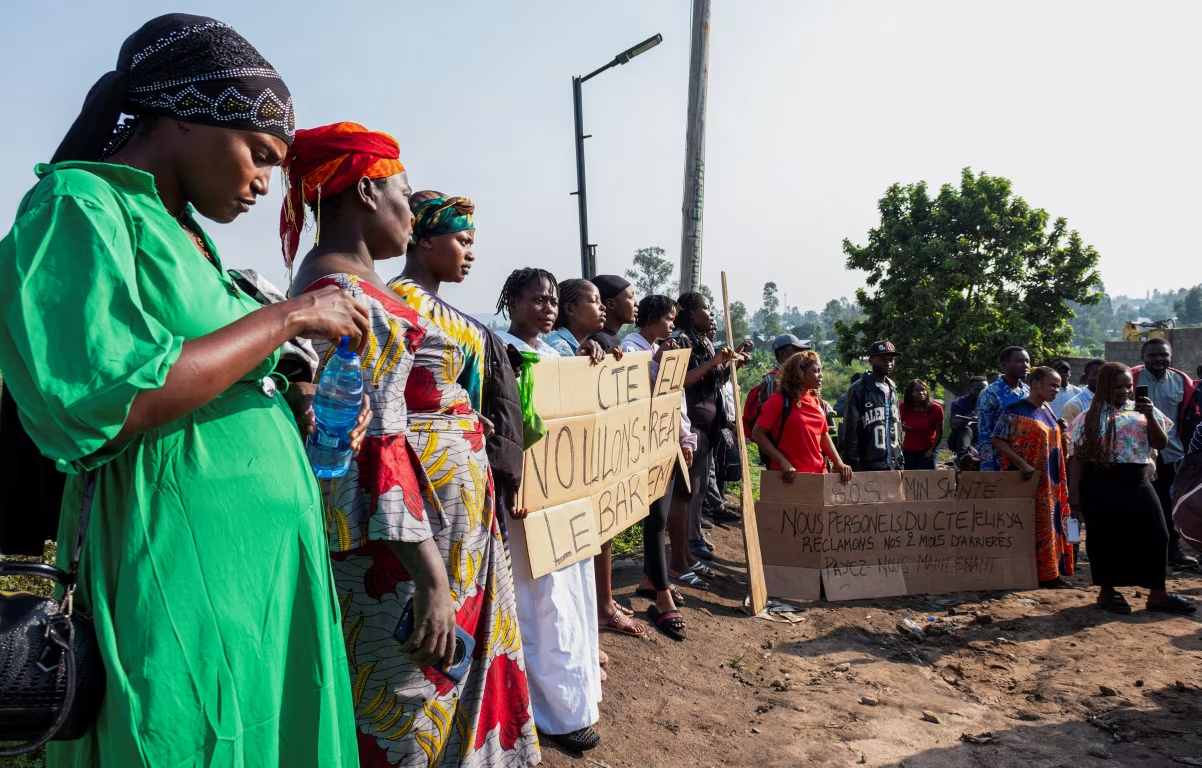
This is the largest expansion since 2017. Countries that previously faced partial limits, including Laos and Sierra Leone, are now fully banned. The list now emphasizes African nations, reflecting U.S. concerns over identity documents, overstay rates, and repatriation cooperation.
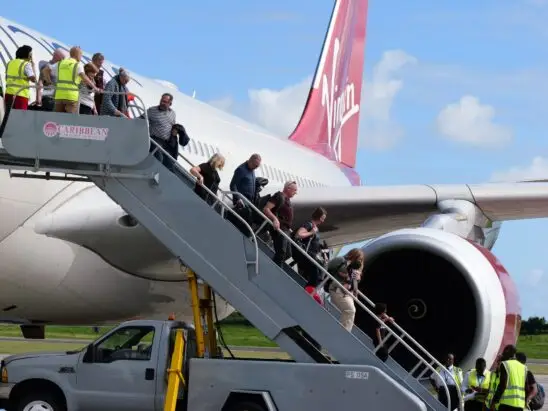
Overall, the new proclamation affects travel for millions worldwide. Families, students, and business travelers must review visa eligibility carefully. Meanwhile, U.S. officials say the rules are necessary for national security.
Travelers from newly banned or partially restricted countries should prepare for delays. They should also monitor updates from U.S. consulates and embassies as restrictions take effect.
The expanded travel ban marks a significant shift in U.S. immigration policy. It impacts global mobility, international tourism, and economic ties with affected nations.
Join the Dadli News WhatsApp Group: https://chat.whatsapp.com/L04JxtMbG39FLBbxYWlz9T
Join the Dadli News WhatsApp Channel: https://whatsapp.com/channel/0029VbBcJ3gKLaHkB4lQXM1m